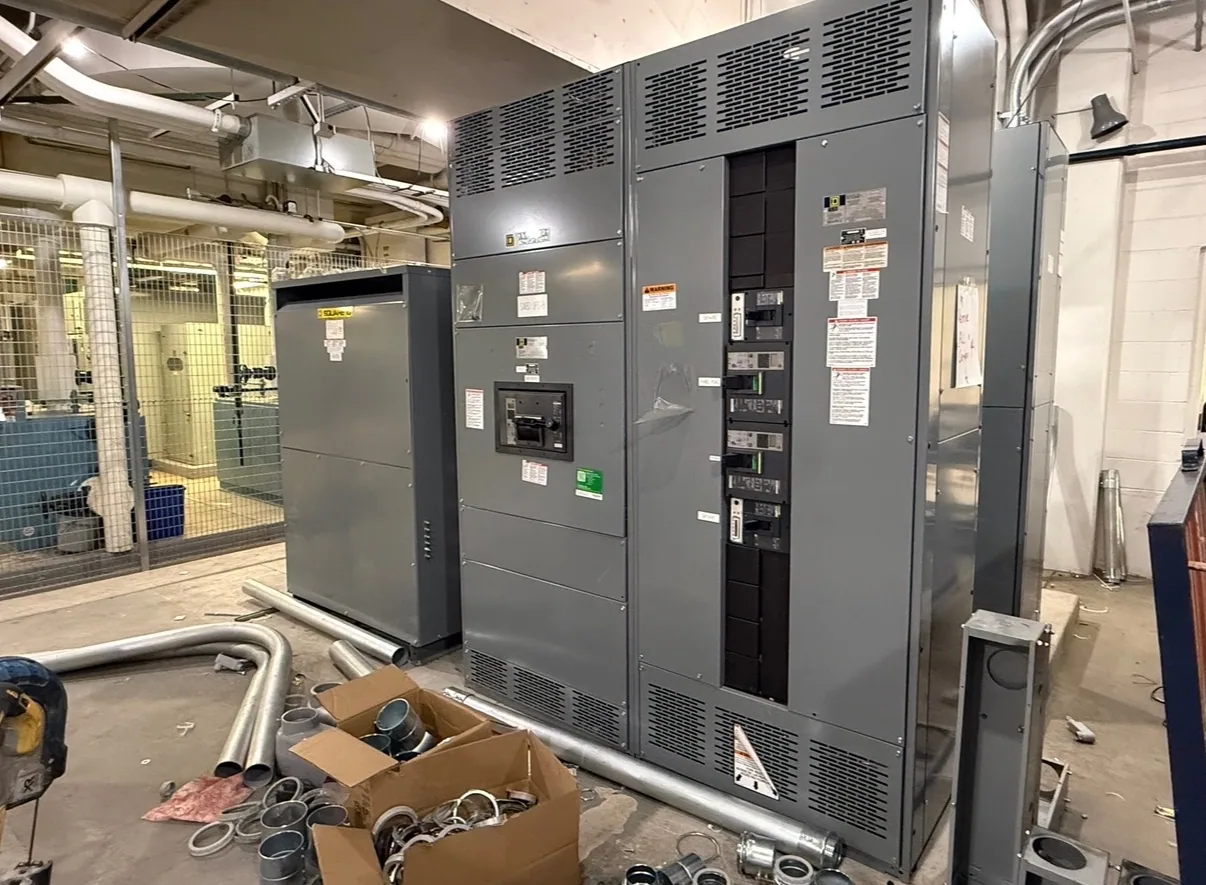
Start with the panelboard’s actual installation
Environmental conditions belong in a panelboard specification because they help determine whether the proposed enclosure, components, and installation arrangement fit the location. A branch-circuit power distribution panelboard distributes power to downstream circuits; it is a distinct equipment category from switchgear. Specify the panelboard’s function and location rather than relying on a general description such as “indoor” or assuming that a regional climate defines conditions at the equipment.
Describe the exact room, building zone, or outdoor position and what happens there during normal operation and foreseeable shutdowns. A dry electrical room, a washdown area, and an unconditioned space may be in the same facility but present different design questions. The project engineer should evaluate the actual conditions and applicable requirements. A general guide cannot establish a suitable rating or confirm that a particular panelboard is appropriate.
Temperature, humidity, and condensation
Provide expected ambient temperature ranges at the planned equipment location, including seasonal extremes and temperature changes when heating, cooling, or ventilation is unavailable. Identify heat sources nearby and whether the panelboard will share a room with process equipment. Actual values are project inputs, not assumptions to infer from the city or building type. The responsible engineer and manufacturer can review them against the specific equipment design and its stated operating conditions.
Humidity information should distinguish ordinary moisture in the air from condensation, dripping, or recurring wetting. Note whether the space is climate controlled, whether temperatures can cross the dew point, and whether doors or ventilation bring humid air into a cooler room. Do not treat an enclosure label or a room’s nominal use as proof that moisture exposure is addressed. Confirm the applicable enclosure and installation requirements for the specified assembly.
Salt, chemicals, and water exposure
Where salt-laden air, cleaning chemicals, corrosive vapors, or process residues may reach the panelboard, describe the source, frequency, and likely path of exposure. Coastal proximity alone does not define the conditions at the equipment; an indoor location may still be exposed through ventilation or open doors. Likewise, a food and beverage facility can include both relatively dry electrical spaces and areas subject to cleaning or process-related moisture. The facility type is context, not a substitute for site data.
State whether water exposure could involve splashing, spray, washdown, leaks, flooding, or only routine housekeeping, and identify which of those conditions can occur at the proposed mounting position. Include the expected cleaning method and any restrictions on placing equipment near a process. The engineer should determine whether the proposed location, enclosure, and any protective measures are suitable. Do not assume that a standard panelboard is appropriate for direct water exposure or corrosive conditions.
Altitude, room layout, and working access
Document the site altitude when it may affect the equipment design or its specified performance. Do not infer an adjustment or rating from altitude alone; have the responsible engineer verify whether the actual design needs review. Also provide room dimensions, ceiling height, door and corridor clearances, mounting surface details, and the planned routes for bringing equipment into position. These practical constraints can affect panelboard selection, configuration, and installation planning.
Show where workers will stand and how the panelboard doors, covers, and any removable parts are intended to be accessed. Identify nearby walls, piping, ducts, stored materials, and other equipment that could obstruct access or affect heat and moisture conditions. The project team should verify required working clearances and access arrangements under applicable rules. Installation, inspection, and maintenance should be planned for qualified personnel following the project’s safety procedures; never plan work on energized equipment.
Connect site conditions to the electrical design
Environmental data is only one part of the panelboard specification. The project team also needs the system voltage and configuration, intended branch-circuit count, load information, protective-device requirements, and available fault-current data. These inputs inform equipment selection and fault-rating review; they should not be inferred from the building’s size or use. The engineer must coordinate the electrical design with the site conditions and confirm the ratings and configuration for the actual assembly.
For example, imagine a food and beverage project where the panelboard location is not yet settled and cleaning practices are still being documented. The temperature, humidity, water exposure, and chemical conditions are unknown—not assumed to be acceptable or unacceptable. The project engineer would gather site information, evaluate candidate locations, and resolve electrical and code questions before the equipment specification is finalized. This example does not establish a design, rating, or compliance outcome.
Information to include before requesting a quote
- Equipment function, system voltage, circuit schedule, load information, and required protective devices.
- Available fault-current information and the fault-rating requirements established by the responsible engineer.
- Installation location, indoor or outdoor exposure, temperature range, humidity, condensation, and any water or cleaning exposure.
- Potential salt, chemical, or process contamination; site altitude; room dimensions; mounting details; and access constraints.
- Applicable project specifications, requested documentation, schedule needs, and questions requiring manufacturer confirmation.
Identify unknowns explicitly rather than filling gaps with a presumed standard condition. Provide drawings, one-line diagrams, equipment schedules, and relevant environmental notes when available. Ask which project-specific enclosure, ratings, options, documentation, and delivery timing can be confirmed for the requested design. Availability and lead times depend on the order and must be confirmed. The manufacturer can review the supplied requirements for new, custom-to-specification equipment; final design decisions and applicable standards require project-specific engineering review.