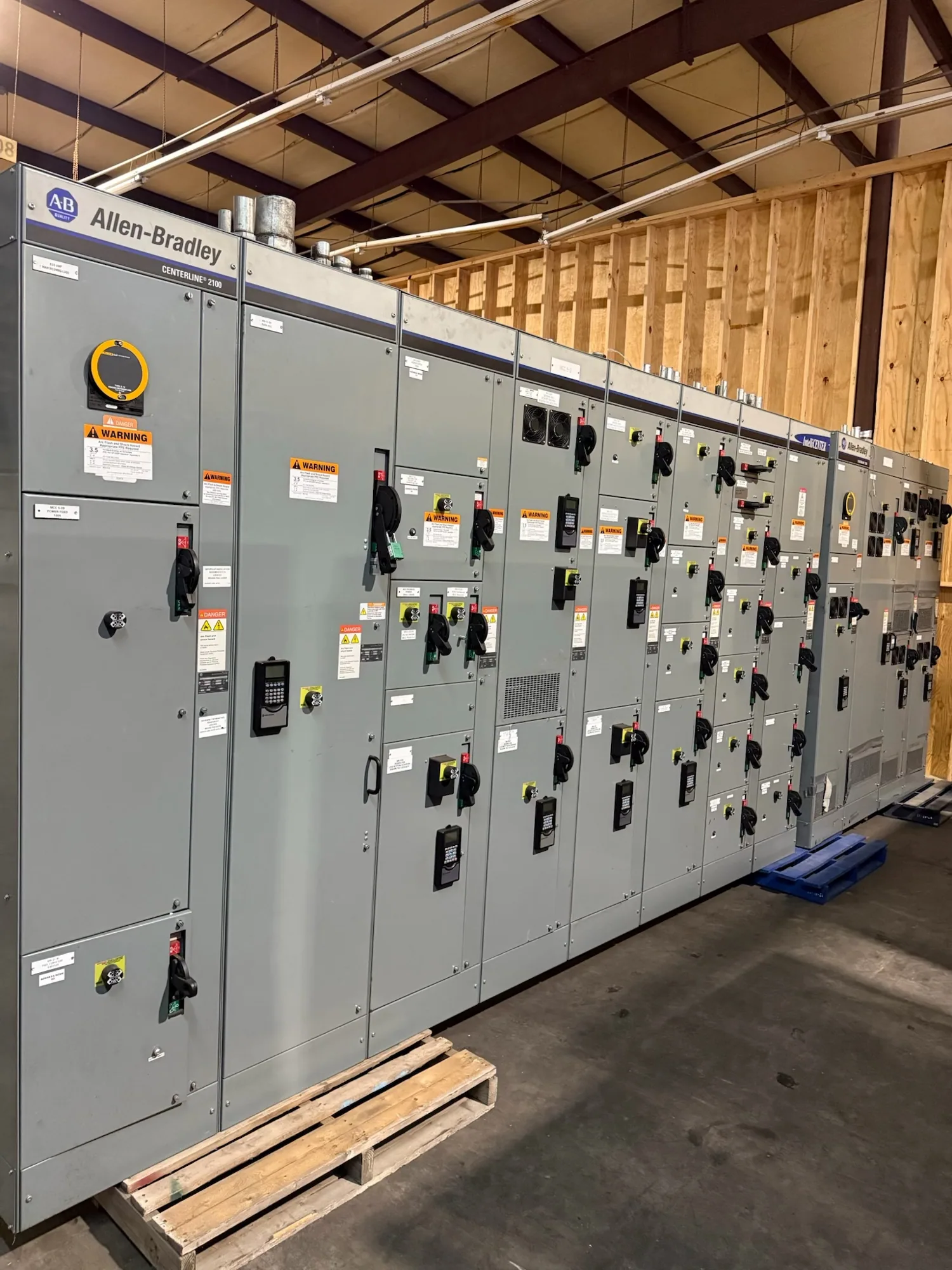
Where selective coordination fits
Power distribution panelboards serve branch-circuit distribution and are a distinct equipment category from switchgear. Selective coordination concerns how upstream and downstream overcurrent protective devices respond to a fault. The design objective, where required by the project, is for the device nearest the fault to operate while upstream devices remain closed within the specified conditions and range. The applicable requirement must be determined for the installation, not assumed from the word “panelboard.”
Panelboard coordination is part of a larger distribution-system study. The panel’s main device, branch devices, feeder protection, source characteristics, conductor arrangement, and connected equipment can all affect the analysis. A panelboard schedule alone may not provide enough information to establish coordination. The responsible electrical engineer should identify the governing codes, project specifications, operating scenarios, and fault-current conditions for the particular installation.
Define the coordination objective
Before selecting a panelboard configuration, establish which protective devices are in scope and what range of fault current must be evaluated. Coordination can differ at low-level overloads and at higher fault currents; device curves and manufacturer data must be reviewed over the required range. Do not treat a single curve intersection, a nominal device rating, or a general product description as proof that the complete system meets a project requirement.
There can be trade-offs between continuity of service and protective performance. A design that keeps an upstream device from opening under specified downstream faults must still be assessed for interrupting capability, conductor protection, equipment withstand, and other applicable limits. The engineer should also consider normal operating conditions and any alternate source or operating arrangement that changes the available fault current or protective-device sequence.
Panelboard configuration and placement
Branch-circuit capacity, number and type of outgoing circuits, main-device arrangement, and physical location influence panelboard selection. A panel serving sensitive production processes may have different continuity priorities from one supplying general-purpose loads. Those priorities do not establish device settings by themselves: the engineer must reconcile them with the system study, protective-device characteristics, and project requirements.
Placement affects feeder length and the surrounding distribution design, while enclosure selection and environmental conditions must suit the installation. Available fault current at the panel and the specified equipment ratings require project-specific confirmation. Likewise, compatibility among protective devices should be verified for the exact proposed combination, rather than inferred from a similar panel or a different device family. Keep panelboard requirements separate from switchgear requirements when preparing schedules and submittals.
Illustrative food and beverage facility scenario
Consider a hypothetical food and beverage facility with a panelboard serving process loads, refrigeration-related circuits, and general building loads. These are illustrative categories only; no system voltage, fault-current value, device type, coordination range, or regulatory requirement is assumed. The design team would first identify which loads require continuity, which upstream devices supply the panel, and whether normal and alternate operating conditions must be evaluated.
A qualified engineer would then review available system data and the time-current behavior of the proposed upstream and downstream devices. Questions may include whether a fault on one branch could interrupt other loads, whether device combinations are supported by applicable manufacturer data, and whether the specified coordination objective is achievable without compromising other design constraints. The engineer must also determine which codes and standards apply; this example does not establish a universal requirement for food and beverage facilities.
Information to provide for review
Useful project inputs include one-line diagrams, panel schedules, source and transformer information, feeder and conductor data, available fault-current studies, and the proposed upstream and branch protective devices. Identify required voltage and system configuration, circuit quantities, load descriptions, operating modes, and any stated coordination range. Provide applicable project specifications and code interpretations from the responsible design professional.
Also state the intended enclosure and installation environment, mounting arrangement, termination needs, and any constraints on dimensions or access. Flag requirements for documentation, submittal review, testing, or labeling without assuming a particular procedure or outcome. If a required value or device selection is not yet established, mark it as pending engineering determination rather than filling the gap with an assumed rating.
Specify the equipment and next steps
A clear specification should identify the panelboard scope, required protective-device arrangement, coordination objective and evaluated range, system conditions, applicable ratings, and documentation expected for review. Ask the project engineer to confirm device compatibility and the basis for the coordination analysis. Distinguish equipment requirements from field installation, commissioning, and maintenance responsibilities, which belong to qualified personnel following applicable safety procedures.
South Carolina Switchgear Builders manufactures new power distribution equipment to specification and ships nationwide. To develop a project-specific panelboard proposal, provide the current drawings, schedules, study information, and required submittal milestones. Configuration, availability, applicable listings, testing, ratings, and delivery timing must be confirmed against the actual design and order. Coordinating these details early helps the equipment package align with the engineered distribution system without treating selective coordination as a generic product attribute.