What an enclosure rating means for a switchboard
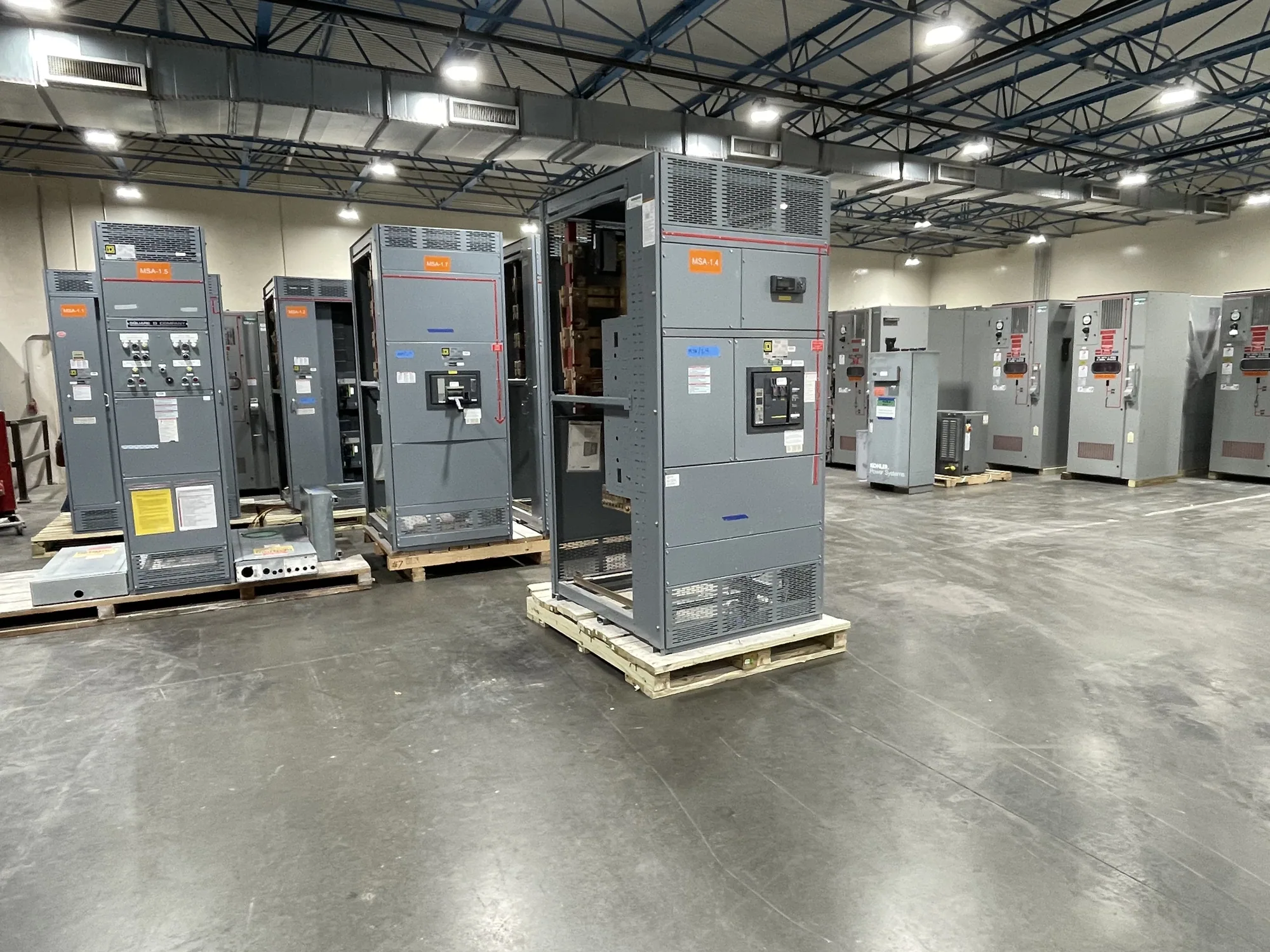
A low-voltage switchboard enclosure houses service and feeder distribution components while providing a defined barrier around the assembly. Its enclosure type describes protection under specified conditions; it does not, by itself, establish electrical ratings, fault withstand capability, or suitability for every installation. The appropriate selection depends on where the board will be installed and the design details documented for that specific assembly.
For a buyer, enclosure selection is part of the equipment specification—not a standalone accessory decision. A rating that is suitable for a clean indoor electrical room may not address exposure to water, dust, washdown, or other conditions elsewhere. Confirm the application with the responsible project engineer and ask the manufacturer to identify the proposed enclosure type and its applicable documentation.
Start with the actual installation environment
Describe the physical setting rather than relying only on a room name or a general statement such as “indoor.” Note whether the switchboard is in a conditioned electrical room, a utility space with dust, or an area subject to moisture, cleaning, or temperature variation. Identify the likely source, direction, and frequency of exposure. These details help distinguish ordinary environmental conditions from demands that may require a different enclosure design.
In food and beverage facilities, for example, a switchboard may be near a production area where cleaning practices and airborne residue matter. This is an illustrative scenario, not a claim about any particular facility. The required cleaning method, chemical exposure, water intensity, distance from equipment, and installation location are unknown until the project team defines them. Have the engineer confirm what the enclosure must withstand and whether the proposed switchboard location is appropriate.
Balance protection with access and layout
More enclosure protection is not automatically better if the chosen construction conflicts with access, equipment dimensions, or the room plan. Consider the working and operating access required by the project, door swing and clearance, cable entry and routing, and space for service and feeder devices. The project engineer should coordinate these needs with applicable electrical and safety requirements. Qualified personnel must perform installation, inspection, and maintenance under the relevant procedures.
Ask how the selected enclosure affects the board’s footprint, internal arrangement, ventilation approach, and access to operating components. The answers depend on the actual design and cannot be inferred from an enclosure-type label alone. Confirm whether the specified rating applies to the complete proposed assembly and its installed configuration, including any options, openings, or field changes that the design permits.
Keep enclosure selection separate from electrical ratings
Enclosure type and electrical performance answer different questions. The enclosure addresses environmental protection; service and feeder device selection, voltage, ampacity, and short-circuit or fault requirements must be established separately for the project. Do not assume that specifying an enclosure rating determines the switchboard’s electrical suitability, or that an existing board’s electrical data can be transferred to a new design without engineering review.
Provide the source and distribution information needed to evaluate the switchboard, including system voltage, service arrangement, anticipated loads, feeder schedule, and available fault-current information when established. The responsible engineer must determine the applicable ratings and verify coordination with the distribution system. Ask the manufacturer to confirm the proposed assembly against the approved specification; ratings, construction, and applicable standards are specific to the equipment supplied.
Questions to resolve before finalizing the specification
Start with practical questions: Is the board indoors or outdoors? What moisture, dust, cleaning, or corrosive exposure is expected? Who needs access, and how will cables enter and leave? Are there space limits, adjacent equipment, or future feeder provisions? What documentation will demonstrate the specified enclosure type? Clear answers help prevent vague requirements and reduce the chance of selecting a design based on an assumed environment.
Where exposure is uncertain, record what is unknown rather than treating a tentative value as a design fact. The engineer can assess site conditions, applicable codes and standards, and any required calculations or review. Ask whether the proposed configuration’s enclosure documentation covers the intended installation and whether accessories or field modifications affect that basis. Listing and other conformity claims must be verified for the specific assembly; do not infer them from enclosure terminology.
What to provide when requesting a switchboard
For a useful review, send the installation location and environment description, the required enclosure type if already established, and the project’s electrical one-line or equivalent distribution information. Include service and feeder requirements, known fault-current data, dimensions or room constraints, cable entry preferences, access needs, and any project specifications. Mark pending engineering decisions clearly so assumptions are not mistaken for approved requirements.
Request confirmation of the proposed enclosure type, assembly dimensions, applicable electrical ratings, included devices, and the documents available for review. Identify exclusions explicitly, such as field wiring, site-specific environmental assessment, or features not shown in the proposal. South Carolina Switchgear Builders manufactures new switchboards to specification, with US-built equipment and nationwide shipping; configuration, availability, and delivery timing depend on the order and require confirmation. A complete, coordinated specification gives the project team a sound basis for evaluating the equipment before release.