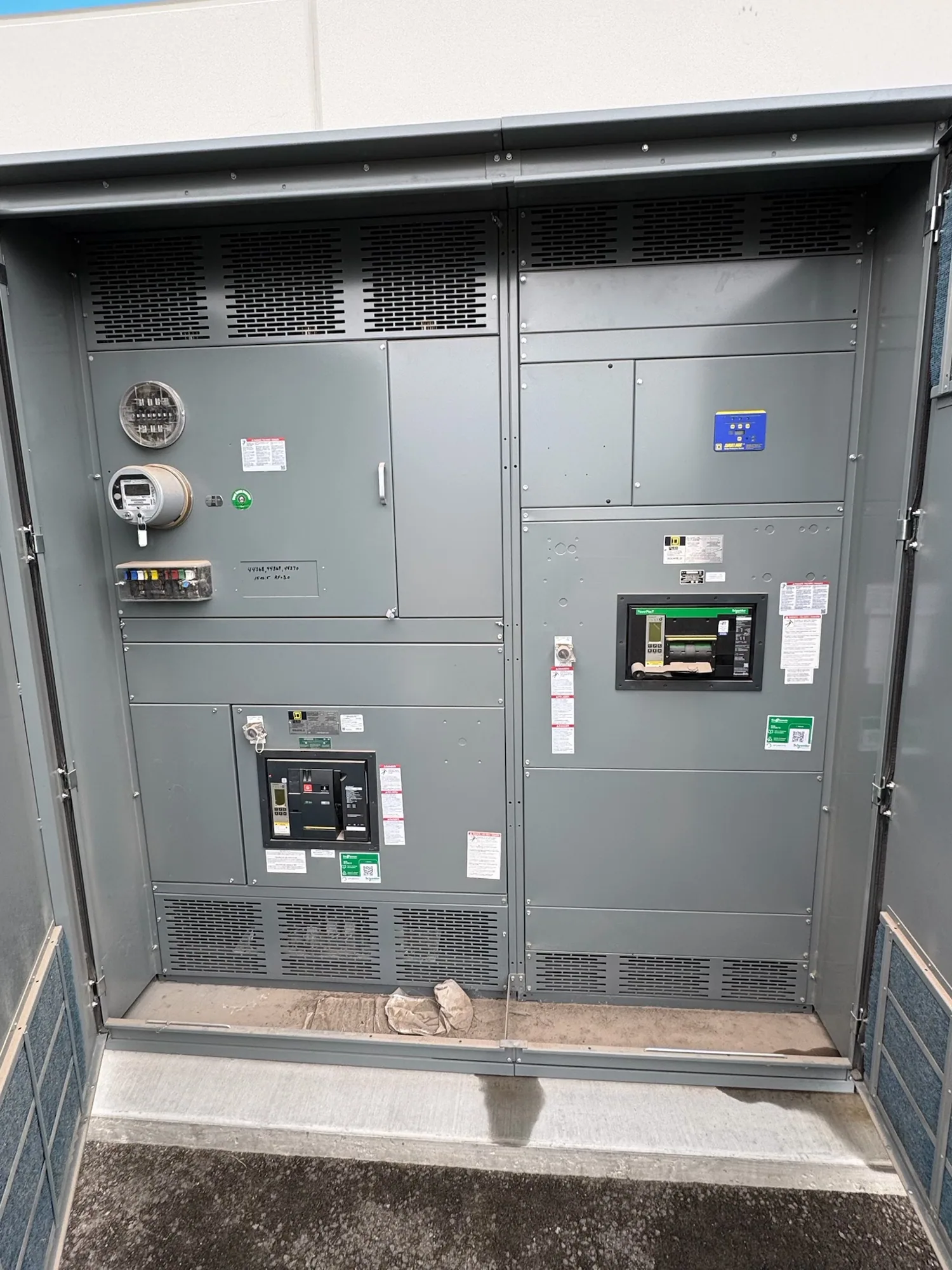
Where grounding details enter a switchboard design
In a low-voltage switchboard, grounding and bonding decisions affect how the assembly connects to the electrical system; they are not simply a matter of adding a ground bar. The design must reflect the intended service or feeder role, system arrangement, incoming and outgoing conductors, and project requirements. The responsible engineer determines the applicable design based on the installation and governing requirements.
For a service switchboard, neutral treatment and bonding provisions depend on the specific service arrangement. A feeder switchboard may have different requirements, particularly when the neutral is carried through from upstream equipment. Buyers should communicate the one-line diagram and identify the equipment’s position in the system instead of relying on labels such as “main” or “distribution” alone.
Coordinate system arrangement and equipment selection
Grounding details need to be considered alongside the selected service or feeder devices, bus arrangement, enclosure dimensions, and specified fault-current requirements. For example, device choices and bus configuration can affect the space and connections needed for incoming and outgoing conductors. Project-specific drawings should make these relationships visible so that the assembly can be reviewed as a coordinated design.
Do not assume that a neutral-to-ground connection belongs in every switchboard section or that the same arrangement applies to every installation. The intended connection points and neutral treatment must be established for the actual system. Have the project engineer confirm the design and applicable code requirements; the equipment supplier needs clear, approved direction rather than a guessed interpretation.
Review fault-current and installation information
Grounding and bonding provisions are part of a larger protection and installation picture. The specification should identify the available fault-current information and the required assembly ratings for review. The engineer should verify that the selected equipment and its protective devices are appropriate for the system. No rating or compliance conclusion should be inferred from a general product description.
Connection space and routing also matter. Provide conductor material and size where determined, entry direction, conduit or cable approach, and any constraints on the location of grounding connections. If dimensions or termination details are not settled, state what remains open and request review during submittals. This can help reveal conflicts before fabrication without treating preliminary information as approved design.
Illustrative food and beverage facility scenario
Consider a food and beverage facility planning a new low-voltage switchboard for process and building loads. The service arrangement, available fault current, feeder destinations, and neutral requirements are unknown until the project team supplies them. The facility may have operational priorities and space constraints, but those considerations do not establish the correct grounding or bonding design.
The engineer should evaluate the actual system, load distribution, protective-device coordination, installation conditions, and applicable requirements. The buyer can help by identifying equipment locations, anticipated feeder destinations, environmental or enclosure constraints, and whether the board is intended for service or downstream distribution. These details inform equipment selection; they do not substitute for calculations or a standards review by qualified professionals.
Questions to resolve before specification approval
Ask the design team to clarify the switchboard’s system role, neutral arrangement, designated grounding and bonding points, conductor requirements, and any project-specific connection details. Confirm how the equipment interfaces with upstream and downstream devices, and whether the one-line diagram and schedules are consistent. If a detail is pending, assign responsibility for resolving it and identify when the answer is needed for submittal review.
Also establish the required voltage class, bus and device selections, enclosure constraints, entry locations, and project ratings from the approved design documents. Confirm which drawings and calculations will govern if documents conflict. Listing, testing, ratings, applicable standards, and configuration are specific to the proposed assembly and require verification against its actual specification.
Information to provide with a new equipment inquiry
For a useful quotation and technical review, provide the one-line diagram, equipment schedule, voltage and phase information, service or feeder designation, device requirements, and known fault-current data. Include grounding and neutral notes from the engineer, preferred cable or conduit entry, available space, and site or shipment coordination details. Mark assumptions and unresolved items clearly so they can be reviewed rather than mistaken for final requirements.
South Carolina Switchgear Builders manufactures new switchboards to specification, with US-built equipment and all-American components. Availability and actual lead times depend on the order and must be confirmed. During submittals, review the proposed assembly drawings against the approved project documents and resolve grounding, bonding, neutral, device, and dimensional questions before release. Installation, testing, and maintenance belong to qualified personnel following applicable safety procedures; final design decisions remain with the responsible project professionals.