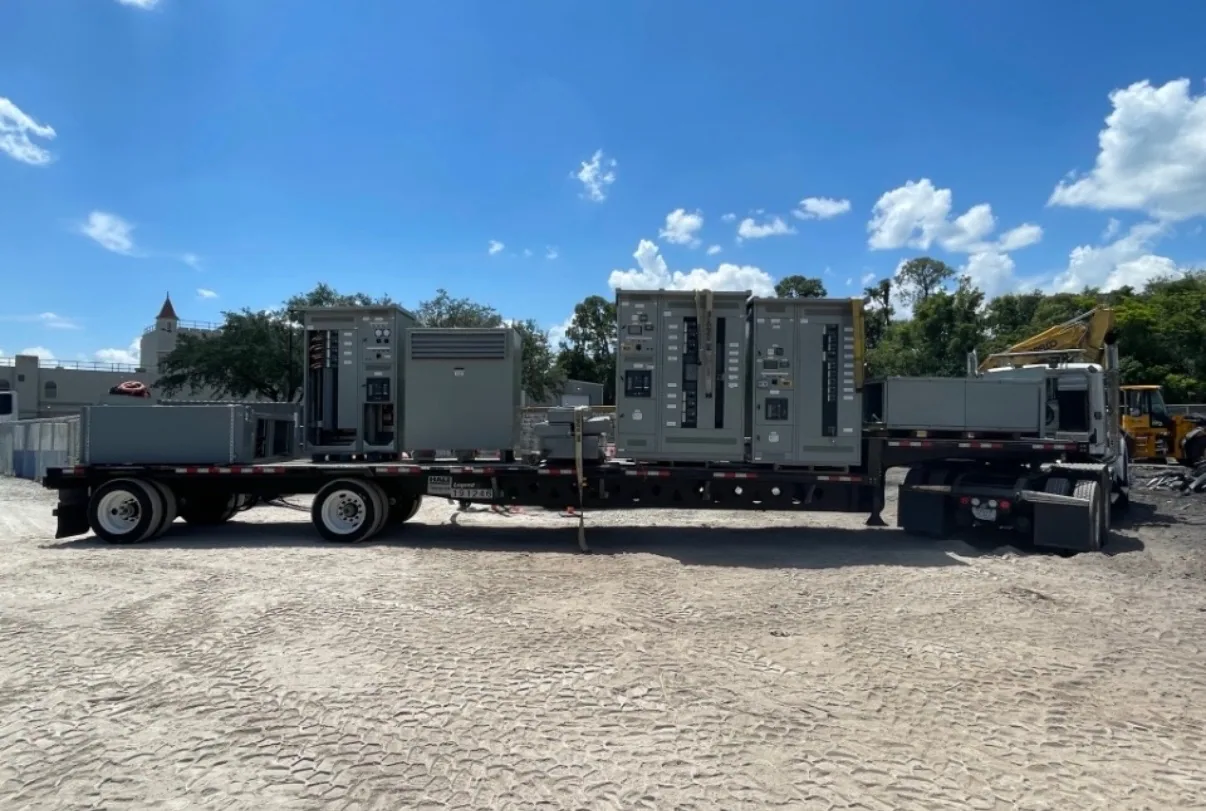
Fit the equipment to the facility and its operating context
Pharmaceutical and biotech sites may depend on electrical distribution for process utilities, environmental controls, laboratories, and other facility systems. The consequences of an interruption vary by load and process, so the project team should identify which systems the switchgear will serve and how electrical work fits established operating and change-control procedures. Arc-resistant equipment is one design consideration, not a substitute for facility-specific risk review or safe work practices.
For a new-equipment project, begin with the one-line diagram, load and feeder requirements, and the intended location. Identify whether the scope is low-voltage switchgear, medium-voltage switchgear, or a switchboard; these are not interchangeable product descriptions. Confirm the system voltage class and project requirements with the responsible electrical engineer. South Carolina Switchgear Builders manufactures new equipment to specification, with configuration and availability subject to review of the actual project documents.
What an arc-resistant designation does—and does not—establish
An arc-resistant rating applies to a particular equipment design and tested configuration, not to a broad product category in every possible installation. Ask the manufacturer to identify the applicable design documentation and limits for the proposed assembly. Review the specified accessibility type, installation arrangement, and conditions associated with the rating, then compare them with the actual room layout and operating plan. Do not assume a designation covers configurations or conditions that have not been confirmed for that design.
In a controlled facility, documented interfaces and formal change review can help keep the installed arrangement aligned with the approved project basis. Changes to lineup placement, adjacent equipment, cable entry, ventilation, barriers, or room conditions may matter to the design and must be evaluated rather than treated as routine substitutions. The project engineer and manufacturer should resolve questions against the equipment documentation. The arc-resistant feature does not authorize energized work or remove the need for qualified personnel and applicable safety procedures.
Resolve voltage, insulation, and system configuration
Specify nominal system voltage and equipment maximum voltage as separate data points; do not assume one determines the other. Also provide system frequency, grounding method, available fault information, and the project’s protection and coordination basis where established. These details help the design team assess the requested equipment and identify missing inputs. Confirm insulation requirements and any project-specific requirements with the responsible engineer and the manufacturer for the selected design.
State the intended product class explicitly. A 480 V class application is low voltage, while 5 kV and 15 kV class applications are medium voltage. Those examples do not establish ratings for a particular assembly or define every system boundary. Include the complete one-line diagram and clarify source and feeder arrangements, lineup sections, and connection points. If the project involves multiple sources or operating modes, document them so the proposed configuration can be reviewed against actual requirements rather than assumptions.
Plan access, installation, and maintenance windows
Provide room drawings or dimensions, equipment access routes, working-space assumptions, cable approach, and constraints on lifting or staging. Ask the project team to confirm how the specified installation configuration fits the available space and interfaces. For an arc-resistant design, evaluate the arrangement as a complete system against its documented limits; a layout change made to solve a site issue should be reviewed before procurement or installation, not assumed to preserve the intended design characteristics.
Pharmaceutical and biotech operations often require careful coordination of shutdowns, access, and procedural approvals. Identify anticipated outage windows, the loads affected, temporary operating arrangements, and the facility’s change-control process. These are project inputs, not promises about continuity or a manufacturer’s field scope. New equipment supply should be distinguished from engineering of the facility, installation, commissioning, and maintenance. Assign each responsibility to the appropriate project party and have qualified personnel perform field work under applicable procedures.
Build a complete purchasing package
A useful request for quotation describes the equipment and the project context together. Include the one-line diagram, equipment schedule, voltage and system data, required sections and feeders, control and metering needs, cable-entry preferences, room and access information, and the requested arc-resistant design characteristics. Identify the governing project specifications and any required submittals. Mark unresolved items clearly so the manufacturer can ask focused questions instead of silently filling gaps with assumptions.
Also provide the intended delivery location, target project milestones, review contacts, and procurement constraints. Availability and lead time depend on the order and must be confirmed; do not plan around an unverified date. South Carolina Switchgear Builders offers US-built equipment with all-American components, custom to specification, and ships nationwide. The actual configuration, delivery schedule, ratings, listing, testing, and applicable standards must be confirmed for the supplied equipment and project requirements.
Coordinate review before release
Before approving a submittal or releasing equipment for manufacture, compare the proposed lineup and documentation with the latest approved electrical drawings and facility interfaces. Resolve open points on voltage, protection, access, installation configuration, and the basis for the arc-resistant designation. Establish how revisions will be recorded and reviewed so that procurement documents, site plans, and change-control records stay aligned. This disciplined review is especially useful when operational windows are limited or process changes are tightly controlled.
For a clear next step, assemble the project’s current drawings, specifications, operating constraints, and requested equipment scope, then send them for a configuration and quotation review. Ask which information remains to be confirmed and which responsibilities stay with the facility engineer, contractor, or other project professionals. A well-defined package supports an accurate equipment proposal while keeping design decisions, installation planning, and operational approvals with the people responsible for them.