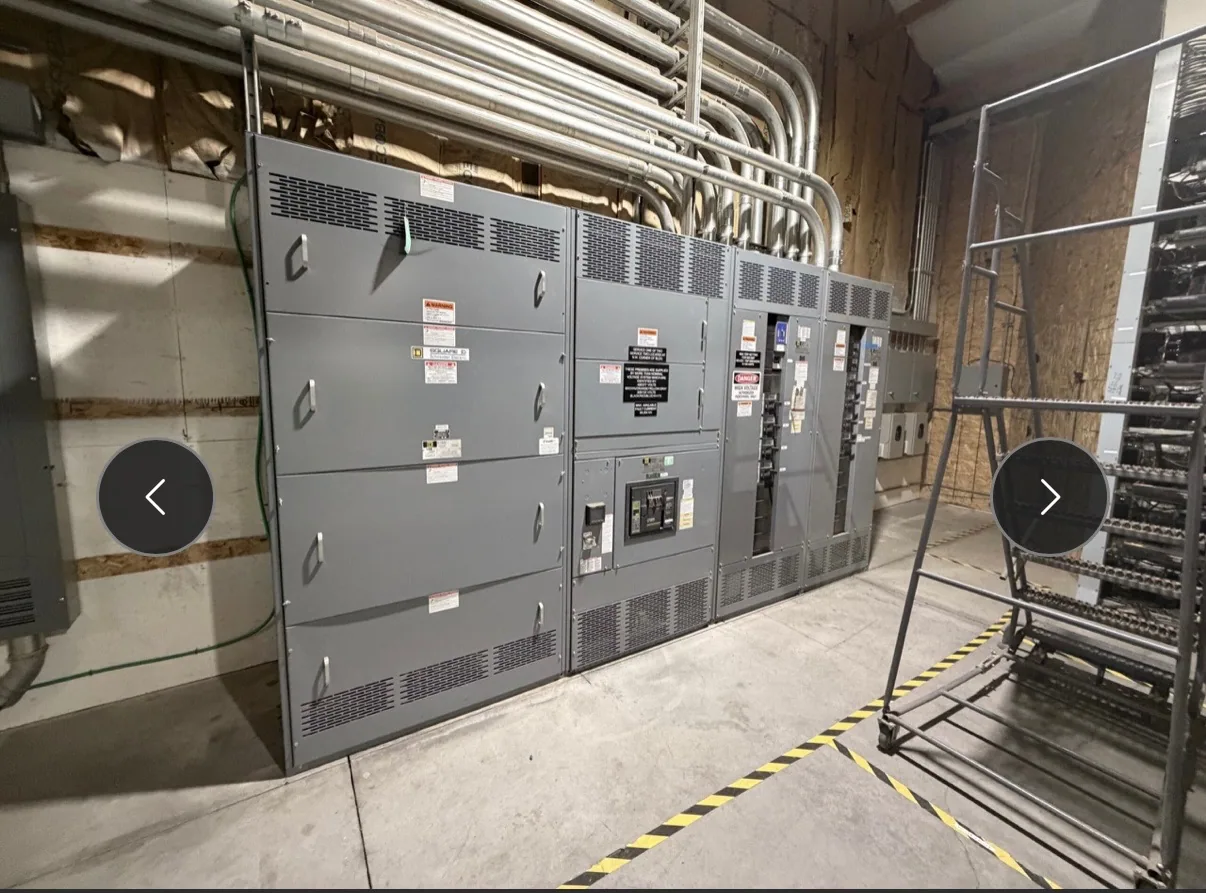
Start with the facility’s operating context
Pharmaceutical and biotech sites may combine production equipment, process utilities, laboratories, controlled environments, building services, and support areas on one electrical distribution system. The loads and operating consequences differ across those spaces. Before selecting equipment, map what each distribution section serves, which loads must remain available during planned work, and how a change to one area could affect other operations.
This is a planning framework, not a substitute for the facility’s engineering documents or quality procedures. The project engineer and owner should establish the governing system design, operating constraints, and approval path. Switchgear selection should follow those defined requirements rather than assumptions based on the industry label alone.
Connect distribution choices to process utilities
Process equipment and its supporting utilities can create different electrical needs. A production line may rely on pumps, air handling, temperature control, or other services identified by the facility team. The switchgear specification should make clear which feeders serve which loads, where distribution boundaries fall, and what interfaces are provided to downstream equipment. Confirm these relationships with the electrical design and process stakeholders.
Low-voltage switchgear may be appropriate for portions of a facility’s distribution when the system design calls for equipment in that class. Medium-voltage switchgear may be considered where the project’s distribution architecture and specified system voltage require it. These are not interchangeable choices, and neither follows automatically from a pharmaceutical or biotech use. The engineer should confirm the actual voltage class, load arrangement, protective scheme, and equipment requirements for each application.
Plan controlled changes and documented interfaces
In regulated operations, a physical electrical change can have implications beyond the equipment room. The owner should identify required design reviews, document revisions, approval records, and change-control steps before procurement. Define who approves drawings and technical deviations, how comments are resolved, and which records the facility needs with the completed equipment. The manufacturer can build to an agreed specification; facility procedures and project approvals remain the owner’s responsibility.
Document interfaces in enough detail to avoid uncertainty during engineering and installation. Identify incoming and outgoing connections, feeder destinations, control and monitoring interfaces, enclosure and room constraints, and coordination boundaries with other vendors. If equipment must connect to an existing lineup or downstream system, provide the relevant approved drawings and interface requirements for review. Compatibility must be evaluated for the specific design, not presumed from a similar product description.
Choose voltage and configuration from the actual system
Voltage selection involves more than naming a nominal system voltage. Project documents should distinguish nominal operating voltage from the equipment maximum voltage and state the insulation requirements and system configuration that apply. The responsible engineer should confirm how grounding, fault conditions, and protective devices affect the design. A voltage class stated without these supporting details may not be enough to establish an equipment configuration.
Other useful inputs include the one-line diagram, available fault-current information, load and feeder schedules, operating sequence, and applicable project specifications. Confirm which ratings and design features are required for the intended installation. Requirements vary by system and assembly; ask the manufacturer to review the proposed specification and identify items that need clarification before the design is finalized.
Coordinate access, maintenance windows, and continuity
Planned maintenance windows can shape equipment arrangement and project sequencing. The facility team should describe access limits, room dimensions, cable entry expectations, working clearances, and any phasing constraints. Define whether a new section will be installed as part of a shutdown, a staged expansion, or another approved sequence. The installation plan and outage decisions belong with the owner and qualified project personnel.
Do not assume a particular switchgear arrangement will preserve service to every load during work. Ask the engineer to identify intended isolation points, transfer arrangements if specified, and the operational consequences of each planned interruption. Installation, testing, and maintenance should be performed by qualified personnel following applicable safety procedures. Equipment documentation should support the approved plan rather than substitute for site-specific procedures.
Prepare a useful equipment inquiry
A focused inquiry helps the manufacturer assess the requested new equipment. Include the facility location, project stage, target procurement schedule, voltage class, one-line diagram, load and feeder information, and the applicable specification. State whether the scope is low-voltage or medium-voltage equipment, and identify any required interfaces, environmental conditions, enclosure constraints, documentation, and review milestones.
Also identify the decision-makers: the owner or facility representative, electrical engineer, procurement contact, and other parties responsible for process or quality approvals. Note open technical questions rather than leaving them implicit. Confirm which ratings, testing, listing, standards, and delivery dates apply to the actual proposed equipment. Availability and lead time depend on the order and must be confirmed; do not rely on an assumed schedule.
Move from requirements to a coordinated specification
South Carolina Switchgear Builders manufactures new switchgear and switchboards to specification, with US-built equipment, all-American components, short lead times, and nationwide shipping. Configuration, availability, applicable ratings, listing, testing, and delivery timing must be confirmed against the project requirements and supplied equipment. For a pharmaceutical or biotech project, begin with the approved electrical basis of design and the facility’s change-control process, then resolve interfaces and schedule constraints before releasing the order.
When the owner, engineer, and purchasing team align on system data, scope, approvals, and required records, equipment review becomes more direct. Provide the current project documents and identify who can answer technical questions. That gives the manufacturer a clear basis for evaluating a new-equipment request while leaving final design decisions and site procedures with the responsible project professionals.