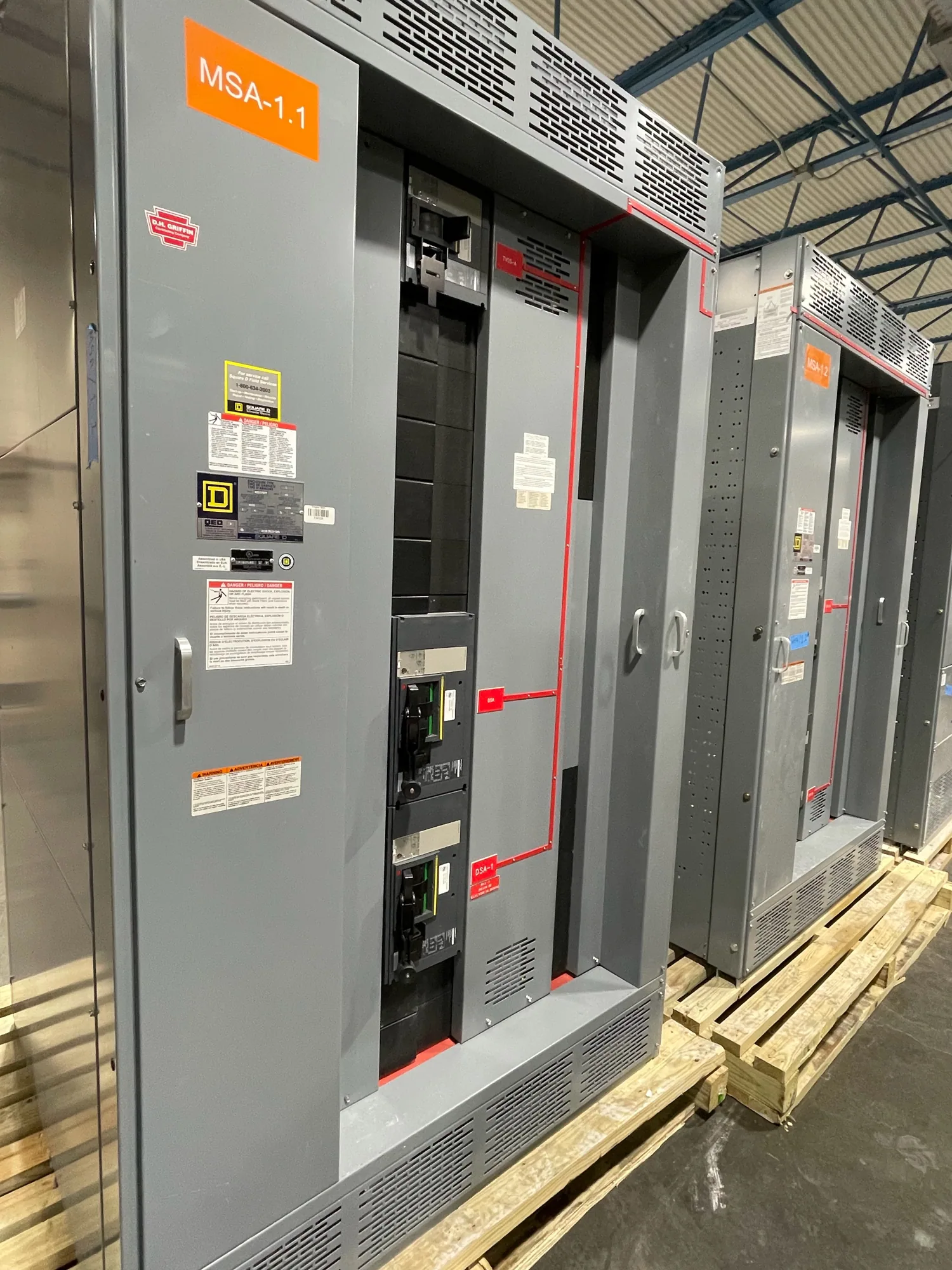
How paralleling fits a process power system
In a chemical processing facility, generator paralleling switchgear can coordinate multiple generator sources and connect them to designated distribution buses. The intended arrangement depends on the plant’s one-line diagram, operating modes, and continuity objectives. A project might need to support selected process loads during a utility interruption, planned maintenance, or another defined operating condition; the equipment should be specified around those actual scenarios rather than a general assumption of backup coverage.
Process distribution often serves a mix of motor-driven equipment, controls, instrumentation, and other electrical loads. Their starting behavior and operational importance can affect how sources are sequenced and how much load is assigned to each step. Buyers should identify which loads must remain available, which may be shed, and what restoration sequence is acceptable. The responsible project engineer must establish the system design and confirm that the proposed arrangement fits the facility.
Source sequence, synchronization, and controls
The control scope should describe how generators are started, brought into service, synchronized, paralleled, and removed from the bus. Confirm the intended response to failed starts, unavailable units, abnormal source conditions, and a return to normal utility service. These sequences are project-specific: generator controls, switchgear logic, transfer arrangements, and supervisory systems must have clearly defined responsibilities and interfaces.
Document the signals and communications expected between the paralleling equipment, generator packages, utility interface, plant control system, and any load-shedding scheme. Identify who supplies each device, who configures the logic, and how points will be reviewed before shipment and during commissioning. A clear interface list helps prevent gaps between equipment packages. The manufacturer’s supply scope should be distinguished from system studies, generator integration, field wiring, installation, and commissioning services.
Process loads, priorities, and protective coordination
Build the load schedule around operating states, not just connected horsepower or a single demand figure. Include motor data, starting methods, expected starting combinations, power factor information where available, and critical control loads. Explain which loads are essential, time-sensitive, or suitable for automatic shedding. Large motors can influence source capacity and voltage behavior during starting, so the project engineer should assess those effects using actual generator and load data.
Protection settings and device selection need to coordinate with the generators, distribution system, downstream equipment, and the facility’s protection philosophy. Provide available fault-current information, generator data, existing protective-device details, and any completed coordination requirements. Do not assume that a switchgear quotation establishes final settings or system performance. The responsible engineering team must confirm protection, selectivity goals, and required studies for the complete installation.
Hazard assessment and equipment location
Chemical facilities may include areas with hazardous-material classifications, corrosive exposure, heat, moisture, vibration, or restricted access. Share the site hazard-area drawings and environmental requirements early. Equipment location and enclosure requirements must follow the project’s area classification and applicable design decisions. Paralleling switchgear is often considered for an electrical room or other location suitable for the specified assembly, but the actual placement must be determined by qualified project professionals.
Coordinate room dimensions, access and working clearances, cable entry, bus connections, ventilation, lifting routes, and maintenance access with the facility layout. Also explain outage windows, tie-in boundaries, and restrictions on installation sequencing. These details can shape lineup configuration and shipping splits. Installation, inspection, testing, and maintenance should be planned for qualified personnel following applicable safety procedures; equipment supply alone does not replace site engineering or field execution.
Voltage and system configuration questions
State the nominal system voltage and frequency, grounding method, number of phases and wires, and the intended relationship between generator and distribution buses. Distinguish nominal voltage from equipment maximum voltage, and provide the available system configuration rather than asking a supplier to infer it. For example, 480 V class equipment is low voltage, while 5 kV and 15 kV class equipment are medium voltage. The correct class and insulation requirements depend on the project specification.
Include generator output information, bus ratings requested by the project, service conditions, and any requirements for metering, protective relays, communications, or future expansion. If existing equipment will connect to the new lineup, provide drawings and interface details for engineering review. Ratings, listing applicability, and standards must be verified for the specific design and supplied assembly. For eligible low-voltage switchboards, UL 891 applicability and assembly listing require project-specific confirmation; that standard should not be applied to medium-voltage switchgear.
Information to prepare for a new-equipment quote
A useful request package includes the one-line diagram, generator schedule, load list, operating sequence, voltage and grounding details, fault-current and protection information, control-interface requirements, environmental conditions, and requested scope boundaries. Add facility layout constraints, cable entry preferences, delivery destination, and the project schedule. Mark unresolved items as open questions so they can be addressed during technical review rather than silently treated as confirmed design requirements.
South Carolina Switchgear Builders manufactures new switchgear and switchboards in the United States, using all-American components, and can build to specification with nationwide shipping. Availability and lead time depend on the order and must be confirmed. Share the project documents and identify which engineering decisions remain with the facility’s design team. That gives the manufacturer a sound basis to review the requested configuration, clarify interfaces, and prepare a quote aligned with the chemical processing application.