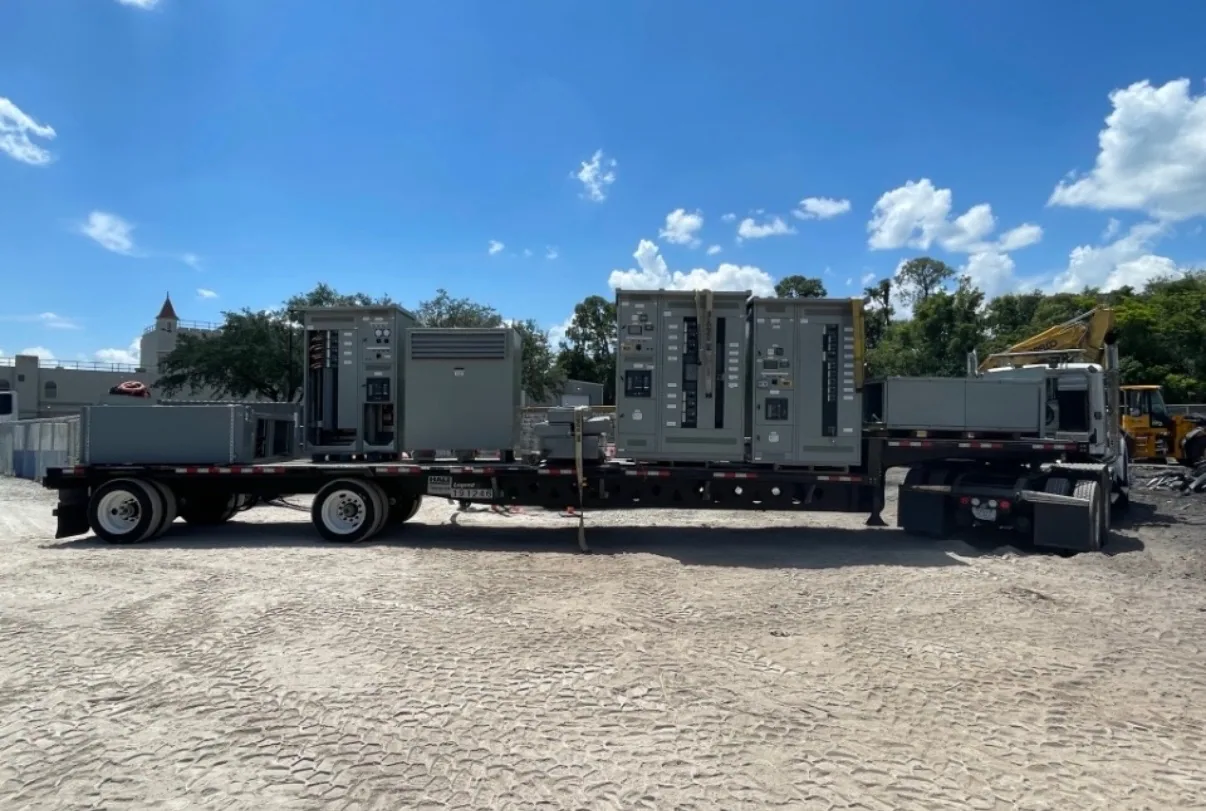
Campus systems and the role of paralleling equipment
A campus may serve academic buildings, laboratories, residence halls, and central plants from a coordinated electrical system, while construction and renovation proceed in phases. Generator paralleling switchgear is specified when a project requires multiple generator sources to operate in coordination and feed designated loads. Its arrangement depends on the project’s electrical design; it should not be treated as a one-size-fits-all substitute for building distribution equipment.
Begin by defining what the equipment must control and distribute. Identify generator sources, intended operating modes, downstream switchboards or feeders, and the loads included in the standby or other defined power scheme. A laboratory with process or environmental requirements may have different priorities from general academic space. The owner’s engineers should establish those priorities and determine how the switchgear interfaces with the campus system.
Source sequence, synchronization, and protection
Document the intended sequence for starting generators, checking acceptable operating conditions, synchronizing sources, connecting them to a common bus, and responding to a source or system condition. The responsible engineer should specify whether sources operate in parallel and under what control philosophy. Confirm which functions belong in the switchgear and which are provided by generator controls, supervisory systems, or other equipment.
Protection coordination is equally important. Provide the available system information and design criteria needed to evaluate protective devices, fault conditions, selectivity, and coordination with upstream and downstream equipment. Do not assume that a control sequence or protective setting can be chosen independently of the connected generators and campus distribution design. The project engineer must establish the applicable requirements and approve the final scheme.
Plan feeders around buildings and phases
For a multi-building campus, develop a feeder schedule that identifies each destination, its source, and the operational role it serves. Show how central-plant loads, laboratories, and other priority groups are connected, and clarify whether feeders serve permanent infrastructure or a construction phase. This helps expose conflicts between proposed distribution routes, future expansion, and the operating arrangement before equipment details are finalized.
Phased work also makes outage planning a design input. Identify scheduled outage windows, temporary operating constraints, equipment access limits, and the point at which each new feeder or source will be commissioned. The manufacturer can use defined connection points and equipment scope when preparing a build-to-specification proposal, but campus outage planning and field integration remain project responsibilities. Confirm how the proposed design accommodates each phase with the project’s electrical team.
Establish current ratings from project conditions
Continuous current rating should follow the actual design load and operating conditions, not a building’s name or a broad campus estimate. Provide expected normal and emergency loading, generator operating combinations, load growth assumptions, and any relevant load-management strategy. The engineer should determine how these conditions affect the required bus and switching-device ratings for the proposed arrangement.
Also provide the specified voltage class, enclosure and installation conditions, ambient operating temperature assumptions, and any project-defined derating considerations. Ask how ratings apply to the complete proposed configuration and its components; do not infer a rating from a single device or a similar installation. Final selections, performance, and availability depend on review of the actual specification and design.
Controls, monitoring, and owner standards
List required status points, alarms, metering, remote communications, and control interfaces, including the systems expected to exchange information with the paralleling equipment. State the owner’s preferred terminology, communication requirements, and division of responsibility for controls integration. These details help distinguish equipment functions from campus-wide monitoring functions and reduce ambiguity in submittals and procurement.
Provide applicable owner standards and project documents early, including one-line diagrams, control narratives, feeder schedules, equipment specifications, and relevant interface requirements. Identify any design criteria that remain open for the engineer’s decision. Standards and requested features need confirmation against the specific proposed assembly; neither a general product description nor an earlier campus specification establishes suitability for a new project.
Prepare a complete purchase scope
A useful request for quotation identifies the equipment quantity and arrangement, generator and system data, required controls, feeder connections, ratings, enclosure conditions, project drawings, and requested submittal information. Include the delivery destination, procurement milestones, and the campus schedule, while asking the manufacturer to confirm availability and actual lead time for the specified configuration. South Carolina Switchgear Builders manufactures new equipment in the United States, uses all-American components, and ships nationwide; project details and timing require confirmation.
Clarify the boundary between manufacturer supply and the rest of the project. Engineering approval, generator coordination, field installation, system testing, commissioning, and maintenance must be assigned to the appropriate qualified project parties. Do not assume these services are included with an equipment quotation. For a clear purchasing decision, align the final drawings, approved specifications, responsibilities, and schedule before releasing the order. That creates a more dependable basis for coordinating new paralleling switchgear with the campus power plan.