Plan around the production environment
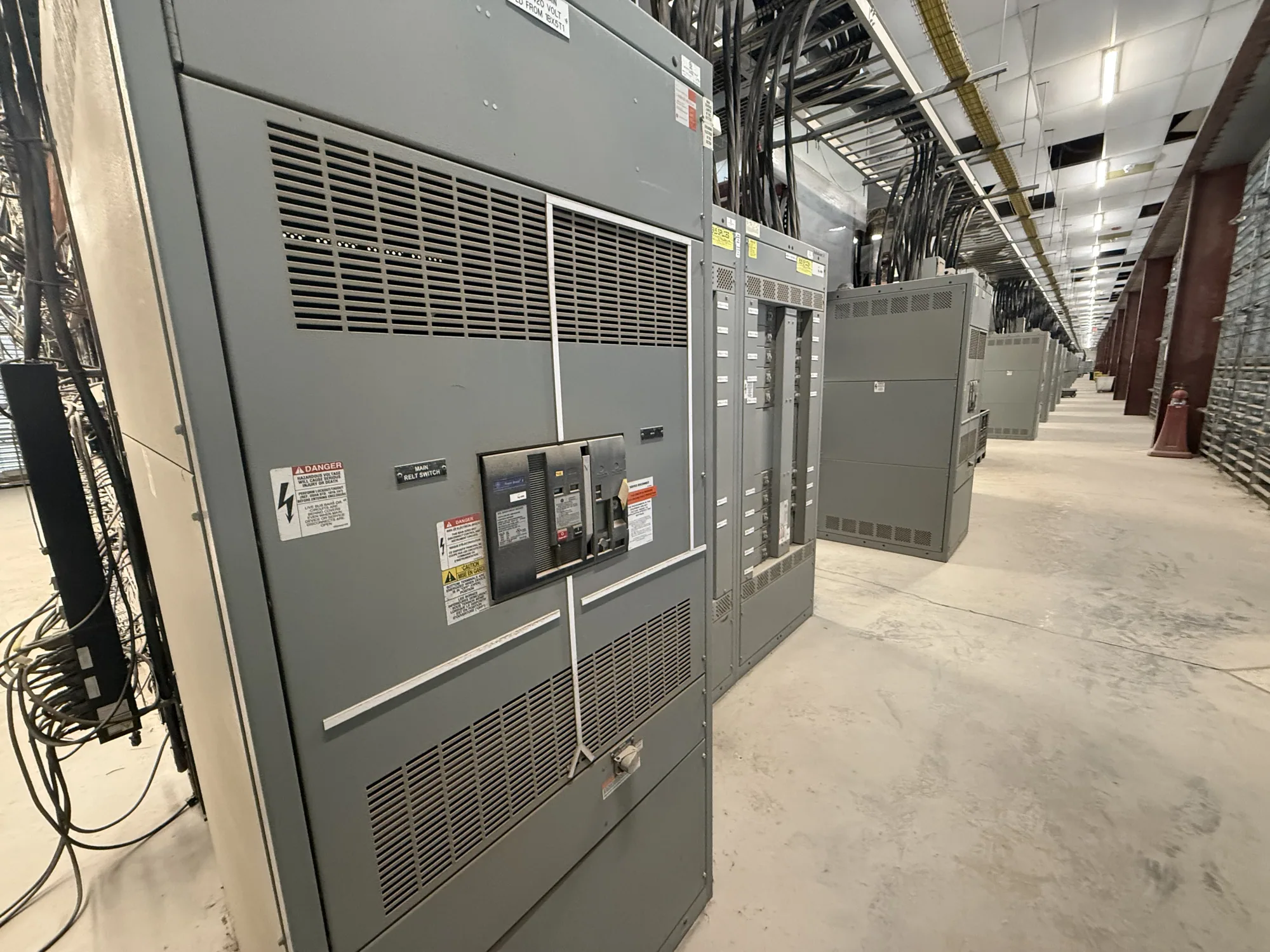
Automotive manufacturing facilities bring together production lines, motor-driven equipment, material handling, building systems, and other electrical loads. Indoor switchgear can serve as part of the facility’s distribution arrangement, with its role determined by the electrical design and project scope. Start by identifying the equipment and areas it will supply, rather than selecting an assembly from a general description of the plant.
For a project involving a new line, a building change, or planned expansion, define both the current operating arrangement and the intended future state. Record which production areas must remain available during construction or equipment replacement, and identify any planned load changes. Those details help the project team assess feeder organization, switching needs, and whether the proposed equipment arrangement fits the actual operating plan.
Fit the equipment to the room
Indoor installation does not mean room conditions are incidental. Confirm the equipment-room dimensions, access route, door openings, floor and structural constraints, and the locations of walls or other obstacles. Review required working clearances against the applicable design and installation requirements. A room that accommodates the lineup on a drawing may still present a practical problem if equipment cannot be moved into position or if access for qualified personnel is restricted.
Heat rejection also deserves attention. Gather information about the room’s expected operating conditions, ventilation or cooling provisions, and nearby heat sources. The responsible project engineer should confirm the equipment’s suitability for the specified environment and any applicable adjustment to ratings. Do not assume a standard room temperature or ventilation arrangement. Coordinate these conditions with the equipment specification before finalizing the layout.
Coordinate installation with outages
Production schedules can make the sequence of work as important as the final electrical arrangement. Identify available outage windows, construction phases, temporary operating arrangements, and the areas that cannot be taken out of service at the same time. The project team can then evaluate whether new distribution equipment and feeders can be installed and connected in stages, subject to the approved design and site procedures.
Feeder segregation should reflect the production plan and the electrical design, not just convenient breaker grouping. Discuss which loads need separate feeders, how production areas are identified, and what operating or maintenance goals the arrangement is intended to support. Clear circuit and load schedules help the manufacturer develop equipment to the required specification and help the project team coordinate drawings, terminations, and site installation responsibilities.
Resolve current ratings with project data
Continuous current ratings require more than a broad estimate of plant demand. Provide the expected normal load current, the planned operating profile, and the relevant load information for each feeder or section. Identify motor loads and any known starting or operating characteristics for the engineer to evaluate. The bus and protective-device ratings must be specified for the actual design; one rating should not be assumed to determine the other.
Ask the responsible engineer to review anticipated operating temperature and other conditions that could affect applicable ratings. Provide the equipment location, environmental information, arrangement, and any design constraints needed for that review. If expansion is planned, describe the expected additions and whether the project calls for reserved space or another defined provision. Confirm all ratings against the final equipment specification; do not rely on a generic industry example.
Define the electrical and physical scope
A useful purchasing scope identifies the applicable voltage class, system information, intended function, incoming and outgoing connections, feeder schedule, and requested equipment configuration. Include the required ratings and any project-specific documentation or design interfaces. For indoor switchgear, distinguish the equipment being requested from related switchboards or other distribution assemblies. Where a particular listing, testing requirement, or standard is requested, have its applicability verified for the specific design.
Also provide current drawings, room plans, available access dimensions, installation sequence, and known site constraints. Note who is responsible for system engineering, protective-device coordination, field connections, installation, commissioning, and acceptance activities. South Carolina Switchgear Builders manufactures new equipment custom to specification. Engineering decisions and field services remain distinct project responsibilities unless explicitly included in the agreed scope.
Coordinate the order and delivery plan
Before requesting a quotation, consolidate the electrical requirements, load and feeder information, equipment-room details, project schedule, and delivery destination. Identify which items are confirmed and which remain subject to engineering review. This makes open questions visible early and helps prevent a preliminary assumption about ratings, configuration, or interfaces from being mistaken for an approved requirement.
South Carolina Switchgear Builders supplies US-built equipment with all-American components and ships nationwide. Short lead times are available, but actual availability and delivery timing depend on the order and must be confirmed. Coordinate submittal review, approval milestones, site readiness, and the planned outage sequence with the project team. Installation, testing, and maintenance should be performed by qualified personnel following applicable safety procedures. A well-defined scope gives the manufacturer and facility team a practical basis for moving from production needs to specified new indoor equipment.