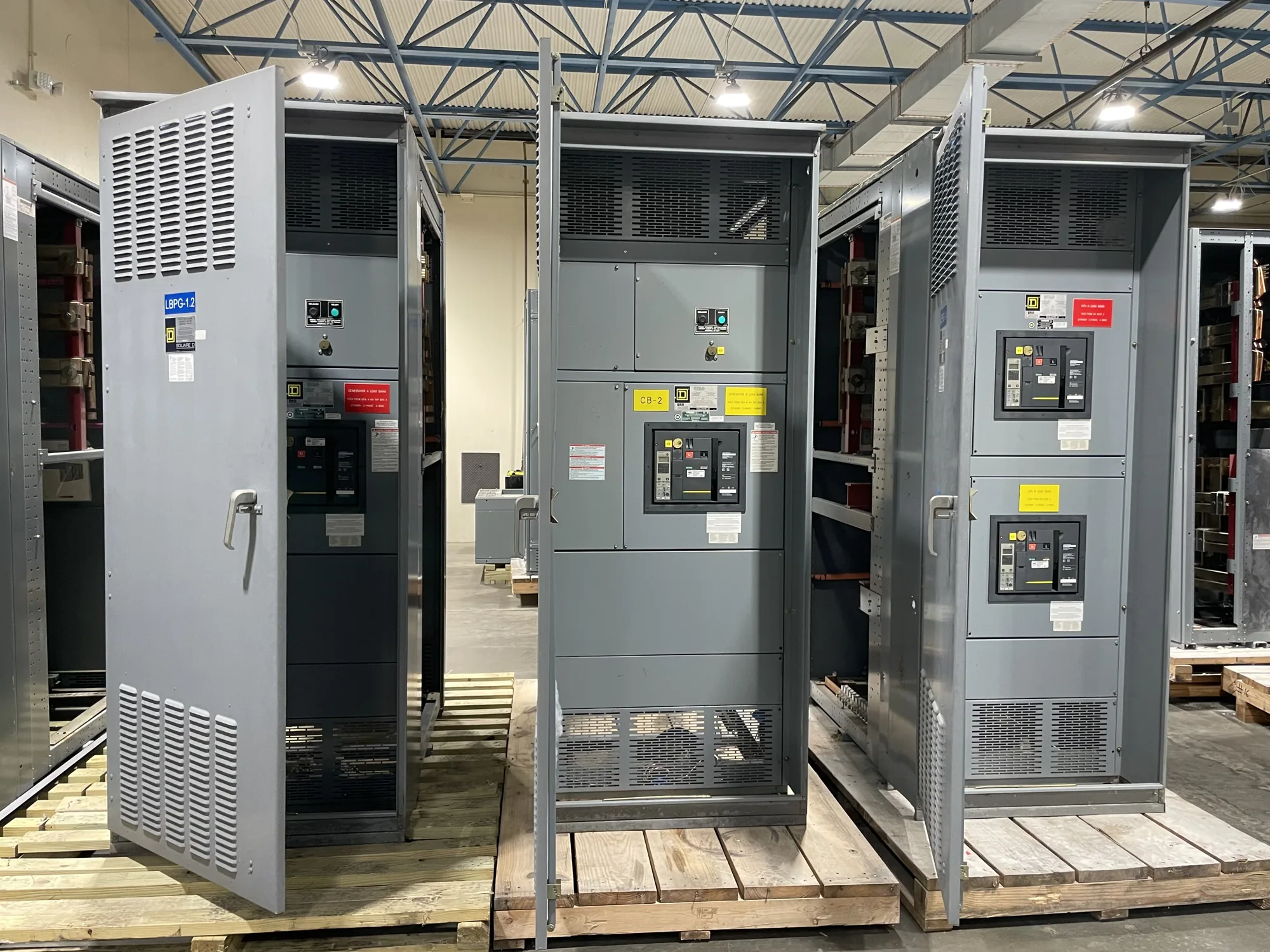
Distribution for process and controlled environments
In a hypothetical pharmaceutical or biotech facility, low-voltage switchgear may serve as a central point for distributing power to process utilities, building systems, and other loads. The assembly’s protective devices and configuration must suit the project’s electrical design; the manufacturer’s scope should be defined against that design rather than inferred from the facility’s industry label.
Controlled environments and regulated operations can make the quality of project records especially important. Equipment changes may require internal review, documented approvals, and coordinated updates to drawings or asset records. Those obligations belong to the facility and its project team, but they should inform the purchase specification: identify required submittals, drawing revisions, equipment labels, and approval stages before the order is released.
Start with the actual electrical system
State the nominal system voltage and configuration, including the number of phases and wires, grounding arrangement, and source characteristics as established by the responsible engineer. Distinguish the nominal operating voltage from the equipment’s maximum voltage designation and insulation requirements. A 480 V class assembly is low voltage, but that label alone does not establish compatibility with a specific system or determine the correct equipment selection.
Provide the available fault-current information and the required interrupting and withstand ratings for the proposed assembly and protective devices. These ratings are related but not interchangeable. The responsible project engineer must determine applicable values and coordination requirements from the system study and design basis. Do not select switchgear by matching a single headline rating or assume that a rating from another facility or project applies.
Balance protection, continuity, and maintenance
Pharmaceutical and biotech operations may have loads with different consequences if interrupted. Ask the electrical design team to identify which loads require particular continuity arrangements, how sources and transfers are intended to work, and what protective-device coordination is needed. The switchgear manufacturer can configure equipment to a confirmed specification; decisions about criticality, system architecture, and acceptable outage risk remain with the facility’s engineering team.
Maintainability should be considered alongside protection. Review the proposed arrangement, access and working clearances, cable entry, device access, and the space needed for future work against the room layout and applicable project requirements. A compact arrangement may help with space constraints, while service access and planned maintenance may favor a different layout. Qualified personnel must perform installation, testing, and maintenance under applicable safety procedures; the purchase scope should not imply energized work.
Document interfaces and manage change
List the equipment interfaces that affect the installation: incoming and outgoing conductors, upstream sources, downstream distribution, control wiring, monitoring points, and any specified connection to facility systems. Identify who supplies each interface and which drawings govern it. Clear responsibility boundaries help prevent gaps between the switchgear order, the electrical contractor’s work, and other package suppliers.
Establish how drawing reviews and design changes will be handled. For a facility with formal change control, identify the approval contacts, required revision records, and the point at which changes need a new review. Confirm which documents the manufacturer will provide for the ordered equipment and when they are needed for project coordination. Listing, testing, ratings, and standards applicability must be verified for the actual design and supplied assembly; do not assume every configuration has the same status.
Plan around outage and access constraints
Share known outage windows, phasing assumptions, room access limits, delivery route restrictions, and the intended installation sequence. These details help the project team assess whether the proposed equipment arrangement and procurement schedule align with site planning. Availability and actual lead times depend on the order and must be confirmed; delivery dates should be agreed for the specific project rather than assumed from a general expectation.
Coordinate equipment submittals with the schedule for room readiness, feeder and cable work, and commissioning activities. Define whether the manufacturer’s scope is limited to equipment supply and documentation, and assign engineering, installation, field testing, and commissioning responsibilities to the appropriate parties. A clear scope prevents a purchase order from being mistaken for a commitment to perform services outside the confirmed supply agreement.
Prepare a useful purchase specification
For a quotation, provide the one-line diagram, equipment schedule, nominal system voltage and configuration, available fault-current basis, required ratings, protective-device requirements, and any applicable project specifications. Include room dimensions or layout constraints, conductor and termination details, interface requirements, environmental conditions specified by the engineer, and the desired document and review milestones. Note unresolved items instead of supplying guesses.
Also identify the facility type and application, project location, procurement contact, quantity, requested delivery window, and any required approval process. State whether UL 891 is a project requirement for an eligible low-voltage switchboard; applicability and assembly listing must be checked for the specific design, and UL 891 should not be applied indiscriminately to all switchgear. South Carolina Switchgear Builders manufactures new, US-built equipment with all-American components, custom to specification, and ships nationwide. Confirm the offered configuration, availability, documentation, and schedule against the final requirements before purchase.