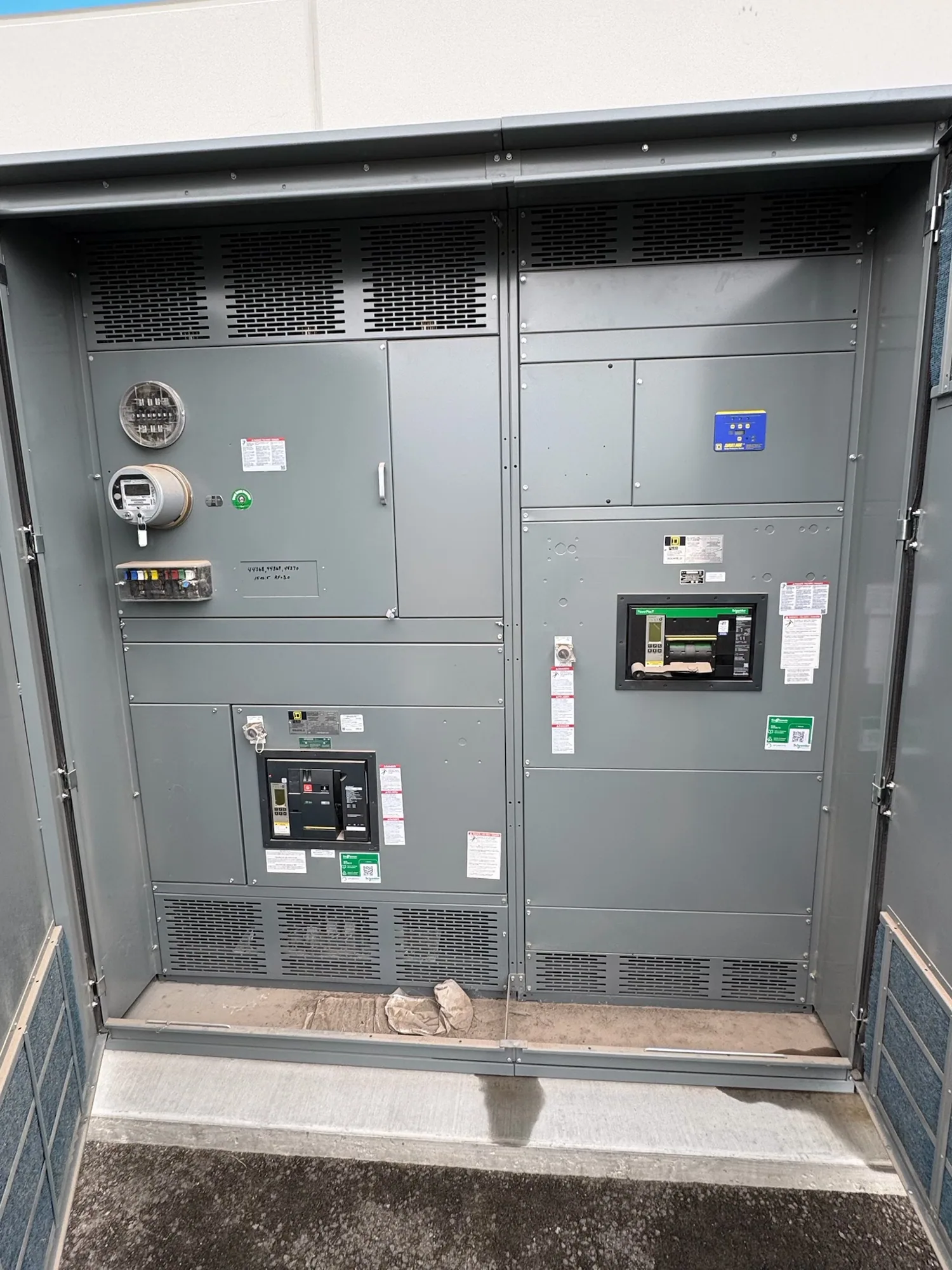
Fit the equipment to the process power system
Chemical processing facilities can combine continuous process loads, large motors, utility or generator sources, and distribution serving control and auxiliary systems. Metal-enclosed switchgear may be part of that system, but the product name alone does not define its construction, switching devices, voltage class, or capabilities. Begin with the one-line diagram and the function the equipment must perform, then match the assembly specification to the project engineer’s design.
For a hypothetical expansion, a buyer might need a new lineup serving process equipment while coordinating with existing distribution and planned outages. The first questions are where the lineup connects, what sources and loads it serves, and which operating or maintenance states must be supported. Those details establish the scope for a manufacturer’s quotation; they do not replace system studies, area classification, or installation planning by qualified project professionals.
Construction, location, and hazardous-area boundaries
“Metal-enclosed” is not, by itself, a complete construction specification or evidence that equipment is suitable for a particular environment. The buyer and responsible engineer should define the applicable equipment class, enclosure arrangement, access requirements, and project-specific ratings. They should also identify ambient conditions, indoor or outdoor placement, exposure to process contaminants, and any other environmental conditions that could affect the specified design.
Where classified locations may exist, establish the boundaries and hazard assessment with the responsible electrical and process-safety professionals. Confirm whether the proposed switchgear location is outside areas unsuitable for the specified equipment, or determine what equipment and installation requirements apply there. Do not assume an enclosure makes ordinary switchgear suitable for a classified location. The equipment scope, location drawings, and project requirements should agree before procurement proceeds.
Voltage, insulation, and system configuration
Specify the nominal system voltage and the equipment maximum voltage required by the design; they are related, but not interchangeable. Identify the system frequency, phase and wire arrangement, grounding method, and source configuration, including any normal, alternate, or generator supply. The project engineer should determine insulation requirements and applicable ratings from the actual system conditions. A voltage label alone cannot establish that a lineup is appropriate for the installation.
Distinguish equipment class carefully: 480 V class is low voltage, while 5 kV and 15 kV classes are medium voltage. Confirm the intended class and all required electrical ratings against the project specification rather than inferring a rating from an application name. A buyer should provide available fault-current and coordination information when established by the project team, while leaving engineering validation and design decisions to the responsible professionals.
Switching, grounding, and protective coordination
Switching devices and protective functions should reflect what each circuit must do, including motor starting or isolation needs, feeder protection, source transfer, and any interlocking or control requirements. List each incoming source, bus section, feeder, and major load, and identify which devices are part of the requested assembly. Avoid specifying a device by habit: the engineer must confirm that its function and ratings suit the system and the required operating sequence.
Grounding and protection need equal attention. Provide the project’s grounding approach and the available study or coordination requirements, if complete, so the proposed equipment can be reviewed against the intended design. Protective coordination depends on system data and selected devices; it should not be presumed from a generic lineup description. Identify who is responsible for studies, settings, and field verification, since manufacturer supply does not automatically include those engineering or site services.
Access, interfaces, and outage planning
Plan equipment placement around safe access, operating clearances, cable entry, routing, and maintenance approach as defined by the project documents and applicable procedures. Process areas can be congested, so provide room layouts, elevation details, and known obstructions. Confirm whether conductors enter from above or below, how the lineup connects to transformers or downstream distribution, and which control, communications, or auxiliary-power interfaces must be accommodated.
For a replacement or phased project, document existing connection points, verified dimensions, outage windows, and the sequence for removing old equipment and installing the new assembly. Do not assume a new lineup will fit or connect without field verification. Installation, testing, commissioning, and maintenance are performed by qualified personnel under applicable safety procedures; the purchase scope should state clearly which activities are by others and which, if any, are specifically included.
Build a useful chemical-processing RFQ
A focused request for quotation should include the one-line diagram, equipment location and environmental details, nominal and maximum voltage requirements, system configuration, available fault-current information, and requested ratings. Add the feeder and motor schedule, switching and protection functions, grounding requirements, cable entry and termination details, dimensions, and control or communication interfaces. Mark unresolved items for confirmation instead of treating assumptions as approved design criteria.
Also identify the project schedule, required submittal information, inspection or documentation expectations, shipping destination, and any site constraints that affect delivery coordination. South Carolina Switchgear Builders manufactures new switchgear and switchboards to specification, with US-built equipment, all-American components, and nationwide shipping. Availability and lead times depend on the order and must be confirmed. Before release, align the quotation with the responsible engineer’s approved requirements and the project team’s installation plan so the specified assembly, interfaces, and procurement scope are clear.