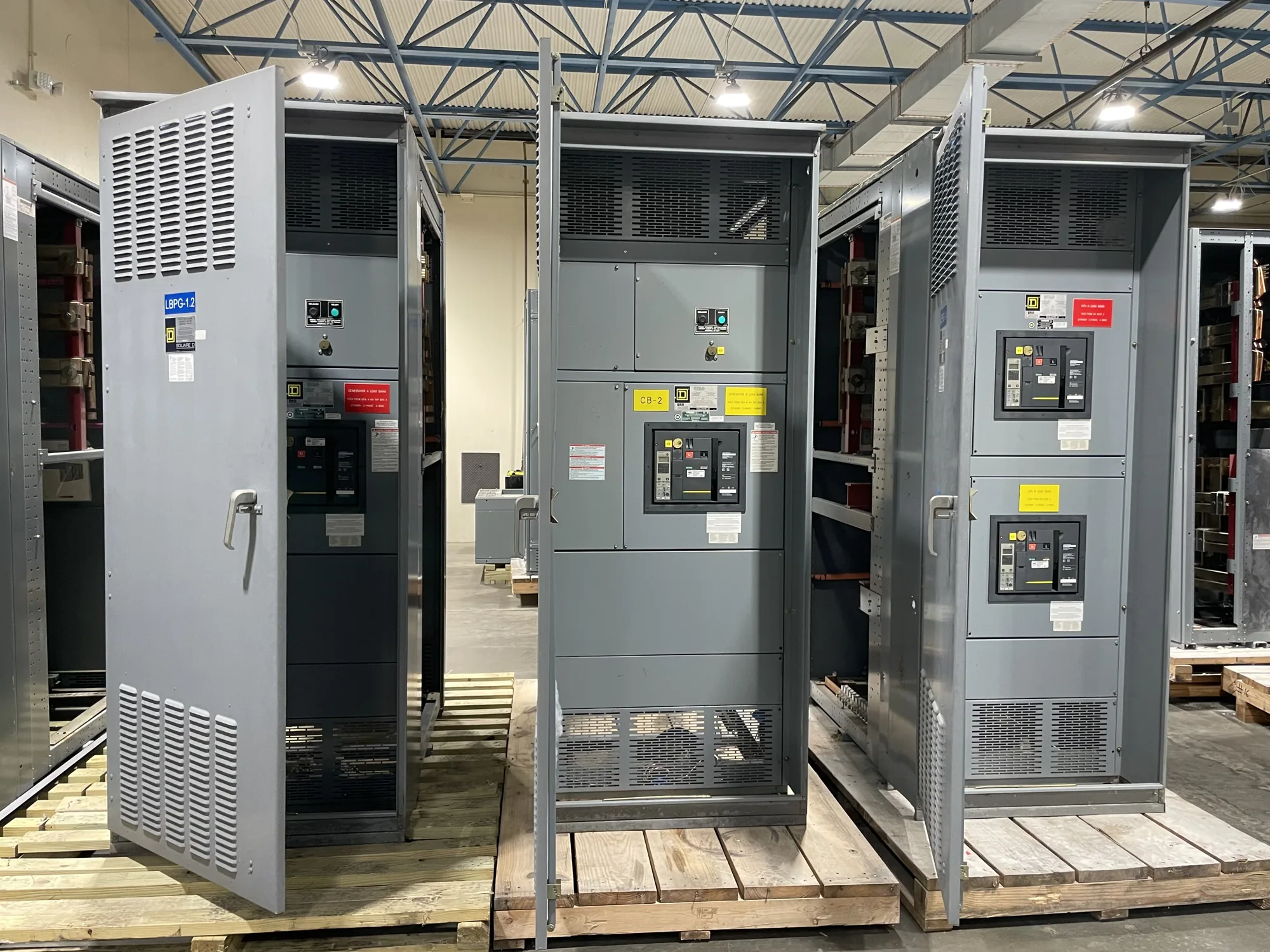
Where medium-voltage switchgear fits — Metal-Clad Switchgear for Aerospace Manufacturing
Aerospace manufacturing facilities can combine precision production equipment, test systems, building services and process support loads. A project engineer may consider medium-voltage metal-clad switchgear where the distribution plan calls for switching and protection at that voltage class. The equipment’s role depends on the facility one-line diagram, source arrangement, downstream transformers and operating plan—not on the industry label alone.
For quality-sensitive operations, the design discussion should begin with how electrical distribution supports production continuity and safe maintenance. Identify which loads can tolerate an interruption, which require a planned shutdown, and how operators will isolate or restore sections. These questions help define the lineup arrangement and protection interfaces. They do not establish that any particular configuration will prevent interruptions or suit every production process.
Compartmentalization and equipment access
Metal-clad construction uses separated compartments, with construction details subject to the applicable equipment requirements and specified design. Ask the manufacturer to identify the compartments and interfaces included in the proposed assembly, such as those for switching devices, bus and cable connections. Review how the specified arrangement relates to the project’s access, isolation and maintenance procedures; do not assume compartment boundaries alone determine safe work practices.
Removable devices may support planned equipment changes or maintenance strategies, but practical value depends on the actual device, cell arrangement, interlocks, access clearances and operating procedure. A phased expansion plan should identify future feeders, reserved spaces, control wiring and bus provisions before the lineup is finalized. Confirm which provisions are included in the new equipment and which require later engineering or construction. Any removal, inspection or maintenance belongs to qualified personnel following applicable safety procedures.
Protection coordination and process interfaces
Protection should be coordinated across the source, switchgear, transformers and downstream distribution using project-specific system information. Provide available fault-current data, protective-device details, transformer characteristics and the intended operating configurations to the responsible engineer. The engineer can evaluate protective settings and coordination objectives against the actual system. Do not treat a generic switchgear specification or a manufacturer quotation as a completed coordination study.
Map production and test loads to the distribution sections they depend on, including process support systems that may affect facility operation. Describe normal and alternate sources, transfer arrangements if applicable, monitoring points and required control interfaces. Clarify who supplies relays, metering, control power, communications and external wiring, and who verifies their integration. These interfaces can shape both the equipment scope and commissioning plan, so unresolved responsibilities should be recorded before purchase.
Current ratings and operating conditions
Continuous current selection starts with the expected load on each section and feeder, not simply the facility’s connected-load total. The responsible engineer should establish normal and anticipated operating currents, load growth assumptions, diversity, and any permitted overload conditions. Compare those needs with the proposed bus and device continuous-current ratings, and confirm that the ratings apply to the specified components and complete assembly.
Operating conditions can affect the suitability of a rating. Provide the planned equipment location and project-specific ambient temperature, altitude, enclosure and ventilation conditions, along with any unusual duty or loading pattern. Ask the manufacturer and project engineer to confirm whether adjustments or design changes are needed for the actual conditions. Do not infer usable current capacity from a catalog value without checking its stated basis and the complete project specification.
Information to prepare for a quotation
A useful purchasing package includes the one-line diagram, system voltage, source and grounding information, fault-current basis, load schedule, protection requirements and desired lineup arrangement. Include equipment location and environmental conditions, cable entry and termination expectations, control schematics or interface requirements, and any phasing constraints. Mark information that remains preliminary. Clear assumptions make it easier to identify design questions rather than allow them to become misunderstandings after an order is placed.
For aerospace projects, add a practical operating narrative: which production areas are served, how planned outages are scheduled, what loads are critical to test or process support, and whether future expansion is anticipated. State required drawings, submittal reviews, inspection or test documentation, and delivery coordination needs. Confirm the applicable project standards and whether any requested listing or testing applies to the specific design. Requirements and availability must be checked against the ordered equipment.
Purchase scope and project handoff
South Carolina Switchgear Builders manufactures and supplies new switchgear, custom to specification, with US-built equipment, all-American components and nationwide shipping. Short lead times may be available, but actual availability and delivery timing depend on the order and must be confirmed. The purchase discussion should distinguish the manufacturer’s equipment scope from engineering studies, field installation, cable work, commissioning and ongoing maintenance, which require separate responsibility and coordination.
Before release, align the approved drawings, ratings, protective-device schedule, accessory list, interface assignments and delivery requirements with the project team. Identify who will review submittals, resolve deviations and accept the final equipment documentation. Installation, testing and maintenance should be performed by qualified personnel under applicable safety procedures. With the electrical basis and handoffs settled early, buyers can evaluate the proposed lineup against production needs and make a better-informed equipment decision.