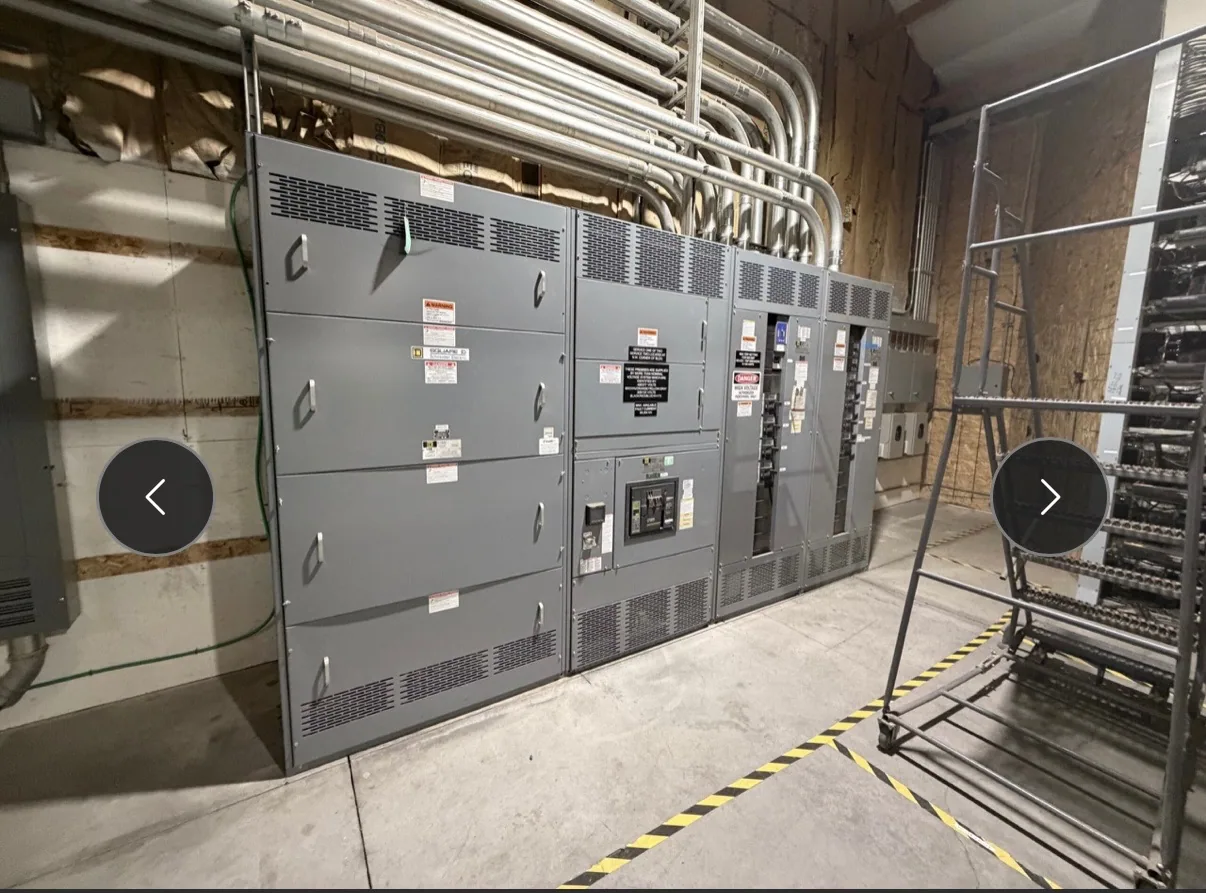
Where metal-clad switchgear fits — Metal-Clad Switchgear for Food and Beverage Facilities
Food and beverage plants can combine process motors, refrigeration equipment, pumps, packaging lines, and building services on one distribution system. A project may use medium-voltage metal-clad switchgear to receive or distribute power to transformers, motor-control equipment, or other downstream systems. The actual one-line diagram and voltage class determine whether this equipment belongs in the project; the application alone does not establish a suitable design.
Metal-clad construction uses separated compartments and removable devices as part of an equipment arrangement. Those features can support defined interfaces for switching, protection, inspection, and maintenance, but do not eliminate outage planning or make every task safe without isolation. The project engineer should establish the required functions, operating sequence, and protection scheme. South Carolina Switchgear Builders manufactures new equipment custom to specification and ships nationwide; the project documents govern what can be supplied.
Account for production and environmental conditions
Build the load picture around actual operating modes, not just equipment nameplates. Refrigeration may run continuously while process and packaging motors start, stop, or operate in coordinated sequences. Identify normal, peak, standby, and future loads, along with motor starting requirements and any planned transfers between sources. These details help the responsible engineer assess system loading and protection without assuming that a single peak figure describes every operating condition.
Washdown and sanitation practices deserve specific attention even when switchgear is located outside the production room. Confirm the electrical room location, nearby cleaning processes, likely moisture or chemical exposure, ambient conditions, ventilation, and any enclosure or room requirements. Metal-clad construction does not itself establish suitability for direct washdown. The equipment specification should define the environment and the required interfaces; verify with the project engineer whether separation, room controls, or other measures are needed.
Use compartments and removable devices deliberately
Compartmentalization can organize bus, switching, and cable or instrument connections, depending on the specified design. Removable breakers or other devices may support inspection or replacement procedures, but compatibility, access, and safe work boundaries must be confirmed for the actual assembly. Ask which components are removable, what tools and clearances are required, and whether the planned maintenance approach fits the room layout and the facility’s outage windows.
For production continuity, map each switchgear function to the loads it serves and identify the consequence of taking that section out of service. Consider whether critical refrigeration, process controls, or packaging lines have alternate feeds or planned shutdown sequences. Protection settings, interlocks, metering, and control interfaces should reflect the approved system design. Qualified personnel must perform installation, testing, and maintenance under applicable safety procedures; equipment selection is not a substitute for a site-specific operating plan.
Resolve continuous-current and thermal questions
Continuous-current selection requires more than adding motor nameplate currents. Establish the expected simultaneous load, operating duty, transformer and feeder arrangement, and the intended normal and future demand. Then coordinate the required continuous-current ratings for the bus and switching devices with the system design. Do not assume that a device rating alone establishes the rating or capability of the complete assembly.
Ask the responsible engineer to review ambient temperature, elevation where relevant, enclosure and room ventilation, conductor arrangement, and other conditions that may affect applicable ratings. Confirm any derating or temperature limits against the proposed design and manufacturer documentation rather than applying a generic adjustment. If operating conditions vary by season or production schedule, provide that context. Ratings, available configurations, and listing applicability must be verified for the specific equipment and specification.
Prepare a food and beverage project scope
A useful inquiry includes the one-line diagram, system voltage, source and transformer information, fault-duty requirements, and the intended lineup arrangement. Add load schedules for refrigeration, process motors, pumps, and packaging, identifying starting or sequencing needs where known. Specify bus and device current ratings, protection and metering functions, control voltage and interfaces, cable entry preferences, room dimensions, and any required future provisions. Mark unresolved items so they can be coordinated rather than silently assumed.
Describe sanitation-related exposure and the proposed switchgear location, including room conditions and access constraints. Provide the planned outage window, delivery destination, requested documentation, and project milestones. Availability and actual lead times depend on the order and must be confirmed. Sharing the equipment scope alongside the facility conditions helps South Carolina Switchgear Builders assess a new custom-to-specification supply proposal without confusing manufacturing scope with engineering or field work.
Coordinate supply with the project team
Before release, have the engineer of record and facility stakeholders align the electrical design, equipment interfaces, protection requirements, and installation responsibilities. Confirm which party supplies drawings and settings, who coordinates upstream and downstream equipment, and what documentation is required for review. Any applicable listing, testing, ratings, and standards need confirmation against the actual design and supplied assembly; no general product description can establish them for a particular order.
The manufacturer’s role is to build and supply equipment to the agreed specification. Engineering approval, site preparation, installation, commissioning, and ongoing maintenance should be assigned to the responsible project professionals and qualified personnel. With production loads, sanitation exposure, current ratings, room constraints, and outage priorities documented early, the team can evaluate a suitable medium-voltage metal-clad switchgear scope for the facility and coordinate a more complete purchase inquiry.