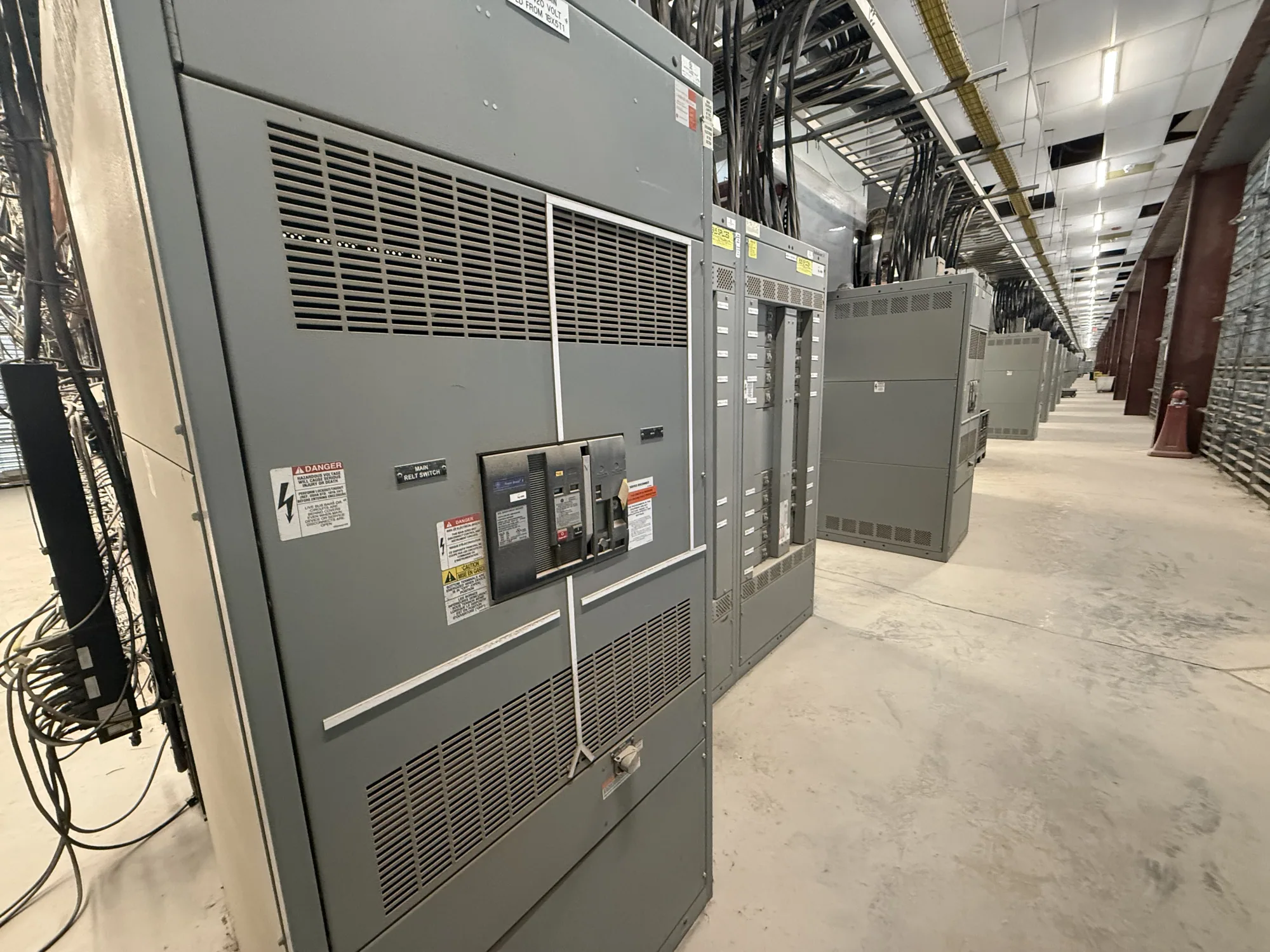
Where metal-clad switchgear fits — Metal-Clad Switchgear for Pharmaceutical and Biotech Facilities
Pharmaceutical and biotech facilities may rely on electrical systems serving process utilities, environmental controls, laboratories, production areas and building services. A project might add capacity for new process equipment, replace aging distribution gear, or coordinate a facility expansion. In each case, medium-voltage metal-clad switchgear can form part of the distribution system between the incoming supply and downstream equipment. Its role and configuration must follow the project’s one-line diagram and engineering requirements.
These facilities can have demanding operational and documentation needs, but the equipment specification should not assume that every load has the same criticality or continuity requirement. The owner’s electrical engineer should identify which sources, feeders and loads require particular switching or protection arrangements, and how planned outages can be coordinated. Switchgear is one component of that system; it does not by itself establish process continuity, environmental control or regulatory compliance.
Compartmentalization and operating interfaces
Metal-clad construction uses separated compartments and removable devices as defined by the applicable design and specification. For a facility with controlled areas or validated processes, these features are relevant to how equipment is arranged, accessed and documented—not a substitute for the site’s contamination controls or operating procedures. Buyers should request drawings that show the proposed lineup, device locations, cable or bus interfaces, and the boundaries between the equipment and other project scopes.
Protection and control interfaces also deserve early attention. Confirm the required relays, instrument transformers, control power, metering, communications and external trip or status points against the project documents. Determine which items are included in the equipment supply and which belong to the engineer, integrator or other contractor. A clear interface schedule helps reviewers assess how the lineup will connect to the facility’s electrical and control systems without presuming a particular automation platform or operating sequence.
Resolve voltage and system requirements
Start with the nominal system voltage, but do not treat that value as the only selection input. The project engineer should establish the required equipment maximum voltage, insulation requirements, grounding method, frequency, bus configuration and system conditions. Confirm these against the source, transformer data and one-line diagram. Voltage class terminology alone does not establish an acceptable design, and a manufacturer should evaluate the complete stated requirements before confirming a proposed configuration.
Protection depends on more than voltage. The specification should address available fault information, required interrupting and momentary capabilities, protective-device coordination, and the intended operating arrangement. These values and duties must come from project engineering documents or be resolved by the responsible engineer; do not infer them from a facility type. Ask the manufacturer to identify any assumptions, exceptions or missing information that affect equipment selection, ratings or the proposed assembly.
Change control and maintenance planning
Regulated operations often depend on controlled revisions to facility documents and equipment interfaces. Treat switchgear submittals as part of the project’s change-control process: identify drawing revision, equipment tags, lineup arrangement, control schematics and interface schedules, then route them through the designated review and approval steps. If the project changes after approval, clarify how revised requirements will be evaluated and documented before the equipment is released for manufacture.
Plan maintenance access and outage windows while the arrangement is still being reviewed. Discuss working clearances, access routes, device handling and the site’s intended isolation boundaries with the project engineer and qualified installation and maintenance personnel. Removable devices may affect maintenance planning, but they do not eliminate the need for safe isolation, approved procedures or qualified personnel. The equipment manufacturer can define supplied equipment interfaces; site-specific work planning remains with the responsible project parties.
Build a useful purchasing scope
For a quotation, provide the one-line diagram, voltage and system data, load or feeder schedule, fault-duty requirements, protection criteria and the desired lineup arrangement. Include applicable project specifications, drawing standards, environmental conditions, cable entry preferences, control and communication points, and required submittal documents. Identify the project location, requested delivery window and approval milestones so availability and timing can be reviewed against the actual order rather than assumed.
Also state what the purchase should include: switchgear sections, devices, relays, metering, control wiring, accessories and documentation, as applicable. Flag required testing, listing or standards by name, but ask that applicability be confirmed for the specific design. The quotation should make inclusions, exclusions and open technical questions visible. This is especially useful when process, facilities, controls and electrical teams review the same package under different document workflows.
Coordinate supply with the project team
South Carolina Switchgear Builders manufactures new switchgear and supplies it for projects in South Carolina and nationwide. Equipment can be built to specification; actual configuration, availability and lead time depend on the order and require confirmation. Manufacturer supply is distinct from engineering of the facility system, installation, commissioning and field maintenance. Assign those responsibilities explicitly among the owner, engineer, electrical contractor and other project participants.
A well-defined scope gives reviewers a practical basis to assess fit before procurement: confirm system requirements, document interfaces, identify approval gates and align delivery expectations with the construction schedule. With those inputs resolved, the project team can evaluate a proposed metal-clad lineup for its intended medium-voltage application and coordinate the purchase with process and facility plans. All installation, testing and maintenance should be performed by qualified personnel following applicable project and safety procedures.