Where motor control centers fit in resort facilities
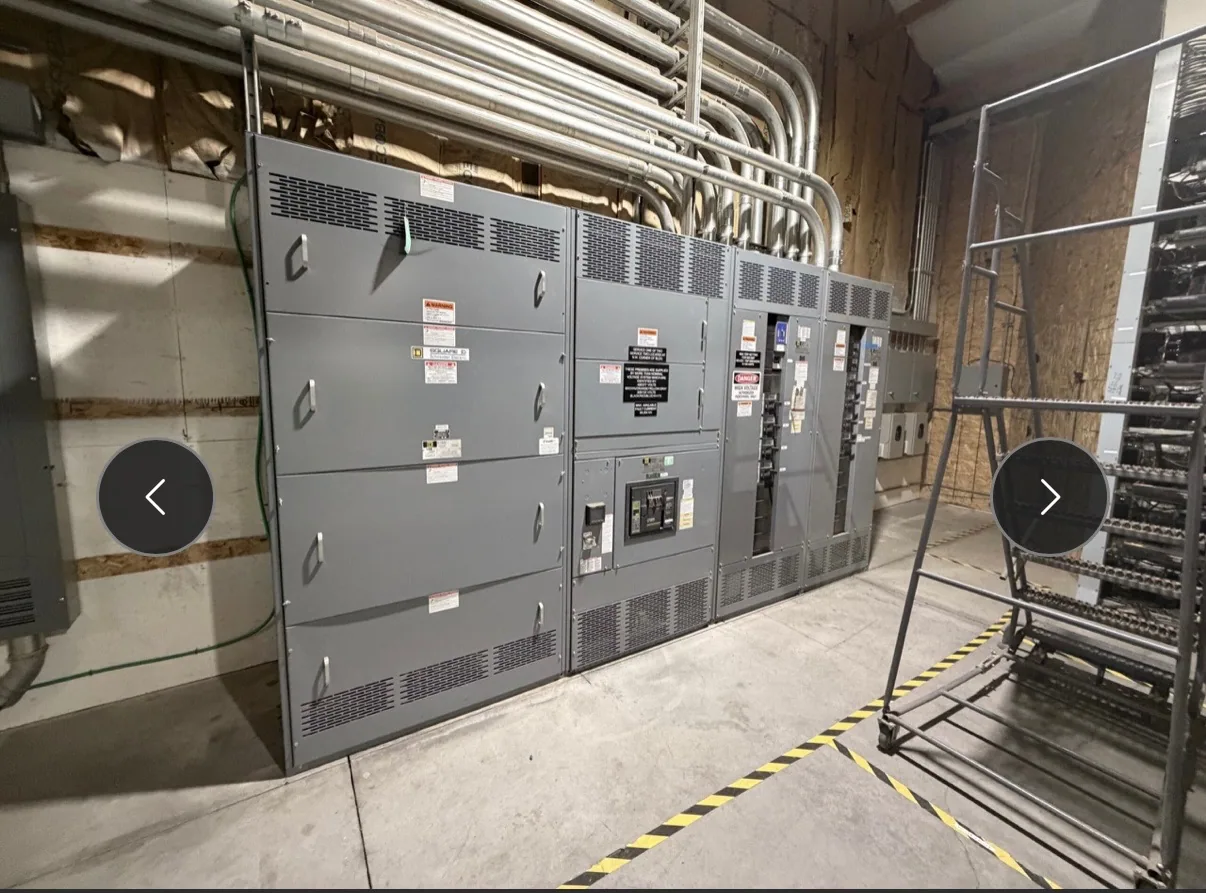
A hospitality property may rely on pumps, fans, kitchen equipment, laundry systems, water features and building mechanical loads to support guest operations. A motor control center (MCC) groups motor branch-circuit and control equipment in an assembly; it is not a synonym for all switchgear or a substitute for the facility’s complete distribution design. Whether an MCC suits a particular group of loads depends on the one-line diagram, operating requirements and project engineer’s design.
Consider a hypothetical resort with a central mechanical room, separate service areas and seasonal changes in occupancy. Some motors may operate continuously, while others serve intermittent or scheduled functions. The useful starting point is not a generic “resort” configuration, but a load schedule that identifies each motor, its control needs, operating pattern and location. That makes equipment scope more specific and helps prevent assumptions about demand or future use from driving an unsuitable arrangement.
Translate operations into motor and control requirements
For each motor, document the supplied nameplate information, connected load, starting method, expected duty and any required control or monitoring interfaces. The responsible engineer should determine the appropriate starter or drive, branch protection and coordination with upstream equipment. A variable-frequency drive may support a required speed-control strategy, but its suitability, associated components and effects on the electrical system must be evaluated for the actual motor and application.
Seasonality deserves particular attention. A property may have occupancy peaks, scheduled shutdown periods or equipment that runs differently during maintenance or low-demand seasons. Describe normal, peak and reduced operating conditions rather than treating one snapshot as the full design basis. Identify which loads must remain available during planned work, how equipment is sequenced, and whether any operational constraints limit the timing or duration of an outage.
Current ratings, heat and environmental conditions
Continuous current rating is one part of selection, not a stand-alone measure of whether an assembly fits. The engineer and manufacturer need the expected load, bus requirements, device ratings, enclosure arrangement and applicable design conditions to assess a proposed MCC. Distinguish motor full-load information from the aggregate operating assumptions used for the lineup. Confirm how simultaneous operation, starting requirements and planned expansion are represented in the project documents.
Temperature and installation conditions can affect equipment selection and rating. Provide the actual room or installation environment, ventilation assumptions, enclosure location and any known heat sources. If the equipment will be in a coastal area, describe the specific exposure—such as indoor placement, salt-laden air, moisture or outdoor conditions—rather than relying on geography alone. The project team should confirm what environmental provisions are required; do not assume a particular enclosure or corrosion treatment is appropriate without that review.
Protection, drives and interfaces
Coordinate motor branch protection with the motor data, starter or drive selection, available system information and upstream protective devices. The project engineer should resolve protection and coordination requirements for the actual installation. Where drives are proposed, identify control signals, communications, bypass expectations if any, harmonic or power-quality concerns for review, and the physical arrangement needed for access and heat management. These are specification questions, not universal features of every MCC.
List the interfaces between the MCC and the rest of the facility: incoming supply, feeder connections, control wiring, building systems, alarms and any required interlocks. Include equipment-room access and routing constraints, existing gear interfaces and the sequence for isolating or reconnecting loads. If an outage window is limited by guest operations, state that early so the project team can coordinate scope and schedule. Do not treat the equipment supplier’s scope as installation or field commissioning.
Plan for maintainability and future loads
Future capacity should be based on a documented plan, not an arbitrary allowance. Identify anticipated motors or operational changes, the space available for the assembly, and whether spare sections or provisions are part of the requested scope. Ask the engineer to define the intended electrical and physical provisions and verify that they suit the actual design. Consider access for qualified personnel and the facility’s maintenance procedures when choosing lineup placement and arrangement.
For an operating resort, maintainability also means understanding which functions depend on each motor group and what happens when equipment is unavailable. Share any preferred separation of critical and noncritical loads, operational sequences, and maintenance restrictions with the design team. These details can influence grouping and control strategy, but they do not establish a specific configuration on their own. The final design should reflect the project documents and the owner’s operating priorities.
Prepare a useful purchase specification
A quote request should include the one-line diagram, motor and load schedules, system voltage and available fault-current information where established, requested starter or drive types, control requirements, environmental conditions, lineup dimensions or room constraints, and project schedule needs. Provide applicable specifications and identify unresolved engineering decisions. State the requested continuous current and device ratings only as defined by the responsible project documents; ask for confirmation where ratings or conditions remain undecided.
South Carolina Switchgear Builders manufactures new motor control centers to specification, with US-built equipment and all-American components, and ships nationwide. Availability and actual lead times depend on the order and must be confirmed. A complete inquiry also clarifies the requested equipment scope, connection details, documentation expectations and delivery location. The manufacturer’s supply should be distinguished from project engineering, installation, testing and field services, which belong to the responsible project parties and qualified personnel.
Coordinate decisions before release
Before approving a final equipment submittal, have the project team reconcile the motor schedule, protection requirements, ratings, environmental assumptions, physical layout and interfaces. Confirm any listing or standards requirements against the specific assembly and its design rather than assuming they apply automatically. Resolve open questions about seasonal operating modes and outage constraints before fabrication planning. Clear, coordinated inputs help the manufacturer prepare equipment that aligns with the documented project needs and give the owner a more useful basis for comparing proposals.