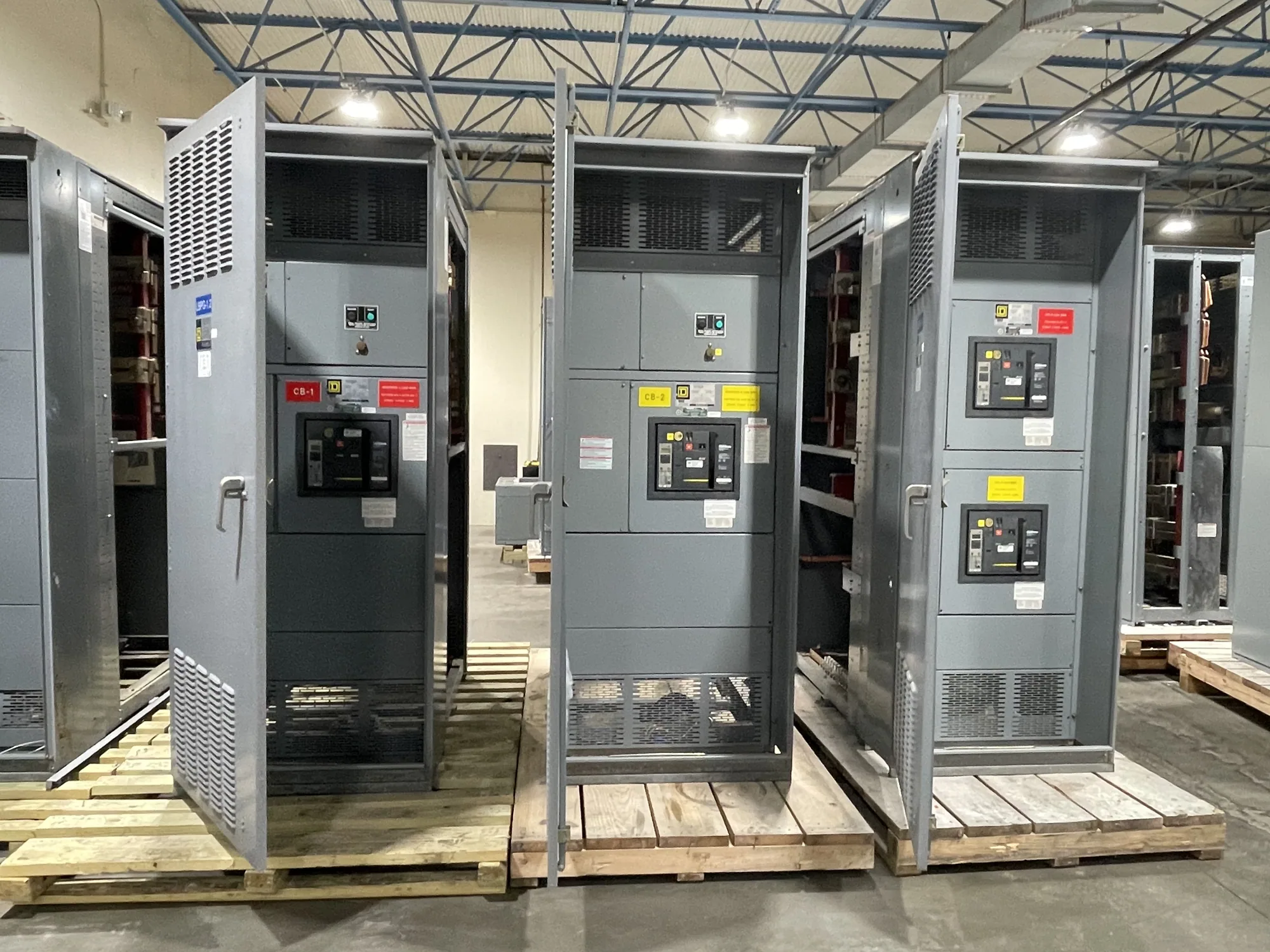
Fit the equipment to the production plan
Automotive manufacturing sites can combine production lines, motor-driven equipment, material handling, utilities, and future expansion areas. When new switchgear is planned for an outdoor location, the central question is not simply whether equipment can be placed outside. The project team must define which loads it will serve, how those loads relate to production, and what operating conditions the equipment must meet.
A useful starting point is a one-line diagram or an equivalent description of the intended distribution arrangement. Identify the source, downstream feeders, major motor loads, critical production areas, and any planned tie-ins. Clarify whether the equipment supports a new line, replaces an existing distribution point, or provides capacity for a later phase. These distinctions affect compartmentation, feeder quantities, controls, and provisions for expansion.
Specify the outdoor environment
Describe the actual installation site rather than relying on the word “outdoor.” Provide expected ambient conditions, exposure to rain or wind-driven moisture, sunlight, dust, airborne process residue, and nearby washdown or chemical activity where relevant. The responsible project engineer should determine the required enclosure construction and environmental provisions from these conditions and the applicable project requirements.
Moisture management deserves particular attention where temperature swings, condensation, or water entry could affect reliable operation. Discuss enclosure design, drainage, ventilation or other temperature-control needs, and any internal space heaters or controls as specification questions—not assumptions. Also identify nearby exhausts, cooling equipment, traffic routes, and maintenance activities that could affect the location. The selected configuration and available options must be confirmed against the actual design.
Plan foundations, access, and maintenance
Coordinate the equipment footprint and mounting arrangement with the civil and electrical plans. Buyers should provide the proposed location, foundation concept, cable entry direction, conduit or duct-bank interfaces, and any known access restrictions. The project team must confirm foundation loads, dimensions, anchorage, and clearances for the selected assembly; these are design-specific details, not universal values.
Access is an operating requirement as well as a layout concern. Consider how qualified personnel will reach doors and operating points, remove or service components, and work safely without obstructing production routes. For a plant with staged outages, identify which distribution sections can be isolated separately and what interruptions each phase can tolerate. Feeder segregation and section arrangement may support maintainability, but the responsible engineer must reconcile them with the electrical scheme and operating procedures.
Match current ratings to real operating demand
Do not size equipment from a rough estimate of total plant demand alone. Provide normal and expected peak loads, motor information, duty cycles, diversity assumptions, planned additions, and the source characteristics available to the project engineer. The engineer can use this information to establish required bus and device current ratings and evaluate operating temperature and any applicable derating conditions for the proposed installation.
Continuous current rating is one part of the selection, not a substitute for a complete electrical specification. Confirm how the expected load is distributed among sections and feeders, whether large motors start or operate in combinations, and how future production phases change the load profile. Ask the responsible engineer to document the assumptions and verify each device and bus rating against the actual design. Do not infer a rating from enclosure size or a similar installation.
Coordinate outages and future expansion
Automotive production schedules can make the sequence of connection and cutover as important as the final arrangement. Share planned shutdown windows, commissioning dependencies, temporary operating constraints, and the order in which production areas can be interrupted. The manufacturer can build to a confirmed specification, but outage planning, system studies, field installation, testing, and energization require coordination by the owner’s project team and qualified contractors.
For expansion, distinguish spare physical space from electrical capacity. State which future feeders or sections are anticipated, when they may be needed, and whether the project calls for defined provisions now. Those choices can affect dimensions, bus arrangement, interfaces, and cost. Any future-use assumptions should be reviewed by the responsible engineer before they are incorporated into the equipment scope.
Prepare a complete purchasing scope
For a useful quotation, provide the single-line diagram, system voltage and source details, required ratings, feeder schedule, load data, site environmental conditions, enclosure requirements, cable-entry preferences, control and metering needs, and applicable project specifications. Include the installation location, target delivery milestones, phasing plan, and known interface responsibilities. Identify any required listing or testing explicitly; applicability must be verified for the particular assembly and specification.
South Carolina Switchgear Builders manufactures new switchgear and can configure equipment to specification, with US-built equipment, all-American components, and nationwide shipping. Availability and lead time depend on the confirmed order and must be verified for the project. The purchase scope should state what equipment is supplied and who is responsible for engineering approval, foundations, installation, field connections, inspection, and commissioning. Clear boundaries help the plant team coordinate equipment delivery with construction and production schedules.
Resolve open questions before release
Before approving the equipment documents, have the project engineer reconcile the ratings, one-line arrangement, environmental requirements, physical interfaces, and expansion provisions. Confirm that feeder labels and section designations match the plant’s intended operating plan, and that the supplied configuration reflects the agreed scope. Changes to loads, site conditions, or schedules should be reviewed before they are treated as final requirements.
A well-defined outdoor switchgear package begins with production needs and site facts, then translates them into a verified equipment specification and coordinated purchase. With load assumptions, outage constraints, access, and responsibilities documented early, automotive plant teams can evaluate new distribution equipment on the details that matter to their project—not on a generic enclosure description.