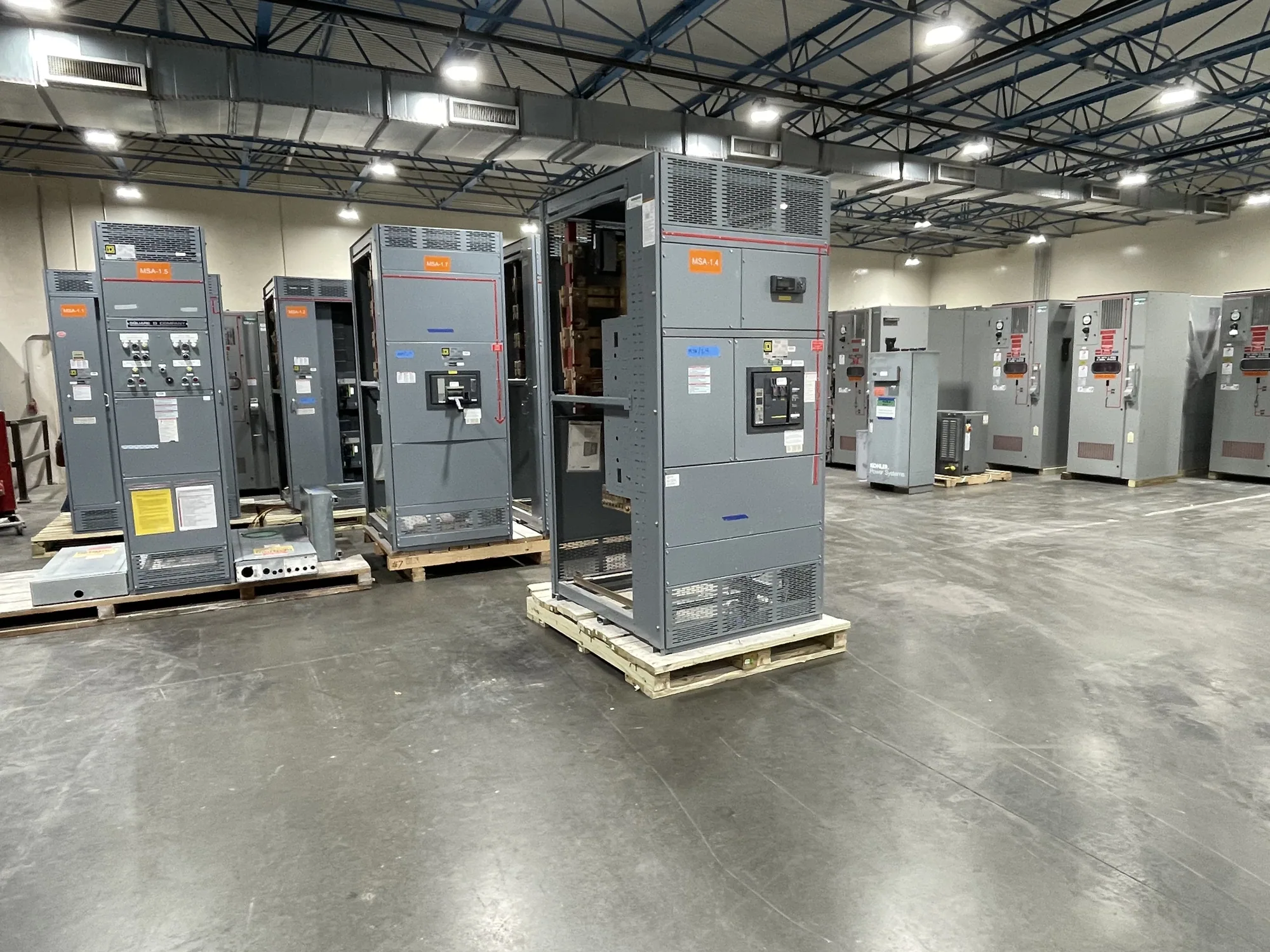
Define the outdoor distribution role
A chemical processing project may need outdoor distribution for process areas, motor loads, utility interfaces, or equipment located away from indoor electrical rooms. Start by defining which loads the switchgear must serve and how it fits into the one-line diagram. Outdoor placement can affect enclosure requirements, cable routing, foundations, protection, and maintenance access; it does not by itself establish that a location is suitable for the equipment.
Map the proposed installation against process equipment, buildings, pipe racks, vehicle routes, drainage, and classified-area boundaries. The responsible project engineer and site safety team should assess hazardous locations and determine whether the proposed equipment location and configuration are appropriate. Keep the electrical distribution scope distinct from process controls and field devices, while identifying any control power, communications, interlocks, or other interfaces that the specified assembly must accommodate.
Evaluate exposure and enclosure requirements
Outdoor enclosures need to be selected for the actual site conditions and specified design. Provide information about rain, humidity, condensation, temperature variation, windblown dust, corrosive substances, washdown practices, and any salt or chemical exposure relevant to the installation. Ask the manufacturer to confirm what enclosure construction and environmental provisions can be offered for the project. Do not assume that a general-purpose outdoor designation addresses every chemical-processing exposure.
Moisture management deserves particular attention where equipment may experience changing temperatures or humid air. Discuss any specified space heaters, ventilation approach, condensation controls, internal segregation, and cable-entry arrangement with the design team and manufacturer. These choices can affect enclosure layout, power requirements, and maintenance. The project specification should state the required environmental conditions and design expectations; any proposed configuration, ratings, and performance must be confirmed for the specific equipment.
Coordinate hazardous areas and protection
Do not use switchgear placement as a substitute for a documented hazard assessment. Provide current area-classification drawings and identify boundaries, adjacent process equipment, and any constraints on installation. The responsible engineer should determine whether the location is outside classified areas or specify the measures required for the equipment and installation. The manufacturer can review the stated requirements for product fit, but site classification and installation decisions remain with the project’s qualified design professionals.
Protection should be coordinated with the system and connected loads, not selected from a generic motor or process description. Share available fault information, grounding method, upstream protective devices, motor starting characteristics where applicable, and the intended protection and coordination criteria. Identify expected operating modes, alternate sources, and interconnections. The engineer of record should resolve protection settings and coordination; the equipment scope should clearly identify required protective devices and interfaces for the manufacturer to evaluate.
Resolve voltage and system configuration
State the nominal system voltage and the equipment voltage class required by the project, then ask the responsible engineer to confirm equipment maximum voltage, insulation requirements, and system configuration. These terms are related but not interchangeable. Include the number of phases and wires, frequency, grounding arrangement, source characteristics, and any transition between voltage levels. Do not infer a switchgear rating from a motor nameplate or a site’s general service description.
For example, a 480 V class application is low voltage, while 5 kV and 15 kV class applications are medium voltage. These examples do not determine the correct equipment for a facility; the actual system data and specification do. Confirm whether the requested product is switchgear or a low-voltage switchboard, and specify applicable construction, listing, and standards requirements. Any ratings, listing applicability, and assembly details must be verified against the specific proposed design.
Plan foundations, interfaces, and access
Outdoor equipment depends on coordinated civil and electrical details. Provide the available footprint, foundation design criteria, conduit or cable-entry locations, cable types and directions, grounding provisions, and clearances required by the project. Identify nearby drainage paths and the risk of standing water, along with barriers or traffic exposure that could affect placement. The site’s civil and electrical teams should confirm foundation, anchorage, routing, and installation details before equipment release.
Plan for qualified personnel to operate and maintain the equipment under the applicable site procedures. Consider working clearances, door swing, access routes, lifting and replacement space, lighting, and the relationship to adjacent process operations. Share planned outage windows, tie-in boundaries, and any staging or delivery constraints early. These details can influence arrangement and project sequencing, but field installation, testing, commissioning, and maintenance are separate responsibilities from manufacturer equipment supply.
Prepare a project-ready purchase scope
A useful RFQ package includes the one-line diagram, load schedule, voltage and grounding data, fault information, protection criteria, classified-area documentation, environmental conditions, site layout, foundation and cable-entry requirements, and applicable project specifications. Add the required equipment scope, interfaces, preferred arrangement, submittal expectations, and target delivery window. Clearly identify open engineering decisions instead of treating assumptions as confirmed requirements.
South Carolina Switchgear Builders manufactures new equipment in the United States, uses all-American components, and can configure equipment to specification. Nationwide shipping is available, while availability and actual lead times depend on the order and must be confirmed. Review the proposed scope, ratings, interfaces, delivery schedule, and any listing or testing requirements against the project documents before purchase. A complete, coordinated specification gives the manufacturer a sound basis to assess the requested equipment and helps the project team plan the remaining engineering and site work.