Plan around guest operations and electrical scope
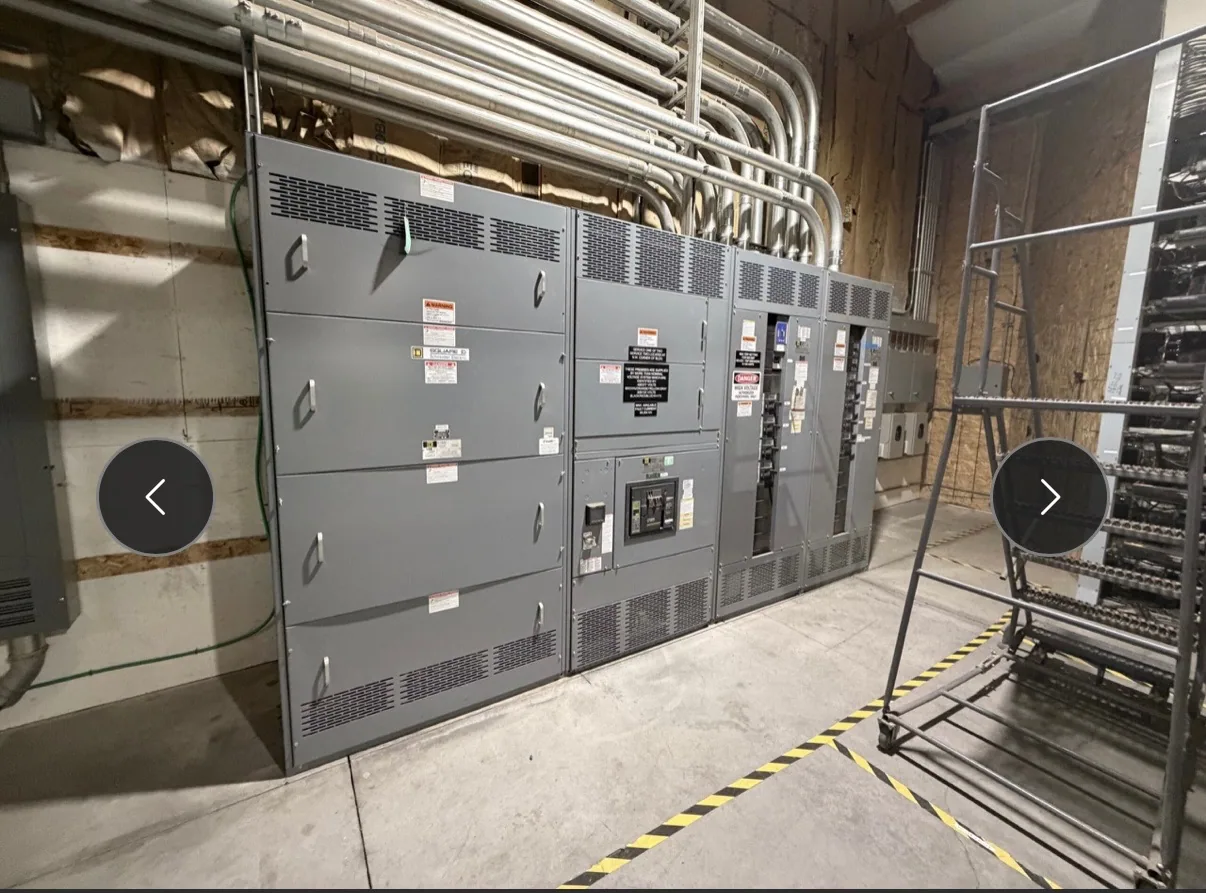
Hotels, resorts, and destination properties can combine guest rooms, kitchens, laundry, pools, event spaces, and substantial mechanical systems. Outdoor switchgear may form part of the distribution plan where project engineers specify equipment for an exterior location. Begin by identifying which loads the equipment will serve, how they relate to existing distribution, and what operating conditions matter—not by assuming every property needs the same arrangement.
Seasonal occupancy can change demand, while events, weather, and maintenance schedules may affect when electrical work is practical. Document expected operating modes and known peak periods for the responsible engineer to assess. If an outage could affect guests, food service, elevators, life-safety systems, or building controls, identify those interfaces early. Equipment procurement alone does not establish an outage plan or determine how a facility remains operational during work.
Match enclosure and site details to exposure
“Outdoor” is not a complete environmental specification. Describe the proposed location, including rain exposure, wind-driven moisture, humidity, salt air where relevant, temperature range, direct sun, dust, landscaping, and any nearby process or pool chemicals. Coastal exposure deserves particular attention because the actual conditions and project requirements should guide material and enclosure decisions. The project engineer and manufacturer should confirm whether the proposed design addresses the documented site.
Moisture management also depends on installation details. Confirm the intended enclosure construction, entry points for conduits and cables, drainage provisions, and any condensation-control approach required by the design. Avoid assumptions based solely on a general enclosure label or an equipment description. Provide site photographs or drawings where available, and ask which environmental conditions the proposed configuration is designed to accommodate. Final suitability depends on the actual specification and supplied assembly.
Coordinate foundations, clearances, and access
Outdoor equipment needs a coordinated physical location, not just a spot on a one-line diagram. Share the planned foundation or housekeeping pad, finished grade, cable approach, conduit routing, drainage, and nearby structures. The project team should verify equipment dimensions and connection locations against civil and electrical drawings before foundation work proceeds. Clearances, anchorage, lifting access, and working space must be resolved for the actual equipment and applicable project requirements.
Consider how qualified personnel will reach the equipment for inspection and maintenance without conflicting with guest circulation, landscaping, service vehicles, or event areas. Snow and ice may be less central at some South Carolina sites, but standing water, irrigation spray, leaves, and restricted access can still affect the location. Confirm who is responsible for site preparation, placement, anchoring, cable termination, testing, and commissioning; these duties are not automatically included in equipment manufacture or supply.
Specify loads and continuous-current requirements
Provide the voltage class, system arrangement, available fault information, one-line diagram, and load schedule for engineering review. For hospitality properties, identify major mechanical loads, kitchens, laundry, pumps, pool equipment, event facilities, and any planned additions. Separate normal, standby, and future loads where the project design does so. Seasonal occupancy assumptions should be documented rather than treated as a substitute for a calculated load assessment.
Continuous-current selection involves more than choosing a number from a catalog. The responsible engineer should determine expected load current and coordinate the bus and device ratings with system design, ambient operating temperature, enclosure conditions, loading duration, and any applicable derating considerations. Ask how the proposed ratings apply to the complete assembly and its specified environment. Ratings and availability must be confirmed against the actual design; no generic value can establish suitability for a particular resort.
Plan outage timing and system interfaces
Map the equipment’s relationship to utility service, transformers, generators, transfer equipment, downstream panels, and building control systems as applicable. Identify existing gear that must remain in service and any phasing constraints. Where a project has backup power, describe the intended operating sequence and interfaces for the design team to review; do not assume that new outdoor switchgear automatically provides transfer capability, redundancy, or uninterrupted service.
Discuss outage windows with facility operations before finalizing procurement and construction sequencing. Resort calendars, seasonal peaks, renovations, and event commitments may limit access or shutdown opportunities. Clarify whether temporary arrangements are required and who will design and execute them. Installation, testing, and maintenance should be performed by qualified personnel following applicable safety procedures. The manufacturer can supply equipment to an approved specification, while field planning and execution remain coordinated project responsibilities.
Prepare a useful purchase specification
A focused request for quotation should include the one-line diagram, voltage class, required bus and device ratings, fault-duty information, enclosure and environmental requirements, cable entry preferences, drawings, and requested accessories. Add site conditions, foundation constraints, operating modes, seasonal load assumptions, required submittal documents, and target delivery milestones. State any project-specific listing, testing, or standards requirements for confirmation; applicability depends on the equipment design and supplied assembly.
South Carolina Switchgear Builders manufactures new switchgear and switchboards in the United States, uses all-American components, offers custom configurations to specification, and ships nationwide. Short lead times may be available, but availability and actual timing depend on the order and must be confirmed. Provide a complete scope and identify design decisions still pending so the manufacturer can clarify what can be supplied and what requires project-team resolution.
Align responsibilities before release
Before approving submittals or releasing an order, confirm that the equipment description matches the engineered drawings, site conditions, interfaces, ratings, and agreed scope. Resolve who will review drawings, prepare the foundation, coordinate delivery and offloading, install and connect the assembly, and conduct field acceptance activities. Record any exclusions and dependencies in the project documents so procurement does not leave critical work unassigned.
For hospitality and resort applications, the strongest specification connects electrical requirements with the realities of guest operations and the outdoor site. Provide accurate load and environmental information, flag outage constraints, and have the responsible engineer resolve design questions before equipment release. This makes the manufacturing scope clearer and gives the project team a sound basis for coordinating delivery, installation, and commissioning around the property’s operating calendar.