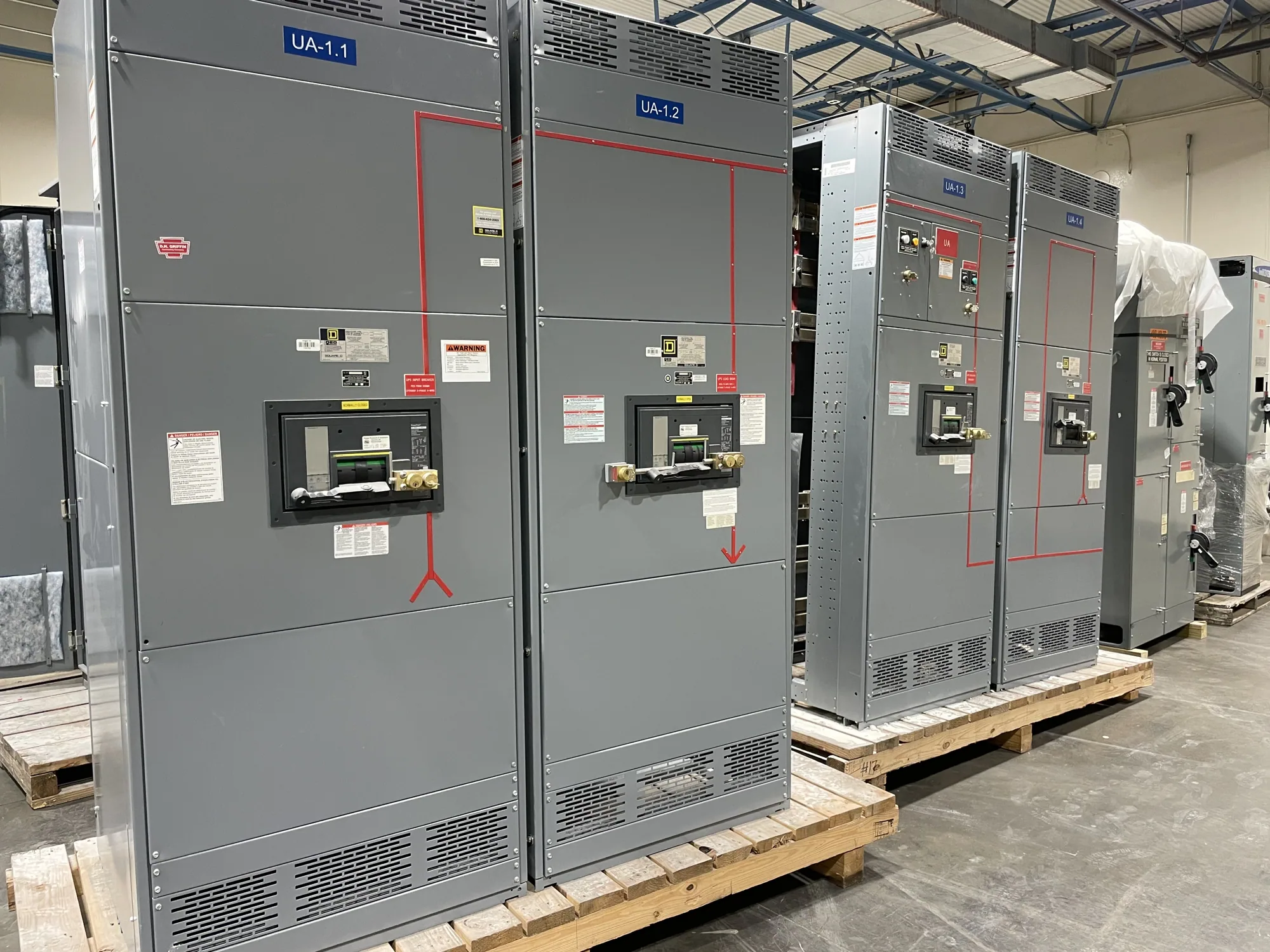
Panelboards within a multi-building campus
A commercial campus may include offices, classrooms, dining areas, laboratories, lodging or other buildings, each with distinct schedules and electrical demands. Power distribution panelboards serve branch circuits within that distribution system; they are a separate equipment category from switchgear. A project team should map how utility or on-site sources, upstream distribution equipment, feeders and panelboards relate before selecting a panelboard for any one building or area.
Tenant turnover, renovations and changing mechanical loads can make circuit capacity and physical space important over the life of a property. A panel serving shared areas may have different needs from one dedicated to a tenant or a major HVAC load. Evaluate the actual loads, planned changes and responsibility boundaries rather than assuming one panelboard configuration will suit every building. The responsible engineer should confirm the design and applicable equipment requirements.
Branch-circuit capacity and protective devices
Start with a circuit schedule that identifies connected equipment, expected demand, voltage and phase, where specified, and the protective device required for each branch circuit. Include spare or future circuits only when the project has a defined basis for them. Circuit count alone does not establish suitability: the bus, main arrangement, branch devices and enclosure must all match the design and the intended operating conditions.
For campus projects, review how building additions, tenant subdivisions or mechanical upgrades could affect distribution. Confirm which loads need separate circuits, where coordination with upstream protection matters, and whether planned changes call for a different panel location or feeder arrangement. Fault-current information and the required equipment ratings must come from the project design; do not infer them from building type or nominal voltage alone.
Continuous current and operating conditions
Compare the expected normal load current with the specified continuous-current ratings of the bus and devices. These are related but distinct checks: a panelboard’s bus rating does not, by itself, settle the suitability of every protective device or the complete assembly. The project engineer should establish the applicable rating basis and review the actual configuration, load profile and operating conditions before equipment is selected.
Ask whether ambient temperature, enclosure conditions, grouping, ventilation or other installation factors affect the rating or device selection. Confirm any required derating with the responsible engineer and the equipment documentation rather than applying an assumed campus-wide adjustment. For buildings with long operating hours or changing seasonal mechanical demand, provide representative load information and explain which loads may operate concurrently. Final ratings and configuration depend on the supplied design.
Placement, metering and isolation
Panel placement affects feeder length, access, maintenance planning and the practical isolation of building areas. Coordinate proposed locations with architectural plans, electrical rooms, pathways and the team responsible for installation. Where tenants or facilities staff need separate energy information, define the metering objective early: identify which loads or spaces must be measured and who will use the data. Metering requirements should be reflected in the specified arrangement, not left as an assumption.
Consider how a panel can be isolated for planned work and how that isolation interacts with upstream equipment and critical building functions. Campus operations may limit acceptable outage windows, but equipment selection cannot itself guarantee uninterrupted service. The project team must define switching, outage and commissioning responsibilities, along with any temporary arrangements, through its engineering and construction plans. Installation, testing and maintenance are for qualified personnel following applicable safety procedures.
Phasing and coordination across buildings
Construction often proceeds by building, floor or tenant area. Establish which panelboards belong to each phase, what feeder interfaces are already defined, and whether later work depends on provisions included in an earlier package. Record drawing status, circuit schedule revisions and equipment boundaries so procurement and field coordination use the same design basis. Changes to loads or protective devices should be reviewed for their effect on upstream and downstream equipment.
When existing infrastructure remains in service during a renovation, the project engineer should identify connection points, available information and outage constraints. The manufacturer’s supply scope should be clearly distinguished from engineering, site verification, installation, field testing and commissioning. Confirm which party provides each deliverable and which project documents govern. This clarity helps avoid treating a panelboard order as a substitute for a complete campus distribution plan.
Information for a panelboard quotation
Prepare the project location and phase, building or area served, one-line diagram, panel schedules, available fault-current data, feeder and grounding details, specified voltage and phase, and required bus and device ratings. Include enclosure and mounting requirements, metering needs, branch-device types, spare provisions, environmental conditions and any applicable project standards. Flag unresolved items instead of guessing; the responsible engineer should confirm requirements that affect design, ratings or coordination.
South Carolina Switchgear Builders manufactures new equipment to specification, including power distribution panelboards, with US-built equipment, all-American components and nationwide shipping. Availability and actual lead times depend on the order and must be confirmed. Provide the latest coordinated documents and note anticipated revisions, requested delivery timing and the intended construction phase. The manufacturer can review the requested scope against the supplied specification; engineering approval, installation and field services remain separate responsibilities unless specifically established for the project.
Making the selection fit the campus
A useful panelboard decision connects branch-circuit needs to the campus distribution plan: current and anticipated loads, protective devices, fault requirements, metering, isolation, placement and phasing should be considered together. Clear schedules and defined equipment interfaces give the manufacturer a stronger basis for proposing a configuration, while the project engineer retains responsibility for confirming design suitability. Review the final submittal against the approved documents before procurement and coordinate changes through the project team.