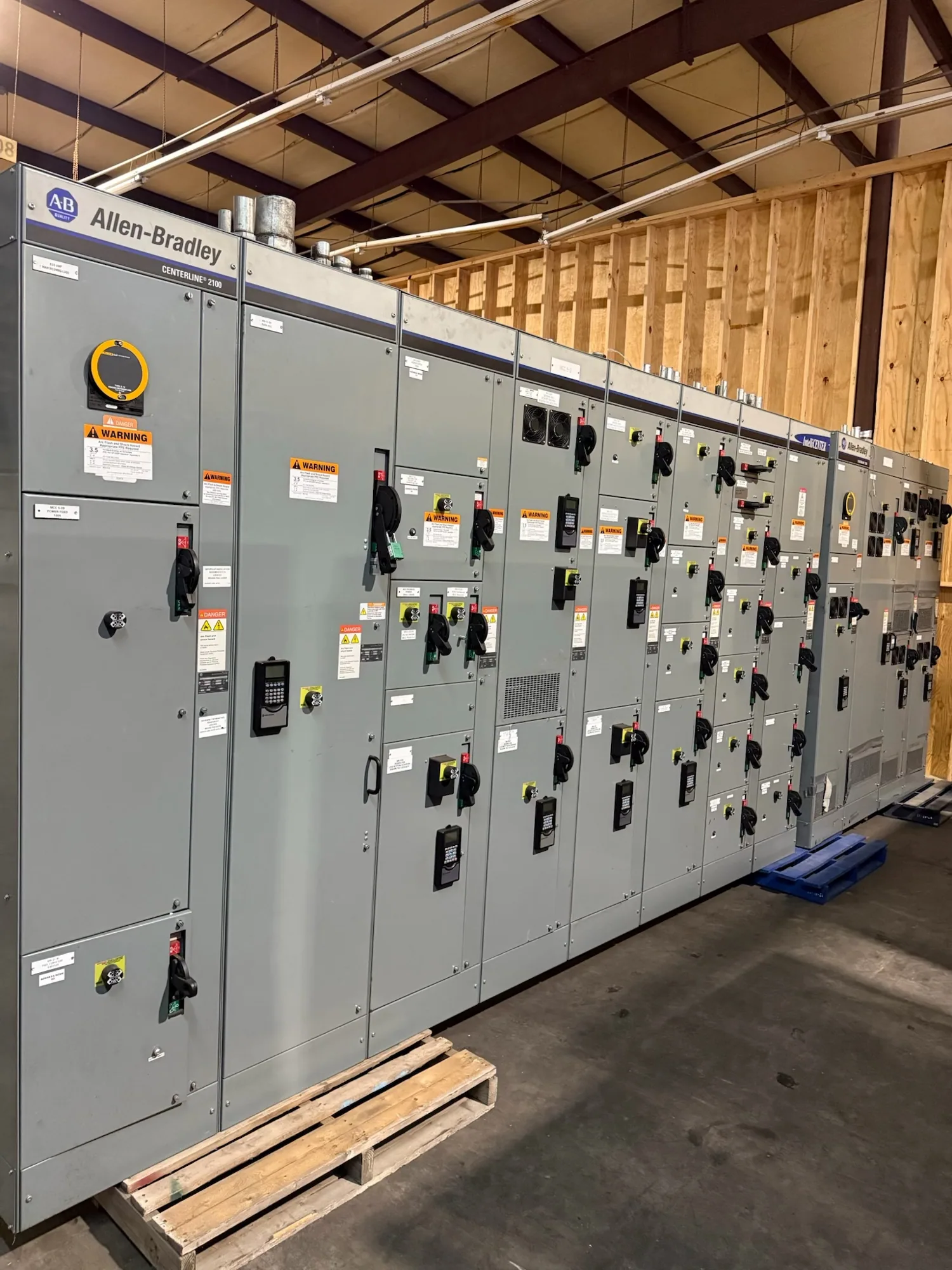
Where panelboards fit in a food and beverage facility
Food and beverage plants bring together process motors, refrigeration equipment, packaging lines, pumps, and general building loads. A power distribution panelboard divides an incoming supply into branch circuits for downstream equipment; it is not the same equipment category as switchgear. The panelboard’s role is to provide an organized, specified point of distribution within the facility’s electrical system.
For a hypothetical production area, a project team might consider separate distribution for refrigeration auxiliaries, process equipment, or packaging, depending on the electrical design and operating plan. The right arrangement depends on actual loads, circuit protection, location, and how operators isolate equipment for work or planned changes. A panelboard does not replace motor controllers, disconnects, or other equipment required by the design.
Map loads and branch-circuit capacity
Begin with an equipment schedule that identifies each load, its supply requirements, expected operating pattern, and associated protective or control equipment. Include motors, compressors, heaters, conveyors, pumps, and packaging machinery rather than relying on a single aggregate estimate. The responsible project engineer should establish calculated demand and determine whether loads can operate simultaneously or have defined operating sequences.
Compare the resulting requirements with the proposed bus and branch-device current ratings, while accounting for specified operating conditions and any applicable derating. Continuous-current rating is one part of the selection, not a shortcut for choosing a panel. Confirm the intended load profile, ambient conditions, enclosure effects, and device limitations against the actual equipment specification. Do not assume spare circuit positions alone establish adequate electrical capacity.
Coordinate motor protection and fault ratings
Motor circuits can involve starting behavior, overload protection, short-circuit protection, and control functions that are not resolved by selecting a branch breaker in isolation. Provide motor data and the proposed controller or starter arrangement so the engineering team can coordinate panelboard devices with downstream equipment. Confirm which functions belong in the panelboard and which are handled by separate motor-control assemblies.
The available fault current and required short-circuit ratings must be addressed for the specific installation and equipment combination. A buyer should provide the project’s fault-current information and identify any required rating or coordination study inputs for engineering review. The proposed panelboard, protective devices, and connected equipment must be evaluated as applicable; do not infer suitability from a generic product description or an unverified rating.
Account for washdown, sanitation, and placement
Washdown areas, cleaning chemicals, moisture, temperature, and airborne contaminants can affect enclosure selection and where equipment may be installed. Describe the actual cleaning practices and exposure: direct spray, nearby wash zones, condensation, or routine chemical use are materially different conditions. The project engineer should establish environmental and enclosure requirements for each location rather than assume a standard enclosure is appropriate throughout the plant.
Panel placement also intersects with sanitation and operations. Consider access for qualified personnel, protection from production impacts, routing to loads, and whether the location conflicts with cleaning paths or equipment movement. Confirm any required separation from wet processes and the interfaces with building surfaces, cable entries, and adjacent machinery. Installation details and site-specific suitability must be determined for the project, not presumed from the panelboard’s general application.
Plan continuity around real operating constraints
Refrigeration and production interruptions can carry different operational consequences. Identify which loads are critical, what outage windows are available, and whether the facility requires sectional distribution or defined isolation points. The electrical design team can use that information to consider circuit grouping, maintainability, and coordination with upstream equipment. A panelboard specification alone does not guarantee uninterrupted operation or establish a facility’s continuity strategy.
Review how future production changes may affect circuit capacity and available spaces. New packaging equipment or process modifications can alter load profiles and distribution needs. Ask the responsible engineer to clarify whether planned expansion is included in the present design, what capacity assumptions apply, and how additions would be evaluated. Avoid specifying unused capacity by guesswork; document the intended allowance and its engineering basis.
Information to provide when requesting new equipment
A useful purchasing package identifies the application, installation location, supply characteristics, load schedule, motor and controller data, environmental exposure, and required panelboard configuration. Include available fault-current information, specified protective-device requirements, relevant drawings, and any project standards that apply. Flag washdown zones, temperature concerns, sanitation constraints, continuity priorities, and known outage limits so the equipment scope can be reviewed in context.
Also state the desired delivery window and project milestones, recognizing that availability and lead times depend on the confirmed order and must be verified. South Carolina Switchgear Builders manufactures new equipment to specification, with US-built equipment, all-American components, and nationwide shipping. Confirm the proposed design, applicable ratings, listing status, testing scope, and delivery details against the actual specification before purchase.
Coordinate supply, engineering, and installation
Clarify which party is responsible for system design, equipment integration, field verification, installation, and commissioning. Manufacturer supply is distinct from project engineering and site services. The buyer and project team should resolve interface questions, including upstream protection, conductor and entry arrangements, mounting, access, and coordination with downstream motor-control equipment before releasing a final configuration.
Qualified personnel should handle installation, testing, and maintenance under applicable safety procedures. A complete scope lets the manufacturer evaluate the requested new panelboard configuration and identify details that need confirmation before an order is finalized. With loads, environmental conditions, fault information, and project responsibilities clearly documented, the purchasing decision can be based on the facility’s actual operating needs rather than assumptions.