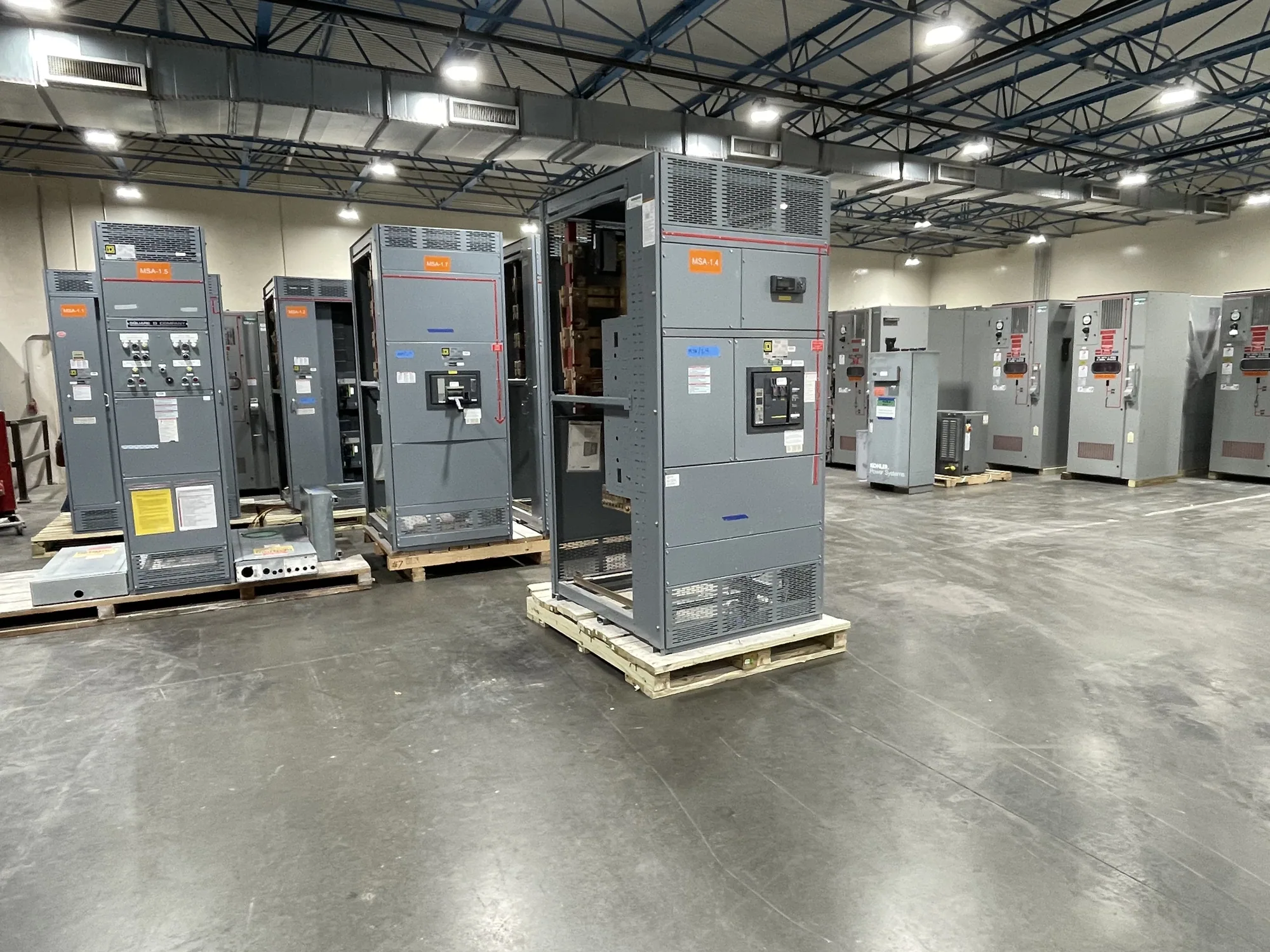
Where panelboards fit in a hospitality project
Hotels, resorts and related guest facilities combine many branch-circuit loads: room lighting and receptacles, public areas, kitchens, laundry, pools, spas, offices and building services. A power distribution panelboard divides an incoming supply into protected outgoing circuits. It is distinct from switchgear and switchboards, which serve different distribution functions and configurations. The project engineer determines the appropriate equipment at each point in the electrical system.
Consider a hypothetical resort with varying occupancy, seasonal outdoor operations and mechanical loads that change with weather. Panelboard selection should reflect the actual circuit schedule and operating plan, not simply the building’s room count or peak-season assumptions. Confirm which spaces and loads each panel serves, how circuits are grouped, and whether planned renovations or future capacity needs belong in the scope.
Translate operating patterns into circuit requirements
Seasonal demand can affect when loads run and how they overlap. Cooling, kitchen equipment, laundry, pool systems and guest-area loads may operate differently during peak occupancy than in a quieter period. Provide the responsible engineer with load calculations, equipment schedules, expected operating modes and any known demand-management strategy. Do not substitute annual averages for the design conditions required by the project.
Outage timing also matters. A resort may have limited windows for shutdowns because of guest operations, events or seasonal work. Identify whether the work is new construction, a planned expansion or a replacement, and describe the available outage constraints. The design team can then evaluate circuit transfers, temporary arrangements and installation sequencing. Those decisions require project-specific engineering; equipment procurement alone does not establish a safe or workable outage plan.
Capacity, protective devices and fault ratings
Specify the required panelboard bus and main-device arrangement, branch-circuit count, device types and ratings, and any spaces or provisions needed for the documented scope. A physical space allowance is not the same as confirmed electrical capacity. Ask the engineer to reconcile connected loads, calculated demand, diversity assumptions and future circuits with the selected panel configuration and the upstream distribution system.
Protective-device selection depends on the circuit loads and the available fault current at the installation point. Provide the project’s fault-current information and coordination requirements, if established, for review against the proposed equipment. The applicable interrupting and assembly ratings must be confirmed for the specific design and system conditions. Do not assume a panelboard rating or device combination is suitable based on appearance, a prior facility or a generic catalog description.
Continuous current and operating conditions
Normal load current, bus current rating and individual device ratings are related but not interchangeable. The engineer should verify the expected continuous loads, applicable loading assumptions, conductor and termination requirements, and the effect of ambient temperature or other specified derating conditions. Operating temperature and enclosure conditions can influence a design; resolve them using the actual installation information and the equipment manufacturer’s confirmed specifications.
For each panel, assemble the voltage and phase information, calculated load, circuit schedule, main and branch-device requirements, and installation environment. Note whether the panel is indoors, exposed to weather, near salt air, or located in a humid or washdown area. Coastal exposure does not by itself dictate a particular enclosure or material. The responsible design professional should define environmental conditions and confirm the appropriate construction and ratings for the selected equipment.
Placement, interfaces and access
Panel locations affect feeder routing, branch-circuit lengths, access and coordination with architectural and mechanical layouts. Identify room dimensions, wall or floor constraints, access clearances established by the project, nearby heat or moisture sources, and the path for bringing equipment to its intended location. Check interfaces with upstream protective devices, grounding, feeders and any monitoring or control provisions required by the project specification.
For an occupied hospitality property, coordinate equipment delivery and installation sequencing with the construction manager and facility team. Confirm receiving arrangements, storage conditions, site access, planned shutdown periods and responsibility for field connections and commissioning. South Carolina Switchgear Builders manufactures and supplies new equipment; engineering approval, installation, testing and maintenance remain responsibilities of qualified project personnel following applicable safety procedures.
Information to prepare for a purchase inquiry
A useful request for quotation identifies the project location, equipment quantity, voltage and system details, panel schedules, bus and main-device requirements, branch-device schedule, fault-current data, enclosure conditions and applicable project specifications. Include drawings or a clear equipment list when available. Flag seasonal operating assumptions, outage constraints, coastal or other environmental exposure, required interfaces, documentation needs and the desired delivery window for confirmation.
Also state which decisions are final and which remain open for engineering review. Identify the engineer of record and the person authorized to resolve specification questions. This helps distinguish a firm requirement from a planning assumption and reduces the risk of quoting an unsuitable configuration. Availability and lead time depend on the equipment and order details, so confirm them for the actual scope rather than relying on an assumed schedule.
Review the scope before release
Before authorizing manufacture, reconcile the quote and approved submittal with the panel schedule, one-line diagram, device requirements, environmental conditions and project delivery plan. Confirm that proposed deviations are reviewed by the responsible engineer and that the equipment description matches the intended application. If the scope changes—such as added rooms, revised mechanical loads or a different operating season—revisit the affected circuit and capacity assumptions before release.
A well-defined panelboard package starts with the building’s actual loads and installation conditions, then connects those requirements to verified equipment details and a coordinated project schedule. South Carolina Switchgear Builders supplies new, custom-to-specification equipment, with nationwide shipping and availability and lead times confirmed for each order. Clear technical inputs give the project team a sound basis to evaluate the proposed panelboards and coordinate the next steps.