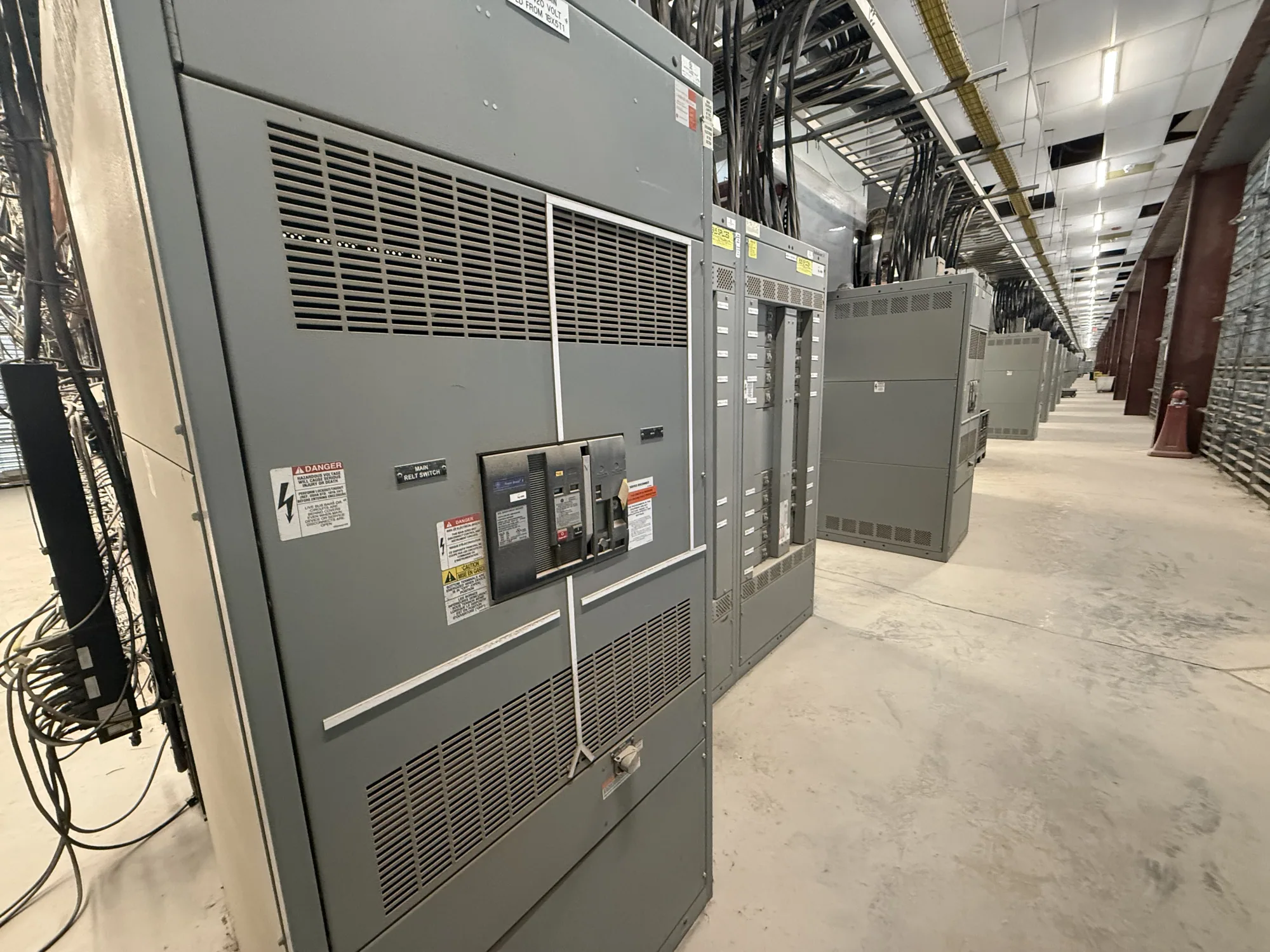
Start with the facility’s distribution needs
Food and beverage facilities bring unlike loads together: process motors, refrigeration, pumps, packaging lines, lighting and general building systems. A low-voltage switchboard can distribute service power to feeder circuits, but its arrangement should follow the project’s electrical design—not a generic industry template. The owner and responsible engineer should establish what loads the assembly serves, how they are grouped, and where it connects to the wider distribution system.
Consider a hypothetical plant with a production area, cold storage and packaging rooms. The switchboard may serve different panels or equipment groups, each with its own operating schedule and consequences if power is interrupted. Map those boundaries before selecting sections or devices. The switchboard manufacturer can build to an approved specification; facility engineering, system studies, and decisions about production continuity remain project responsibilities.
Translate process loads into service and feeder scope
Prepare a current load schedule that identifies equipment, voltage and phase where known, expected operating conditions, and the feeder or panel destination. Distinguish running loads from starting or other transient demands as the project engineer directs. Motor-control equipment may be part of a separate motor control center or process package rather than the switchboard itself. Clarify which devices are supplied in the assembly and which are supplied by others.
For refrigeration, process and packaging loads, identify any required feeder protection, disconnecting means, metering or control interfaces in the project documents. Do not assume the switchboard provides motor starting or process control simply because it distributes power to motors. Confirm responsibility for controls, interlocks and communications, plus the physical and electrical connection points with equipment vendors. This division of scope helps prevent omitted devices and mismatched interfaces during procurement.
Account for washdown and sanitation conditions
Washdown areas, cleaning chemicals, humidity, temperature changes and airborne contaminants can affect where electrical equipment is installed and what enclosure or environmental provisions are appropriate. Document the actual room and exposure conditions, cleaning practices, and any barriers or separation between wet production zones and electrical rooms. The responsible engineer should determine applicable requirements and specify the necessary construction; the manufacturer needs those requirements to evaluate the proposed assembly.
Keep sanitation interfaces practical. Confirm access for inspection and operation, clearance around the equipment, door swing, cable entry direction, and how conduits or other penetrations are coordinated with the room layout. Do not assume a standard enclosure is suitable for direct washdown or that a particular rating applies without review. If the switchboard will be outside the production area, state that location and its environmental conditions rather than relying on the facility’s general description.
Coordinate dimensions, fault duty and continuity
Available floor space, aisle clearances, ceiling height, cable routing and access for moving equipment into the room all influence section arrangement. Provide room plans and the intended incoming and outgoing cable paths. The engineer should identify the available fault current and required equipment withstand or interrupting characteristics from the project study. These are system-specific values; they should not be inferred from facility type or copied from an unrelated installation.
Continuity goals also shape the lineup and feeder arrangement. Ask which process areas must remain available during planned maintenance or a fault, and whether the electrical design calls for alternate sources, ties or other arrangements. Those choices require system-level engineering and can affect protection, interlocking, space and operating procedures. The switchboard supplier should receive the approved one-line diagram and device schedule so the assembly scope matches the intended distribution concept.
Resolve continuous current ratings with real conditions
Continuous current rating is not simply the sum of equipment nameplate currents. The project team should provide calculated demand, expected simultaneous operation, service and feeder loads, and any applicable design assumptions. Confirm the required bus and device ratings against the actual load schedule and system design. Operating temperature, enclosure conditions, grouping, ventilation and other specified factors may affect the selection; the responsible engineer and manufacturer should review the particular configuration.
Ask how proposed ratings apply to each service or feeder device and to the bus, and whether any specified conditions require a different arrangement. Provide ambient conditions, installation location and relevant documentation rather than asking for a rating based on a short description alone. Do not treat a nominal device rating as proof that the complete assembly is suitable for every condition. Listing, testing, ratings and standards must be verified for the specific design and supplied equipment.
Prepare a purchase-ready project package
For a useful quotation, assemble the one-line diagram, load and feeder schedules, system voltage, fault-current information, environmental conditions, room dimensions, cable-entry requirements and requested devices or accessories. Include the desired delivery location, project milestones and any required submittal or coordination dates. Identify what is furnished by the switchboard manufacturer versus process vendors, the installing contractor and other suppliers. Availability and lead time depend on the order and should be confirmed.
South Carolina Switchgear Builders manufactures new, US-built switchboards with all-American components, custom to specification, and ships nationwide. The manufacturer’s scope is equipment supply; engineering approval, site preparation, installation, field testing and maintenance should be assigned to qualified project professionals under applicable procedures. With clear documents and defined interfaces, the project team can review a proposed assembly against the facility’s loads, environment and schedule before placing the order.