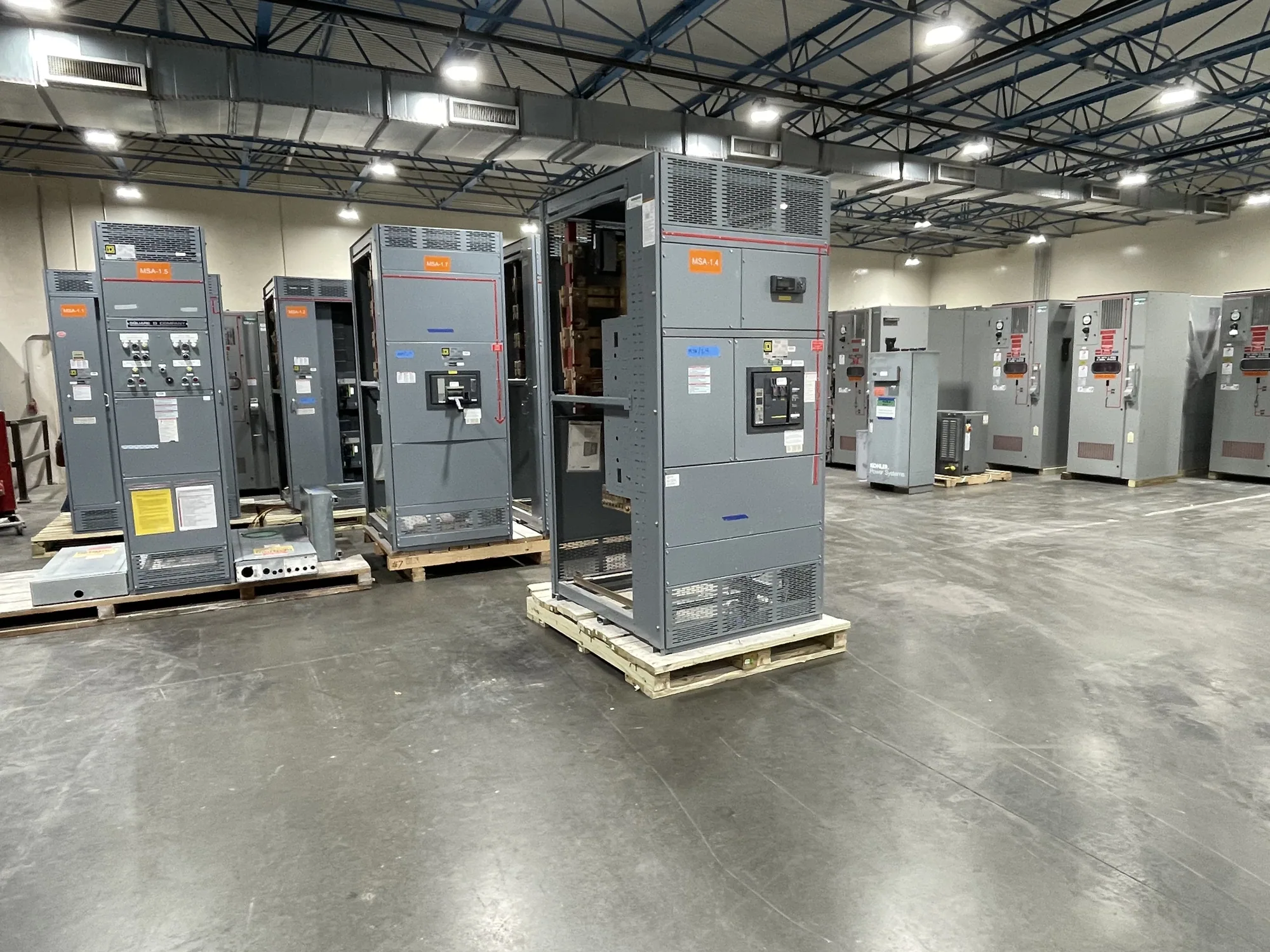
How a switchboard fits a hospitality project
A resort or hotel electrical plan may bring guest rooms, kitchens, laundry, pools, event spaces, and mechanical systems into one distribution strategy. A low-voltage switchboard can receive a service or other specified supply and distribute power through service and feeder devices to downstream equipment. The appropriate assembly depends on the project one-line diagram and electrical design, not simply the building’s room count or hospitality label.
Consider a hypothetical property with year-round guest operations and pronounced seasonal occupancy. Its electrical demand may vary as room use, food service, events, and cooling needs change. A switchboard must be specified against the loads and operating assumptions established for that project. The manufacturer can build new equipment to a confirmed specification; the responsible electrical engineer determines system design, load calculations, and coordination with the wider installation.
Translate operating patterns into equipment scope
Seasonal demand should be described with more than a peak estimate. Provide the engineer’s calculated loads, expected operating conditions, relevant load schedules, and any known plans for additions. Clarify which loads are continuous, intermittent, or subject to future expansion according to the project design. Do not assume a quiet-season demand establishes a suitable rating, or that anticipated growth can be accommodated without reviewing bus, device, space, and system requirements.
Identify which spaces and functions each feeder serves, including guest accommodations, central plant, kitchens, laundry, public areas, and other defined loads. The project team should establish the service arrangement, feeder quantities, protective-device requirements, and any metering or other specified functions. These choices affect the assembly layout and interfaces. They also help the engineer evaluate how an outage or planned shutdown could affect guests and operations, without treating a particular switching sequence as guaranteed.
Choose ratings from documented system conditions
Continuous current rating requires consideration of the actual load and equipment arrangement. Ask the responsible engineer to confirm normal load current, anticipated operating conditions, applicable bus and device ratings, and any derating conditions that apply to the proposed design. Room temperature, enclosure conditions, and adjacent equipment may be relevant where established by the project. The manufacturer should receive these requirements for review; no single rating can be inferred from a resort’s occupancy or equipment category.
Fault-current requirements are equally project-specific. Supply the available fault-current information and system details established by the electrical engineer, along with the required protective-device and coordination criteria. Confirm that the proposed assembly configuration is appropriate for those documented conditions. Do not substitute a generic fault rating or assume an existing building value applies after a service change. Ratings, testing, and any applicable listing must be verified against the actual equipment specification and design.
Plan dimensions, access, and environmental exposure
Before selecting an arrangement, provide the available electrical-room dimensions, equipment access path, required working clearances identified by the design team, and locations of conduits or other interfaces. Confirm where cables enter and leave, how the assembly aligns with adjacent equipment, and whether the room layout allows the specified sections to be installed and serviced. These details can affect section count and configuration; final field dimensions and installation conditions remain matters for the project team to verify.
Some hospitality properties may face coastal exposure, but proximity to the coast alone does not establish an enclosure or material requirement. Describe the actual installation environment, including whether equipment is indoors or outdoors and any documented exposure to moisture, salt-laden air, temperature variation, or other conditions. Ask the engineer to define the needed environmental provisions and verify that the proposed configuration matches them. Do not assume a standard enclosure is appropriate for every location or that a particular treatment is included.
Coordinate outages and project interfaces
For renovation or replacement work, identify the existing distribution arrangement, the equipment being replaced or connected, the planned outage window, and constraints on guest services or critical building functions. The owner, engineer, contractor, and utility where applicable should establish the sequence and responsibilities. A switchboard quotation is not an outage plan, and equipment supply does not by itself include installation, commissioning, field testing, or operational switching.
For new construction, coordinate the switchboard specification with the one-line diagram, feeder schedule, protective-device requirements, equipment-room plan, and procurement schedule. Resolve open questions before release for manufacture, including interfaces with upstream and downstream equipment. Availability and actual lead time depend on the order and must be confirmed. Delivery dates, ratings, listing applicability, and test requirements likewise require confirmation for the specific assembly and project.
Prepare a useful purchasing package
A clear request for quotation should identify the project and delivery location; requested equipment type and voltage class; service and feeder scope; the latest one-line diagram and schedules; required current and fault ratings; enclosure and environmental requirements; physical dimensions and cable-entry details; specified metering or accessories; and project milestones. Include the engineer’s stated standards or listing requirements rather than assuming they apply universally. For an eligible low-voltage switchboard, any UL 891 applicability and assembly listing must be verified for the particular design.
Also state which documents are needed for review, who approves the submittal, and which party handles engineering, installation, and site coordination. South Carolina Switchgear Builders manufactures new switchboards to specification, with US-built equipment, all-American components, and nationwide shipping. Confirm configuration, availability, and schedule for the actual order. A complete, reviewed scope gives the manufacturer and project team a sound basis to resolve fit, ratings, interfaces, and procurement before equipment is released.