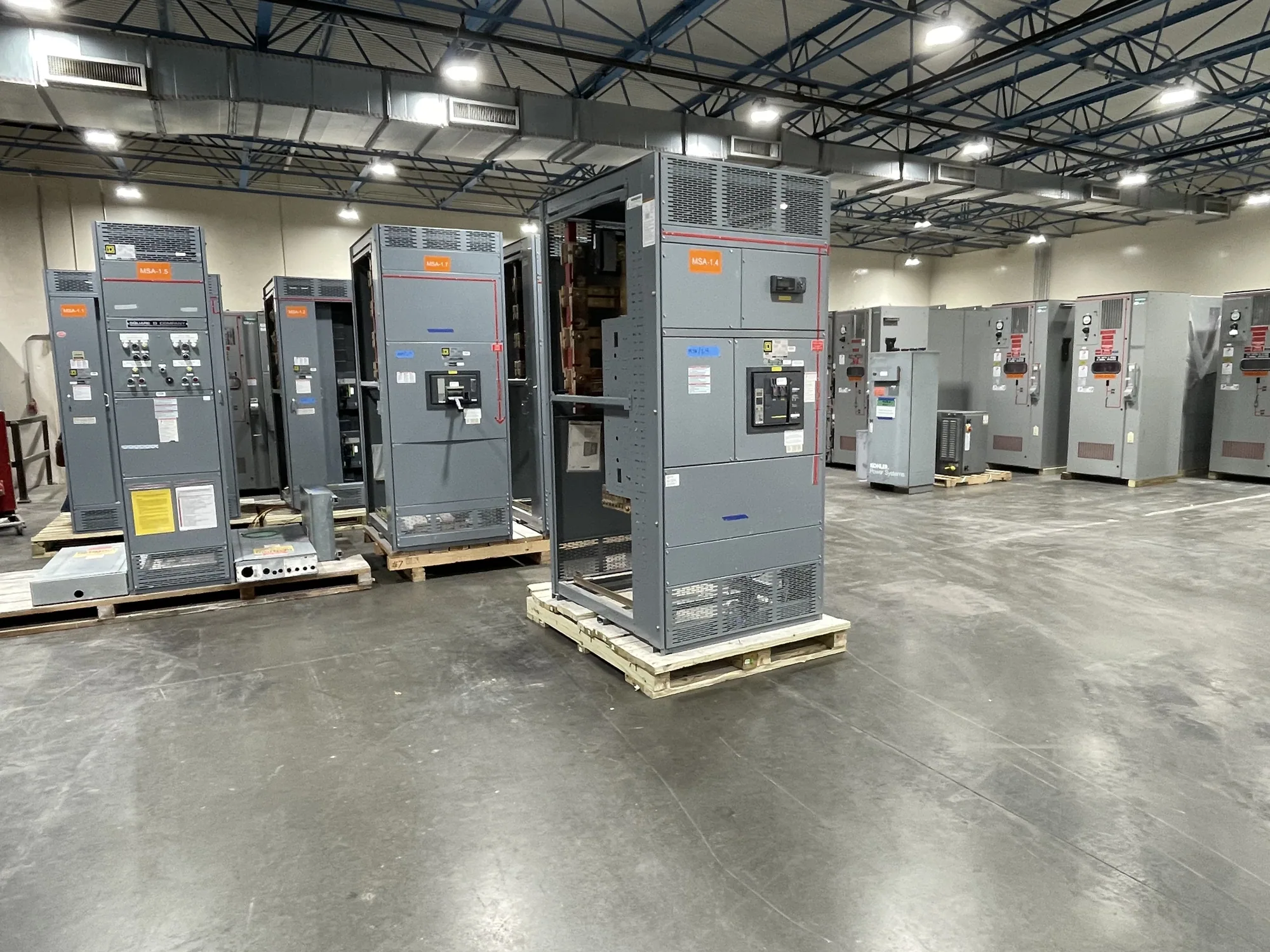
What the comparison means
Arc-resistant and conventional describe different approaches to managing the effects of an internal arcing fault in switchgear. Arc-resistant equipment is designed and tested to provide defined protection under specified conditions. Conventional equipment does not claim that same arc-resistant performance. Neither label, by itself, tells you whether an assembly fits a project’s electrical requirements, room layout, operating practices, or risk controls.
The distinction is not a guarantee that an arc fault cannot occur, nor does arc-resistant construction eliminate electrical hazards. It concerns how an eligible design manages fault effects within its documented limits. The exact meaning depends on the equipment type, configuration, test basis, and installation conditions. Buyers should compare the specific proposed assembly and supporting documentation, not assume that every product carrying a general category name offers the same protection.
Start with the project’s electrical requirements
Before weighing construction options, establish the equipment scope. Identify whether the project calls for low-voltage switchgear, a switchboard, or medium-voltage switchgear, and provide the system voltage class and one-line diagram. Also share the required continuous current, available fault-current information, protective-device details, feeder arrangement, metering and control needs, and any specified ratings. The responsible engineer must confirm the applicable design basis and coordination.
These inputs matter because an arc-resistant comparison cannot substitute for complete equipment selection. An assembly must satisfy the electrical and physical requirements first, while any claimed arc-resistant performance must apply to the proposed design. Do not assume a test or listing associated with one configuration covers another. For eligible low-voltage switchboards, UL 891 may be relevant, but applicability and assembly listing require verification for the specific design; it is not a blanket claim for all switchgear.
Understand tested limits and installation conditions
Ask for documentation that identifies the tested design, the conditions under which it was evaluated, and the limits of the claim. Confirm which equipment compartments and access sides are covered, what operating or maintenance state the documentation addresses, and whether the proposed lineup matches the evaluated configuration. The project engineer should review how protective devices, doors, barriers, cable entries, and adjacent sections affect the comparison.
Installation conditions are just as important as product descriptions. Room dimensions, ceiling height, ventilation, cable routing, equipment orientation, access routes, and clear working space can constrain the design. If a design depends on an exhaust path, pressure-relief space, or a particular orientation, those conditions must be incorporated into the facility plan and verified for the actual layout. Never treat a protection claim as valid when the equipment is installed outside its documented conditions.
Compare practical trade-offs without assuming a winner
A neutral decision matrix helps keep the discussion tied to project needs. Compare the documented fault-management limits, lineup footprint, required room features, access and operating practices, maintenance planning, equipment ratings, and verification documents. Record which items are established, which require engineering review, and which depend on the final configuration. A larger enclosure or added facility coordination may be relevant in some designs, but the actual tradeoffs must be confirmed rather than presumed.
For example, a facility replacing distribution equipment in a constrained electrical room may need to preserve existing cable routes and access while evaluating whether an arc-resistant design can fit with its documented installation conditions. The team should compare an appropriately specified conventional option as well, then examine room changes, operating procedures, and project constraints. This example does not establish that either approach is suitable; the final choice depends on verified design details and a project-specific risk assessment.
Residual hazards and safety responsibilities
Arc-resistant equipment does not make switchgear safe to approach during a fault, remove the need for protective devices, or replace safe operating procedures. Hazards may remain, and protection can be limited by equipment state, configuration, installation, or conditions beyond the documented test basis. The facility’s qualified electrical professionals should determine how equipment selection fits the broader electrical safety program, including access control, operating methods, maintenance, and appropriate risk evaluation.
Installation, inspection, testing, and maintenance belong to qualified personnel following applicable safety procedures. No comparison should be used to justify energized work or to bypass required controls. Confirm the equipment documentation and project-specific instructions before relying on any stated capability. The manufacturer can supply new switchgear or switchboards custom to specification, but design-dependent ratings, testing, listing, and standards applicability must be confirmed for the ordered assembly.
Information to provide before requesting a proposal
For a useful technical review, provide the one-line diagram, equipment schedule, system voltage class, fault-current basis, protective-device information, enclosure and environmental requirements, and preferred lineup arrangement. Include room plans with dimensions, cable entry direction, access constraints, and any required metering, controls, or communications. State whether arc-resistant performance is specified and identify the documentation or project criteria the engineer expects the supplier to address.
Also clarify the project schedule, shipping destination, approval process, and who will review drawings and submittals. Availability and actual lead times depend on the order and must be confirmed; do not base a schedule on an unverified estimate. South Carolina Switchgear Builders manufactures new equipment in the United States using all-American components and ships nationwide. Provide complete project inputs early so the proposed configuration, documentation, facility interfaces, and delivery plan can be reviewed before purchase.
Make the comparison specific to the proposed assembly
The sound decision is not simply “arc-resistant” versus “conventional.” It is whether a particular new assembly meets the project’s electrical requirements, whether any documented arc-resistant performance applies to that exact design and installation, and whether the facility can support its conditions. Have the responsible engineer review open questions, compare verified documentation, and coordinate room and operating requirements before finalizing procurement. That process makes the comparison actionable without overstating what either category can provide.