The short answer: sometimes, but not always
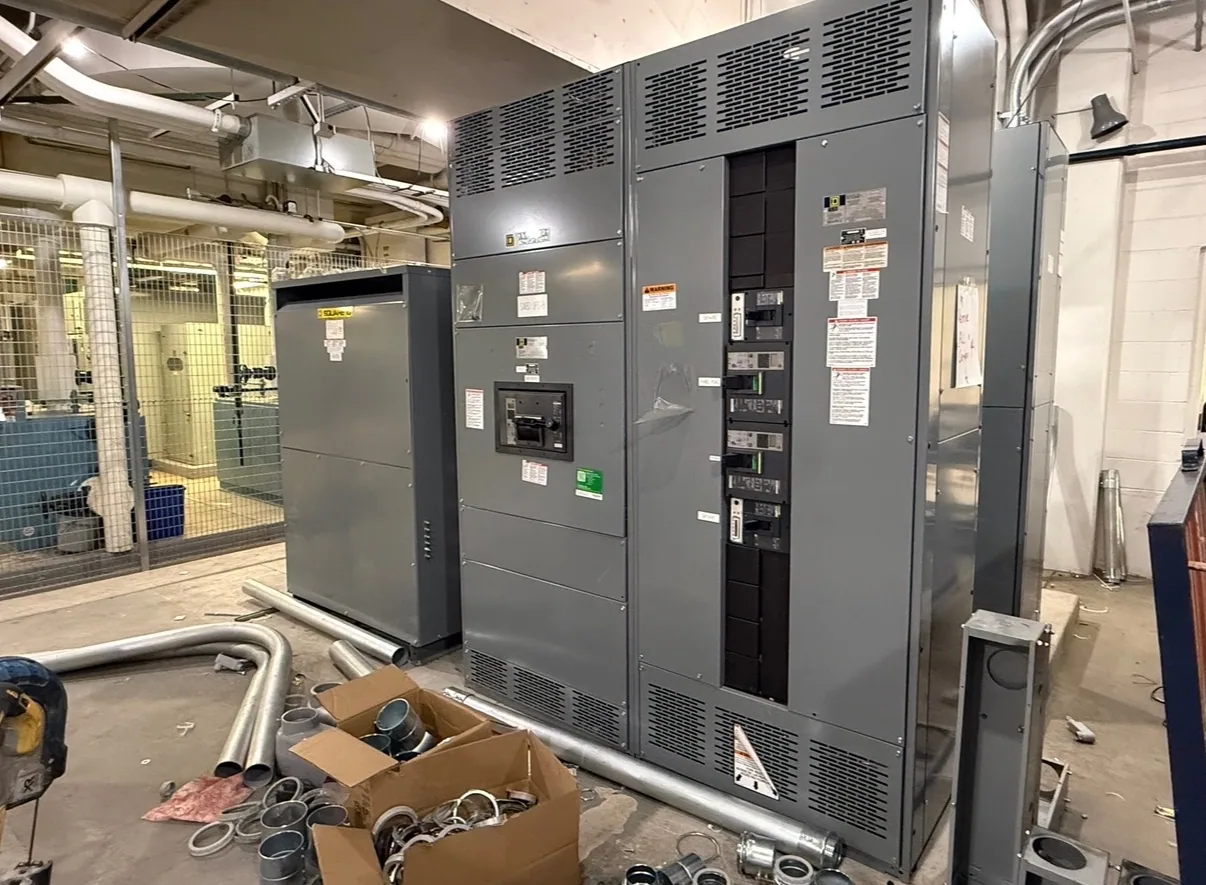
Old switchgear can sometimes be replaced while limiting or avoiding interruption to selected loads, but a completely outage-free changeover cannot be promised in general. The answer depends on the electrical design, what equipment is being replaced, which loads must remain supplied, and whether a safe alternative source or operating arrangement exists. Some work may be prepared in advance, while the final connection or transfer still requires a planned outage.
“No outage” can also mean different things: no interruption to an entire facility, no interruption to critical loads, or no interruption during a particular phase. Clarify the goal before developing a plan. A replacement may require isolating equipment, verifying absence of voltage, disconnecting conductors, and making final connections. Those tasks must be handled by qualified personnel using applicable safety procedures; an uninterrupted operating condition is never a reason to perform unsafe work.
What determines whether service can continue?
A qualified project engineer needs to understand the existing one-line diagram, sources, protective devices, bus arrangement, connected loads, and operating constraints. The team should confirm which loads can be shut down, for how long, and whether temporary or alternate supply is technically feasible. Existing documentation may not reflect field conditions, so the responsible parties need to verify equipment identification, conductor routes, available space, and interfaces before settling on a sequence.
The physical scope matters as much as the electrical concept. A replacement may involve removing an entire lineup, changing feeder terminations, modifying the room, or adapting connections to new equipment. Dimensions and connection locations must be checked against the actual installation. The engineer should also evaluate load capacity, fault-current conditions, protection, and selective coordination for the proposed configuration. A new assembly cannot be assumed to match the old one simply because its general purpose is similar.
Plan the changeover, not just the equipment
A practical plan separates what can be completed before the transition from work that depends on isolating the existing gear. For example, site preparation, access planning, delivery coordination, and approved installation preparations may be scheduled ahead of time. The exact extent of advance work depends on the site and the engineered plan. The final removal, placement, termination, inspection, and testing sequence must be established by the responsible project team.
Consider a facility with a critical process and a main distribution lineup nearing replacement. If the design and operating conditions support a temporary source, the engineer may assess whether selected loads can be transferred before the old lineup is removed. That is only a scenario to evaluate, not a recommendation or assurance. Temporary equipment, connections, capacity, protection, grounding, and operating procedures all require project-specific review. The final changeover could still require an outage, potentially limited to a defined part of the system.
Common assumptions that need checking
A spare breaker position, alternate feeder, or second source does not by itself establish that a transfer is safe or feasible. The engineer must confirm the actual electrical arrangement and operating limits, including whether sources may operate together and how protective devices coordinate. Never assume two supplies can be paralleled, or that a transfer can occur without interrupting loads. These are design and operating questions for qualified professionals, not decisions to make from equipment labels alone.
Likewise, ordering replacement gear does not resolve field compatibility. The new equipment must be specified for the intended application, and interfaces such as bus, cable entry, control wiring, and enclosure dimensions need review. Required ratings, standards, testing, and any listing applicability must be confirmed for the actual design. If the project involves a low-voltage switchboard, UL 891 may apply to an eligible design, but the responsible parties must verify applicability and assembly listing rather than presume it.
Information to gather before requesting a quote
Prepare the available one-line diagram, equipment schedules, photographs or dimensional records, and details of connected loads and operating priorities. Identify the equipment to be replaced, its location, known constraints, and any existing or planned alternate sources. Include the desired interruption limits, project milestones, access and handling conditions, and the party responsible for engineering and field verification. Mark uncertain information clearly so assumptions can be resolved before the equipment design is finalized.
Ask the manufacturer what specification details are needed to configure new equipment and which items remain subject to engineering confirmation. South Carolina Switchgear Builders manufactures new switchgear and switchboards to specification, with US-built equipment and nationwide shipping. Availability and lead times depend on the order and must be confirmed. Delivery timing should be coordinated with site readiness and the installation plan; it does not establish that a particular outage can be avoided.
Coordinate a safe, realistic next step
Bring the facility owner, qualified electrical engineer, installer, and equipment manufacturer into the planning process early enough to resolve interfaces and responsibilities. Ask who will verify field conditions, develop and approve the switching and installation sequence, determine any temporary supply requirements, and authorize return to service. Testing and maintenance belong to qualified personnel following applicable procedures. Confirm the acceptance criteria and required project documents before equipment is released and again before the planned transition.
The useful question is not simply whether replacement can happen without an outage, but which loads can remain supplied, under what engineered arrangement, and for how long. A careful review may identify ways to reduce interruption, while also concluding that a planned outage is necessary. Share the system information and operating priorities with the responsible engineer, then align the new-equipment specification and delivery plan with the approved field sequence. That gives the project a realistic path without treating uninterrupted service as a guarantee.