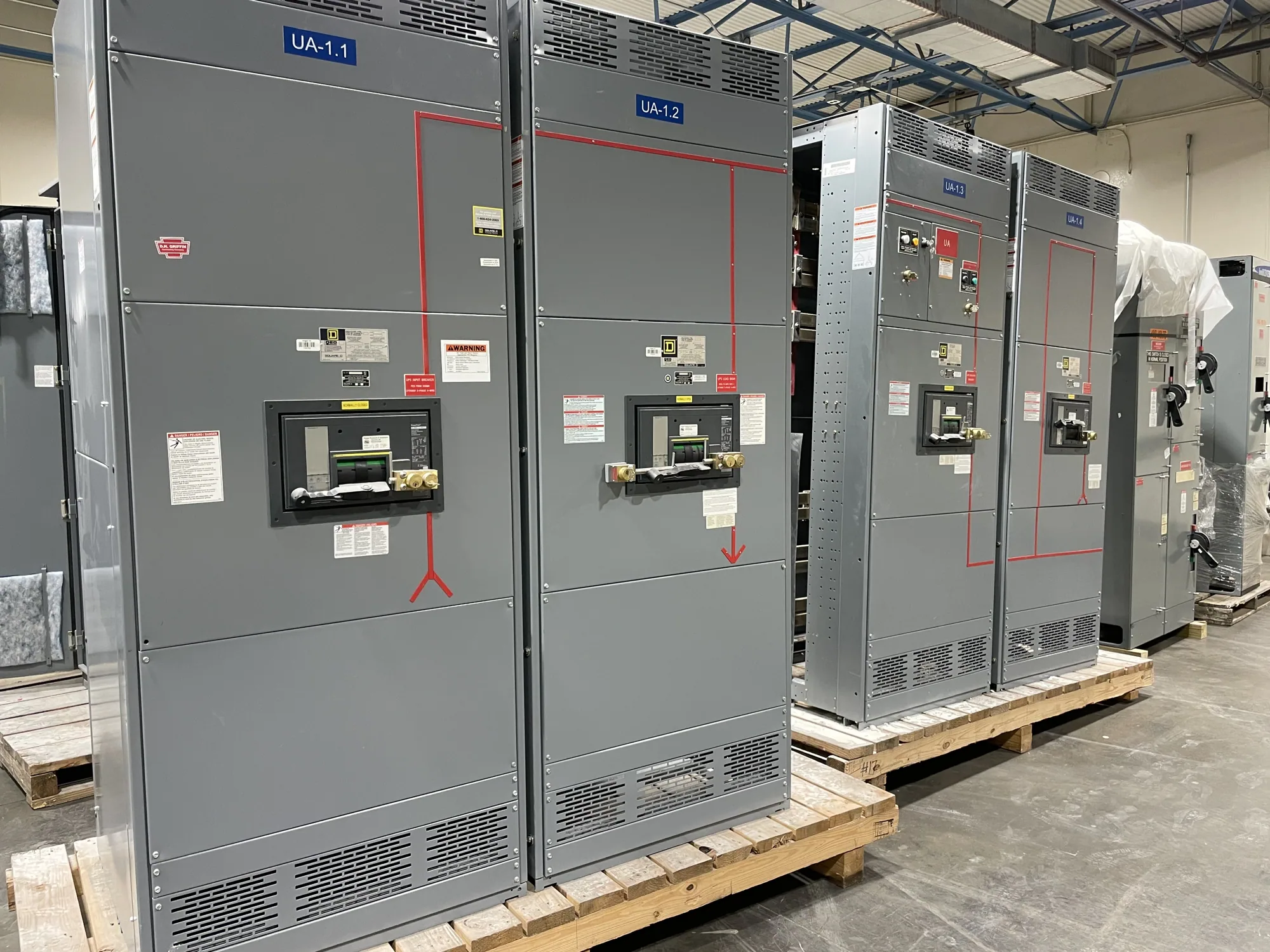
There is no universal coastal enclosure rating
One enclosure rating can be appropriate for more than one coastal project, but it should not be assumed to suit every coastal site. “Coastal” describes a broad setting, not a consistent exposure level. Equipment may be installed indoors, in a sheltered building, beneath a canopy, or outdoors where wind-driven rain and salt-bearing air reach it directly. The responsible project engineer must assess the actual installation and specify suitable equipment.
An enclosure rating addresses defined environmental conditions and construction features; it does not, by itself, certify that an assembly will resist every form of corrosion or suit every site. Buyers should identify the applicable rating and what it covers, then separately evaluate material, finish, hardware, openings, seals and maintenance. Ask the manufacturer to confirm how the proposed configuration addresses the project specification rather than relying on the word “coastal.”
Describe exposure at the equipment location
Distance from the shoreline alone may not fully describe exposure. Wind direction, prevailing weather, nearby surf, salt spray, airborne contaminants, sheltered corners and the building envelope can affect what reaches the enclosure. Consider whether the equipment sits in a conditioned electrical room, a ventilated space, or an outdoor location, and whether doors or louvers face the elements. Provide the actual site conditions available to the design team instead of asking for a generic coastal option.
Water exposure also needs context. The engineer should establish whether the equipment could encounter wind-driven rain, standing water, washdown, condensation or flooding, and whether drainage or a raised mounting arrangement is part of the design. These are different conditions and should not be treated as interchangeable. The required enclosure rating and construction depend on the application; confirm the rating definition against the project documents and proposed equipment.
Review corrosion protection separately
A suitable enclosure rating does not necessarily specify the corrosion resistance needed for a particular salt-air environment. Review the enclosure material and finish, fasteners, hinges, latches, mounting hardware, seams and other exposed details as a system. Ask which components receive corrosion protection, how the finish is specified, and whether the proposed options are available for the required design. The answer should be tied to the actual equipment configuration, not an unsupported blanket assurance.
Ventilation and access features also create design tradeoffs. Louvers, filters, door openings and removable panels may affect environmental protection, heat management and service access. The project team should determine how equipment heat dissipation, the enclosure rating and exposure requirements are reconciled. Do not assume that sealing every opening is appropriate, or that a particular accessory preserves the specified rating without confirmation for the assembly.
Consider maintenance and operating conditions
Maintenance planning is part of selecting equipment for an exposed location. Salt deposits, moisture and debris may make inspection and cleaning more important, but the suitable frequency and method depend on the site and manufacturer’s instructions. Confirm which surfaces and components require attention, how access will be managed, and whether the owner can carry out the recommended program. Installation, inspection, testing and maintenance should be performed by qualified personnel following applicable safety procedures.
For example, an indoor switchgear lineup in a sealed electrical room near the coast may face a different exposure than outdoor equipment beside an open waterfront. Both projects might specify the same rating if the engineers verify that each installation meets its defined conditions. However, the outdoor site may require different corrosion details, weather protection or maintenance planning. The location label alone cannot establish that either design is suitable.
Resolve common rating misunderstandings
Do not treat an enclosure rating as a measure of every environmental concern. It does not automatically establish resistance to salt corrosion, flooding, condensation, chemical exposure or all weather conditions. Nor does a rating attached to one enclosure option necessarily apply to a modified arrangement, accessory or complete switchgear assembly. Ask what exact configuration was evaluated and what limitations or installation conditions apply.
Similarly, “outdoor” is not a complete specification. Outdoor switchgear may need features selected for the site, but the proper design depends on the equipment, exposure and project requirements. Confirm the applicable rating, construction and any listing or testing requirements for the specific assembly. Avoid assuming that a standard enclosure, coating or material is universally adequate—or that a more protective option automatically resolves every environmental risk.
Information to provide for a project review
When requesting a proposal for new equipment, provide the switchgear type and voltage class, installation location, indoor or outdoor arrangement, required electrical ratings, and the project’s specified enclosure rating. Include site information about salt spray, wind-driven rain, flooding potential, humidity, contaminants, temperature and mounting conditions where known. Identify applicable drawings, specifications, access constraints and any owner requirements for materials, finishes, inspection or maintenance.
Ask the project engineer and manufacturer to confirm the rating definition, proposed enclosure configuration, corrosion-protection details, ventilation approach and any assumptions that affect suitability. Verify availability and delivery timing against the order requirements; these depend on the specified configuration and must be confirmed. A clear review of site conditions and equipment details helps determine whether one enclosure rating can serve multiple locations—or whether each coastal installation needs a different specification.