The short answer: risk is reduced, not erased
No. Arc-resistant switchgear does not eliminate arc-flash risk. Its design can help contain the effects of an internal arcing fault and direct hot gases and pressure along intended paths, subject to the specific equipment design and conditions for which it was evaluated. That protection is not a promise that an arc cannot happen, that every person is protected, or that injury is impossible.
Arc flash is a hazard associated with electrical faults, and the consequences depend on the event and the circumstances. Arc-resistant construction addresses certain consequences of an internal arc; it does not prevent every initiating fault or replace electrical protection, operating controls, hazard assessment, or appropriate work procedures. Treat it as one layer in a broader safety approach.
What the equipment design is meant to do
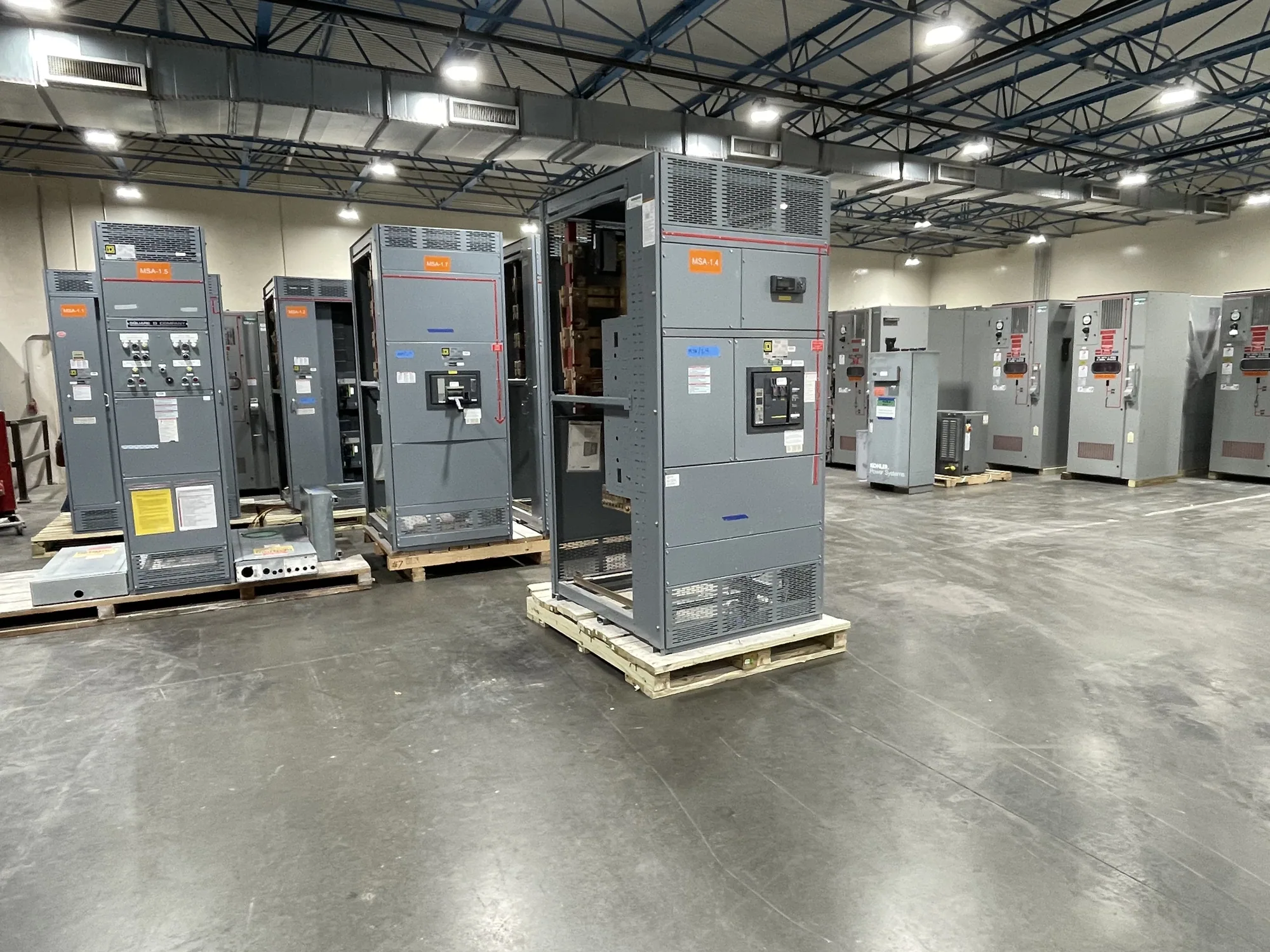
Arc-resistant designs may use reinforced enclosures, compartment features, pressure-relief provisions, and defined exhaust paths. The aim is to manage the pressure and products of an internal arc so they are directed away from specified areas under evaluated conditions. The precise construction and protected access areas vary by model and configuration, so buyers should not assume that every design has the same scope.
Ask what equipment configuration is covered and what assumptions apply to the intended installation. A design’s evaluated performance may depend on such factors as enclosure arrangement, doors and covers being closed and secured, available clearances, exhaust routing, and the specified access sides. The responsible project engineer and manufacturer should confirm those details against the actual equipment documents and site layout.
Limits, installation, and residual exposure
Protection should not be generalized beyond the stated design and evaluation. An installation that changes the specified arrangement, blocks an exhaust path, or places people outside the covered access conditions may not provide the intended protection. Damage, open doors, missing covers, incorrect assembly, or unapproved field changes also raise questions that must be resolved before relying on the equipment’s design features.
Arc-resistant construction does not mean all tasks are safe with the equipment energized. It does not by itself establish the risk for a particular task or determine what protective measures are appropriate. Qualified personnel must follow applicable safety procedures, including the project’s hazard assessment and controls. Do not approach or work on energized equipment on the assumption that an arc-resistant enclosure makes exposure harmless.
Illustrative scenario: checking the exhaust path
Consider a project where the equipment is specified with a pressure-relief path that discharges upward. If a room layout places a cable tray, ductwork, or routinely occupied work area in that path, the team should not assume the original protection intent still applies unchanged. The exact question is whether the installed arrangement matches the manufacturer’s specified configuration and evaluation conditions, not whether the lineup is simply described as arc-resistant.
Before finalizing room plans, coordinate equipment drawings, clearances, exhaust direction, access sides, and nearby building services. If the layout conflicts with the specified path, the engineer and manufacturer can review whether a different equipment arrangement or room design is needed. This example is not a substitute for reviewing the actual design: geometry, equipment details, and project conditions determine the appropriate answer.
Common misunderstandings and trade-offs
A common misunderstanding is that “arc-resistant” means arc-proof. It does not. Nor does the label alone tell a buyer which sides are covered, what operating state is assumed, or whether the planned installation preserves the intended features. Ask for the documentation applicable to the exact proposed assembly and confirm that the project specification describes the protection scope clearly.
Arc-resistant construction can affect equipment arrangement, room planning, access, and integration with other systems. Exhaust provisions and required clearances may influence where a lineup can be placed. Those trade-offs should be considered early, alongside electrical requirements, maintainability, and the project’s safety strategy. The appropriate design is the one that fits the actual application and verified requirements—not a broad claim that one feature removes all risk.
Questions to resolve before specifying equipment
For a useful review, provide the responsible engineer and manufacturer with the equipment type and voltage class, one-line diagram, project specification, intended lineup arrangement, room drawings, access-side expectations, and known exhaust or clearance constraints. Identify the work and operating conditions the project needs to address. The manufacturer can then review the requested configuration against its available designs; applicability, construction, and documentation must be confirmed for the specific order.
- Which sides and operating conditions are included in the specified protection scope?
- What clearances and exhaust routing must the installation preserve?
- What documents verify the exact proposed configuration and applicable evaluation?
- How will the project’s hazard assessment and work procedures address residual risk?
Make arc resistance one verified safety layer
Use arc-resistant switchgear as a defined design measure within a broader, project-specific safety plan. Have qualified engineering personnel verify the equipment scope, installation conditions, and relevant requirements before procurement and again as the installation is coordinated. The manufacturer can address product configuration questions, but site-specific risk decisions and safe work practices remain matters for the responsible project team.
The practical conclusion is straightforward: arc-resistant construction may reduce exposure to certain effects of an internal arc under specified conditions, but it cannot guarantee that an arc flash will not occur or that no one can be harmed. Confirm what the equipment is designed to do, preserve those conditions in the installation, and plan for remaining hazards rather than treating the feature as a substitute for safety controls.