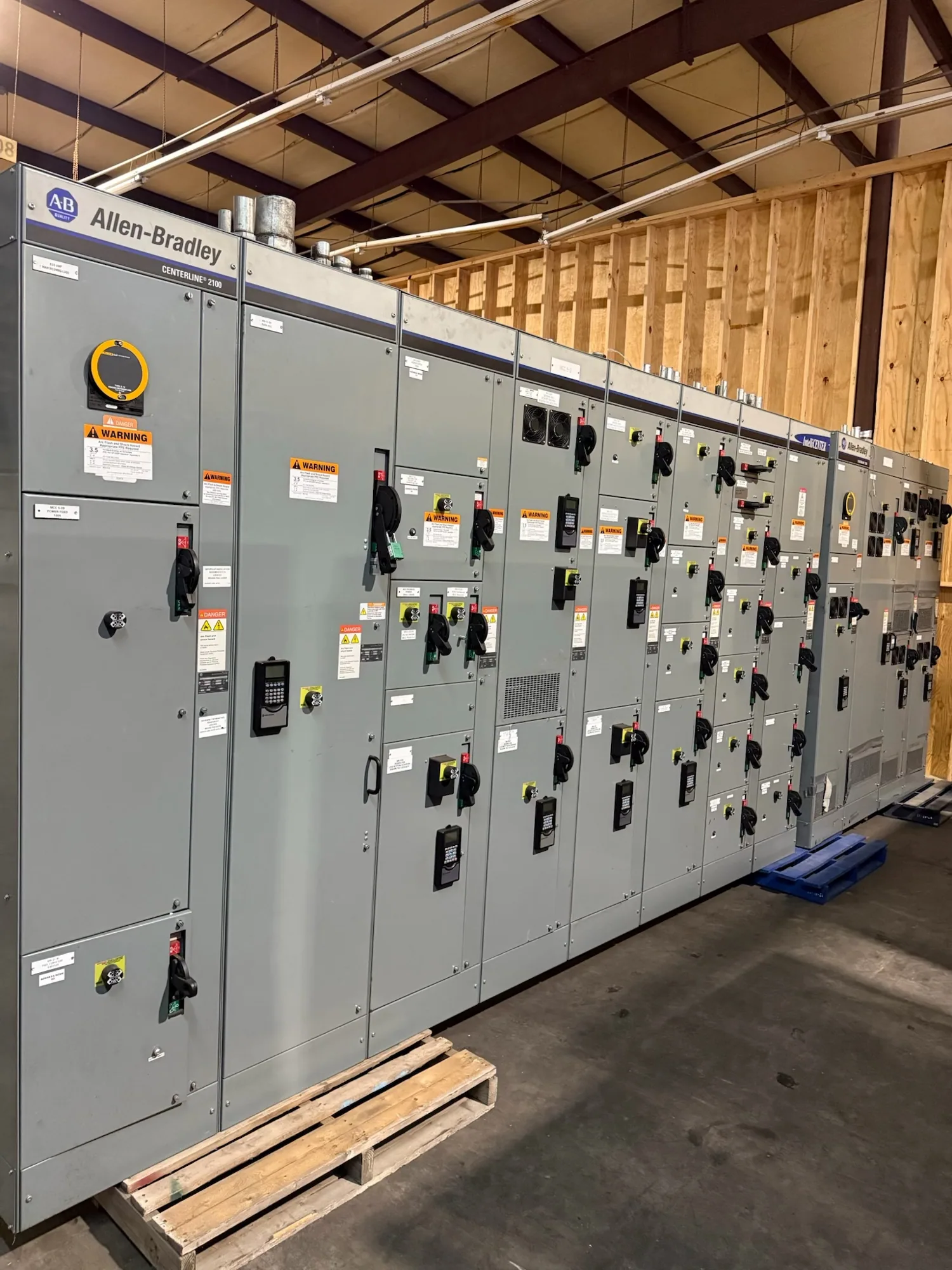
Start with the required equipment class
There is no universal answer to whether low-voltage switchgear or a switchboard is preferable. Start with the project’s electrical design and the equipment class specified by the responsible engineer. These are related distribution assemblies, but they are not interchangeable labels for the same product. The required function, construction, applicable standards, protection scheme and operating needs should determine the selection.
Identify where the assembly sits in the distribution system and what it must control or feed. Gather the one-line diagram, system voltage, source information, feeder and load schedule, available fault-current information, and project specifications. The engineer should establish the required ratings and protection based on the actual system. A manufacturer can then review whether a proposed custom assembly can meet the documented scope.
Compare construction and protective devices
Compare the specified construction and devices rather than relying on a product name. The design may call for particular circuit breakers, fuses, metering, controls, compartment arrangements or access provisions. Ask how the equipment must isolate circuits, support operation and accommodate the intended maintenance approach. Which features are essential depends on the project; they should be stated in the specification and confirmed for the proposed assembly.
Protective-device selection is an engineering decision, not a shortcut for choosing one equipment class. The responsible engineer must coordinate device types and settings with the system, connected loads and protection study. Confirm the required interrupting and withstand capabilities, as applicable to the design, against project documents and manufacturer data. Do not assume that equipment with a similar lineup or rating offers the same protection or operational characteristics.
Verify standards and assembly requirements
Standards language deserves particular care. UL 891 applies to eligible low-voltage switchboards; whether it applies and whether a particular assembly is listed must be verified for that specific design. Do not treat UL 891 as a general switchgear standard or assume every switchboard configuration carries the same listing. Ask the manufacturer to confirm the proposed assembly’s applicable listing, if required, against the final specification.
Have the project engineer identify applicable codes, standards and owner requirements for the installation. Resolve any conflicts among drawings, specifications and equipment schedules before ordering. Standards applicability can depend on the equipment type, configuration and project scope. A product description alone does not establish compliance, listing, testing or a specific rating; obtain confirmation for the actual equipment being supplied.
Balance operation, maintenance and space
Consider how operators will use the assembly and how qualified personnel are expected to inspect, test and maintain it under applicable safety procedures. Review access, working clearances, cable entry, termination space, device arrangement and any desired isolation features. A more elaborate configuration may address specific operating or maintenance needs, but can also affect footprint, coordination and cost. Ask the engineer to distinguish required features from preferences.
For example, a project with a defined feeder arrangement and a requirement for particular breaker compartments should specify those features rather than asking for “switchgear” as a shorthand. Another project may have a switchboard design already established in its documents. In either case, compare the proposed assembly with the one-line diagram, protection requirements, available installation space and project standards. The example illustrates a review method, not a recommendation that one class always fits.
Clear up common selection misunderstandings
Names used informally by different teams can obscure what is actually required. A bid request, drawing note or conversation may use “switchgear” broadly, while the project documents call for a specific type of low-voltage assembly. Ask the engineer to resolve terminology and define the required equipment class, construction and devices in writing. Do not accept a substitution based only on similar appearance, voltage class or general purpose.
Likewise, do not infer that a preferred assembly will fit simply because the system is low voltage. A 480 V-class assembly is low voltage, but that description alone does not determine its ratings, configuration, listing or suitability. The engineer and manufacturer should verify design-dependent details from the actual project information and proposed equipment. Any alternatives should be reviewed and approved through the project’s normal engineering process.
Prepare a useful quote and design review
To compare options or request a manufacturer review, provide the one-line diagram, specifications, equipment schedule, system voltage, source and load details, and known fault-current and protection-study information. Include required devices and ratings, enclosure and access needs, cable entry preferences, installation constraints, applicable standards, and the desired delivery window. Mark unresolved items clearly instead of allowing assumptions to become purchase requirements.
Ask which equipment class the documents require, what project-specific ratings and protective devices must be confirmed, and whether any proposed configuration changes affect listing or standards applicability. Also confirm what information remains outstanding, how drawing review and approval will proceed, and whether availability and delivery dates can be confirmed for the order. New equipment can be custom to specification; configuration and lead time depend on the project and must be confirmed.
Make the decision through documented review
The practical choice is the assembly class that satisfies the engineered scope, applicable requirements and intended operating approach—not whichever term sounds more robust. Have the responsible engineer define the need, then ask the manufacturer to review the exact documents and proposed configuration. Resolve deviations before purchase and coordinate submittals, approvals, manufacturing and delivery with the project team. Installation, testing and maintenance should be handled by qualified personnel following applicable safety procedures.