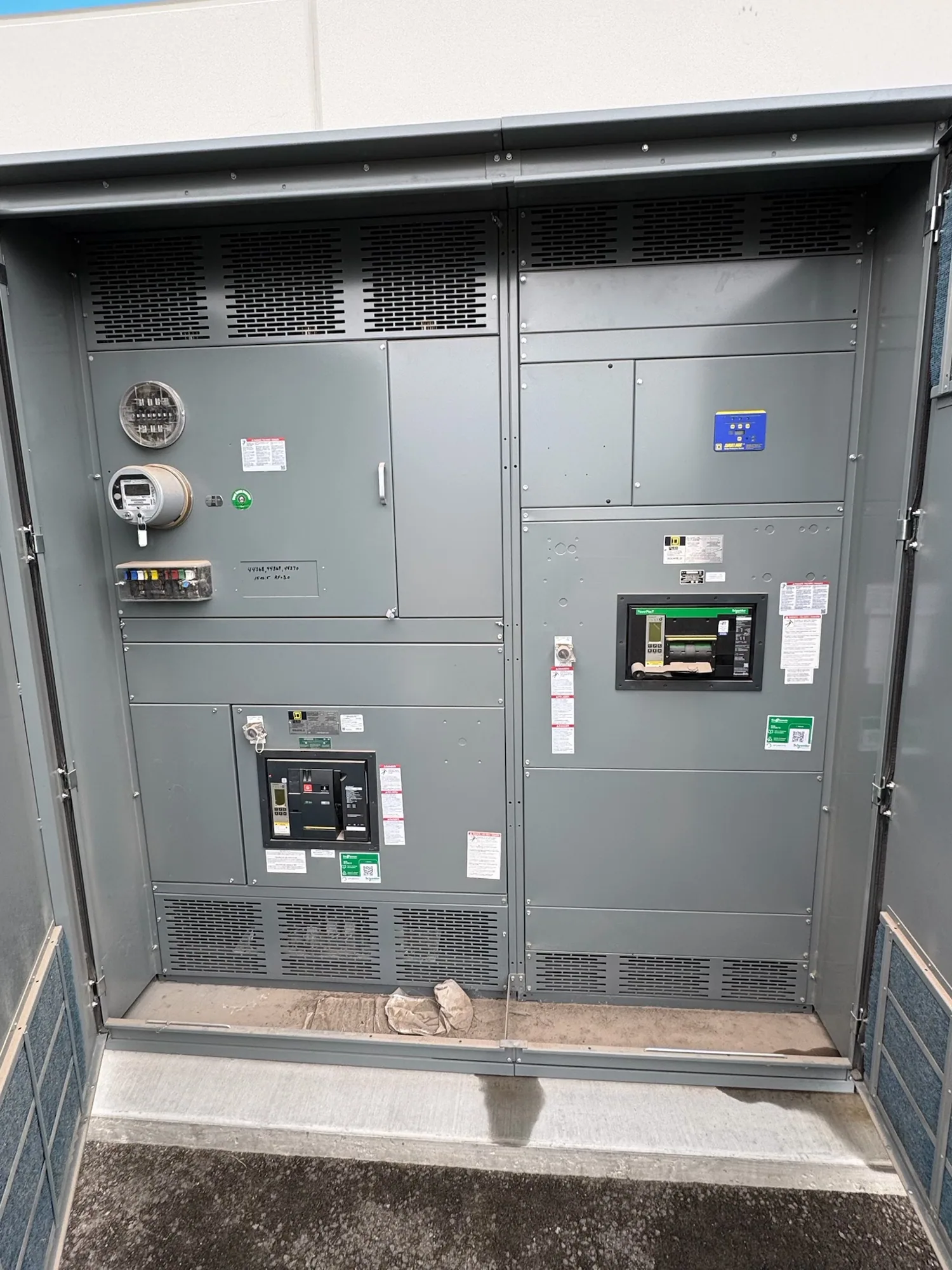
Washdown affects the complete installation
Washdown conditions influence enclosure selection because water, cleaning chemicals, temperature, and cleaning practices can expose electrical distribution equipment to stresses beyond ordinary indoor use. The right choice is not made from the word “washdown” alone. Project teams need to match the enclosure and assembly documentation to the actual location and cleaning exposure, while confirming that the equipment configuration meets the electrical requirements.
Start by defining what “washdown” means at the site. Occasional damp cleaning differs from routine hose-downs, directed spray, or cleaning with heated water or chemicals. The equipment’s distance from the cleaning area, orientation, nearby drains, and likelihood of splash or pooled water can also matter. The responsible project engineer should determine which conditions apply and specify them for the equipment manufacturer to review.
Map exposure by equipment location
A facility can have several exposure zones rather than one uniform environment. A distribution assembly in a dry electrical room may face different conditions from a panel near food-processing equipment or a production-area wash station. Consider both direct exposure and indirect pathways, such as spray reaching an adjacent wall, water collecting under equipment, or cleaning activity occurring while nearby surfaces remain wet.
For food and beverage facilities, coordinate enclosure decisions with the process layout and sanitation plan. Identify where cleaning occurs, how operators direct spray, and whether production equipment or barriers protect the electrical installation. Do not assume a room label or a nearby enclosure’s selection establishes suitability for another location. The actual placement and specified equipment design need review.
Document the cleaning method and environment
Provide a practical description of cleaning practices rather than a broad label. Include the cleaning frequency, water application method and direction, whether water is heated, the chemicals used if known, and any relevant temperature or humidity conditions. Explain whether cleaning reaches the enclosure directly and whether hoses, tools, or production equipment could strike or obstruct it. These facts help the project team assess environmental exposure without guessing.
Also report site conditions that may affect materials or installation details, including corrosive atmospheres, condensation, dust, vibration, ambient temperature, and floor-level water exposure. Not every condition calls for a different enclosure, but omitting one can make a proposed design difficult to evaluate. The project specification should distinguish confirmed site facts from assumptions that still require review.
Verify the documented rating and assembly
Enclosure ratings are useful only when their scope and application match the project. Ask for documentation identifying the rating applicable to the proposed enclosure and clarify what exposure it addresses. Confirm that the documentation applies to the supplied assembly and its configuration, not merely to a component or a general product family. Rating suitability should be reviewed against the site conditions and project specification by the responsible engineer.
Doors, covers, cable entries, conduit connections, ventilation provisions, and other openings can affect how the finished equipment responds to environmental exposure. The selected design may involve tradeoffs between environmental protection, heat management, access, and maintenance. Do not assume that adding a seal or choosing a higher stated rating resolves every concern; request confirmation for the complete design, including installation interfaces and any specified accessories.
Consider an illustrative placement scenario
Suppose a facility plans to install a distribution assembly near a washdown production line. One proposed location is outside the direct spray path but close to a wall that operators rinse regularly. Another is farther away in a controlled electrical area. The better option cannot be decided from distance alone: the team should compare actual spray patterns, water movement, cleaning procedures, access needs, and the documented suitability of each proposed equipment configuration.
A common misunderstanding is that “washdown-rated” automatically means suitable for any washdown. It does not replace review of the actual cleaning method, chemical exposure, installation details, or assembly documentation. Nor should an enclosure label be treated as proof that every internal component or project-specific configuration is appropriate. The manufacturer and qualified project professionals must confirm applicable ratings and design details for the equipment being supplied.
Prepare useful information for the manufacturer
When requesting a proposal, provide the one-line diagram, system voltage and electrical requirements, equipment location, and the relevant environmental and cleaning details. Identify the intended enclosure rating or performance criteria if the project engineer has established them. Include space limitations, cable-entry preferences, access constraints, and any coordination requirements with adjacent equipment. State which details are firm and which remain under review so open design questions are visible.
Ask the manufacturer to identify the documentation available for the proposed assembly and to flag any assumptions about site exposure or installation. Confirm configuration, ratings, listing applicability where relevant, testing requirements, and delivery expectations against the actual specification. Availability and lead times depend on the order and should be confirmed. South Carolina Switchgear Builders manufactures new equipment to specification, with US-built construction, all-American components, and nationwide shipping.
Coordinate selection before finalizing the layout
Resolve enclosure questions while the layout and cleaning plan can still be coordinated. The project engineer should establish the required environmental criteria; the facility team should describe real cleaning practices; and the manufacturer should review the proposed equipment against the supplied requirements. Qualified personnel are responsible for installation, testing, and maintenance under applicable safety procedures.
A sound selection is based on documented suitability for the actual location, not a generic washdown label. Clear site information and early review help the team compare placement options, understand design tradeoffs, and identify what must be confirmed before equipment is specified and ordered.