Start with the facility’s operating requirements
An operating facility should plan switchgear replacement as a coordinated electrical and operational project, not simply as an equipment order. Begin by identifying what the existing gear serves, which loads must remain available, what interruptions are acceptable and who has authority to approve an outage. A qualified project engineer should guide the electrical scope and coordinate it with facility operations and the installation contractor.
Define the required outcome before selecting equipment: replacement in the existing location, a redesigned arrangement, capacity for planned changes, or a combination. Record the present equipment’s function, connected systems, known constraints and unresolved issues. The project team should distinguish confirmed site facts from assumptions, then decide which assumptions need field verification before a design or purchase specification is finalized.
Survey the installation before specifying new gear
A field survey should document the existing equipment configuration and the conditions around it. Useful records include nameplates, drawings, feeder and load information, control and protection details, cable entry and exit points, grounding arrangements, room dimensions, working clearances, doorways and the route from receiving area to the final position. Photographs can help the engineering and manufacturing teams understand context, but they do not replace measurements or verification by qualified personnel.
Confirm what can be retained and what must change. Existing conductors, terminations, bus connections, protective devices and control interfaces may affect the replacement design, but compatibility cannot be assumed from appearance or nominal voltage alone. The responsible engineer should establish the applicable electrical ratings and protection requirements from project documents and site conditions. The manufacturer needs a sufficiently complete specification to confirm whether the requested new equipment can be configured for the application.
Choose a continuity and temporary-power strategy
Decide early how the facility will manage loads while the old equipment is disconnected and new equipment is installed. Options may include a planned shutdown, phased work where the system design permits it, or temporary power arranged by the project’s electrical professionals. Each approach has tradeoffs in duration, complexity, available capacity, switching sequence, space and risk. Temporary power is not automatically simpler; its source, connections, protection and operating responsibility require engineering review.
Build the continuity plan around actual loads and operating priorities. Identify essential processes, acceptable interruption windows, dependencies such as controls or communications, and any loads that can be scheduled offline. The facility and contractor should document who authorizes switching, how affected teams are notified, and what conditions must be met before work proceeds. No plan should depend on energized installation work; qualified personnel must perform work under applicable safety procedures.
Coordinate access, outage approvals and cutover
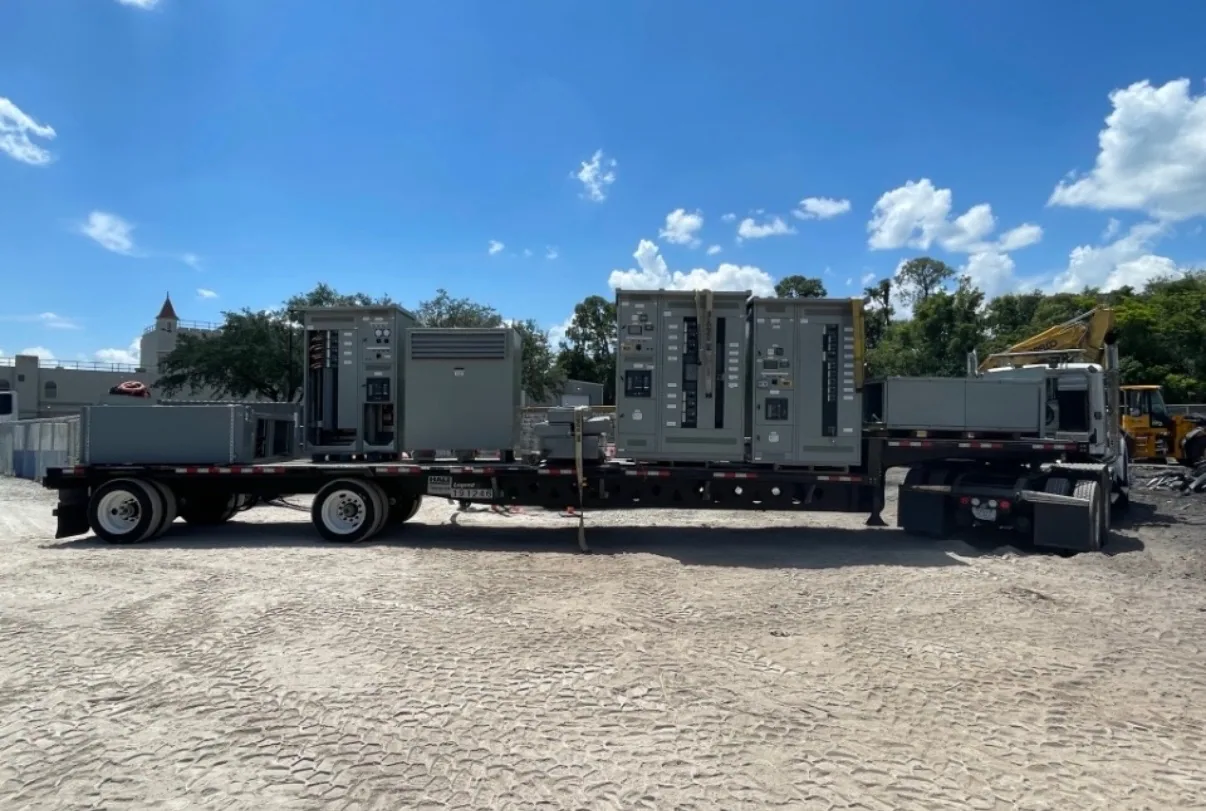
Equipment dimensions and electrical performance are only part of fit. Verify the delivery route, unloading method, floor and handling constraints, staging space, removal path for existing gear, and the sequence for moving sections into position. Resolve these details with the contractor before the order is released where possible. A design that fits the electrical room may still create a practical problem if the building route or installation sequence cannot accommodate it.
Set an outage approval process that matches the facility’s operating calendar and governance. The contractor should develop the installation and cutover method with the engineer and facility representatives, including interfaces, testing responsibilities, hold points and contingency decisions. Align that plan with the equipment’s confirmed configuration and delivery schedule. Availability and lead times depend on the order and must be confirmed; do not commit to an outage date based on an unverified delivery assumption.
Use a scenario to expose hidden assumptions
Consider a facility whose main distribution gear serves production loads that cannot all stop together. A phased replacement may seem attractive, but the existing arrangement might not allow safe separation, and temporary equipment could be limited by available space or connection points. The project team should test those assumptions against drawings and a site survey, then compare a controlled shutdown with feasible temporary-power or staged approaches.
This example does not establish that any one method will work. The engineer must verify system configuration, load needs, protection and coordination, while the contractor determines constructability and cutover sequence. The manufacturer should confirm the new equipment’s proposed arrangement against the issued specification. Selective coordination is a project-specific engineering question: request the required protection information and have the responsible engineer review the intended system rather than assuming replacement gear automatically preserves existing performance.
Prepare information for the equipment order
Before requesting a quotation, assemble available one-line diagrams, equipment schedules, photographs, verified dimensions, electrical and control requirements, cable details, environmental conditions and the desired delivery window. Mark unknowns clearly and assign responsibility for resolving them. State the equipment type and voltage class accurately, and identify any project-specific listing, testing, ratings or standards that the manufacturer must evaluate for the proposed design.
Ask what information remains outstanding, which design details require approval, and how changes after design review could affect configuration or schedule. South Carolina Switchgear Builders manufactures new switchgear and switchboards to specification, builds in the United States using all-American components and ships nationwide. The actual design, availability and delivery timing require confirmation for each order; no generic product statement substitutes for review of the project documents.
Close the planning loop before the outage
Before authorizing the cutover, confirm approved drawings, site measurements, access and handling arrangements, outage permissions, temporary-power decisions, contractor responsibilities, testing scope, acceptance criteria and communications with affected facility teams. Ask who can approve a change in the field and what conditions would pause the work. Keep the equipment delivery plan and contractor schedule aligned, with a clear process for addressing discrepancies before they threaten the outage window.
A replacement is ready to proceed only when the equipment scope, site conditions and operational plan have been reconciled by the people responsible for them. Start with verified information, make continuity choices explicit, and leave technical judgments with the qualified engineer and installation team. That disciplined sequence helps the facility make an informed equipment purchase and approach the cutover with fewer avoidable surprises.