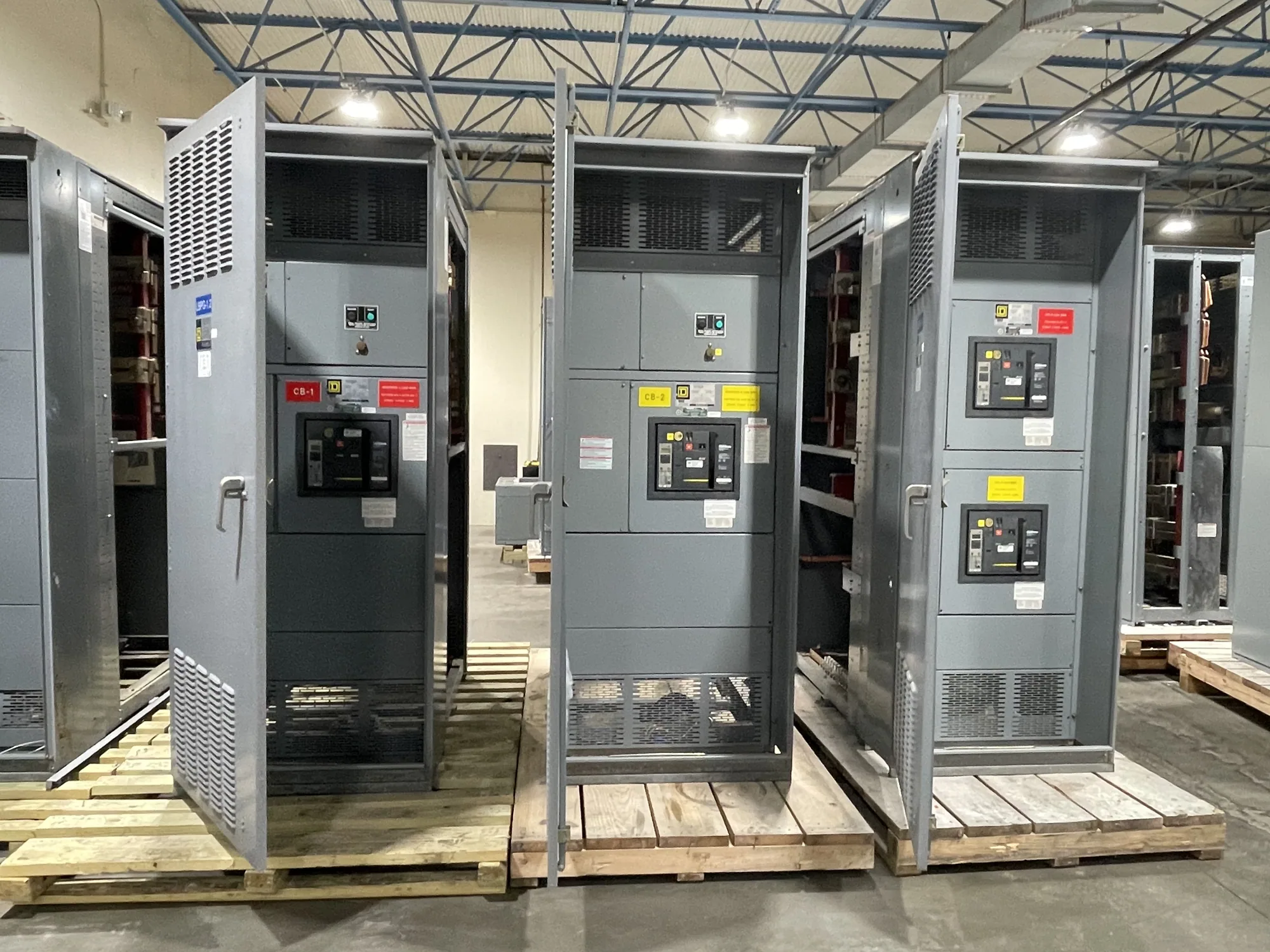
Two different questions about one assembly
No. An enclosure rating is not the same as an arc-resistant rating. An enclosure designation addresses how an enclosure is intended to protect equipment against specified external conditions, such as contact with parts or exposure to water or dust, depending on the rating system and designation. Arc resistance concerns how a particular switchgear design manages the effects of an internal arcing fault under defined conditions.
These properties may matter on the same project, but they are not interchangeable. A particular assembly could have an enclosure rating without an arc-resistant classification, or an arc-resistant design with enclosure characteristics that still need separate review. Neither label alone answers every safety or environmental question. Buyers should treat them as separate requirements and have the project engineer confirm how each applies to the proposed equipment and installation.
What an enclosure rating tells you
An enclosure rating describes performance against identified environmental or access conditions. The exact meaning depends on the rating system, its code, and the equipment configuration. It is not a general guarantee that the assembly can withstand every site condition. Outdoor exposure, washdown, dust, corrosive surroundings, condensation, temperature, and access concerns may call for different design considerations, and not all are resolved by one designation.
When specifying an enclosure, identify where the equipment will be installed and what it may encounter. Describe whether it is indoors or outdoors, the mounting arrangement, likely moisture or particulate exposure, and any unusual ambient or corrosion concerns. The responsible engineer should determine the applicable rating and verify that the complete proposed assembly—not merely a component or cabinet description—meets the project requirement.
What arc resistance addresses
Arc-resistant switchgear is designed and evaluated for a distinct purpose: managing specified effects of an internal arcing fault, such as hot gases, pressure, and expelled materials, in a defined configuration and under stated conditions. The classification does not mean an arc fault cannot occur, nor does it eliminate the need for an electrical safety program, protective-device coordination, safe operating procedures, or qualified personnel.
Applicability depends on the equipment design and the conditions associated with its classification. Construction details, compartment arrangement, access, installation, and the intended location of personnel can affect whether a particular configuration fits the project. Ask the manufacturer and responsible engineer to identify the exact equipment covered, the applicable classification and limitations, and any installation conditions that must be maintained. Do not infer arc resistance from a cabinet label or an enclosure designation.
How the requirements can interact
Consider a facility planning switchgear for an outdoor electrical area where workers may operate equipment nearby. The project may need protection against the site’s weather and exposure conditions, as well as a separately specified approach to internal arc-fault effects. Selecting an enclosure designation that fits the environment does not, by itself, satisfy an arc-resistant requirement. Likewise, specifying arc-resistant switchgear does not automatically settle weather, corrosion, or other enclosure needs.
These requirements can also affect layout and coordination. An arc-resistant configuration may require particular installation clearances, exhaust paths, or room arrangements, while an environmental enclosure choice may influence access, ventilation, or other design details. The actual tradeoffs depend on the specified equipment. Have the project team review the one-line diagram, site conditions, room or pad layout, operating practices, and manufacturer documentation together rather than treating each label as an independent shortcut.
Common specification misunderstandings
A frequent mistake is assuming that a higher or more demanding enclosure designation automatically provides greater protection from an internal arc. It does not establish that performance. Another is treating “arc-resistant” as an unrestricted promise that people can safely approach equipment during every fault or operating condition. The classification applies only within its defined scope and does not replace risk assessment, protective settings, maintenance, or safe work practices.
Also distinguish the equipment assembly from its individual parts. A rating or claim associated with a component does not necessarily describe the completed lineup as installed. Changes to arrangement, openings, cable access, or field modifications may affect whether the original design assumptions remain applicable. Before accepting a specification or submittal, ask what exact assembly and configuration the documentation covers and what conditions are required for the stated performance.
Information to provide for a reliable review
When requesting a new switchgear proposal, provide the system voltage and configuration, available fault-current information if established, one-line diagram, intended indoor or outdoor location, environmental exposures, and installation layout. State whether arc-resistant construction is required or under evaluation, who will operate or work near the equipment, and any project-specific safety or owner requirements. Do not guess at ratings; identify unknowns for the engineer to resolve.
Ask for separate confirmation of the proposed enclosure characteristics and any arc-resistant classification, including the equipment scope, stated conditions, limitations, and required installation details. Request applicable product documentation and identify any assumptions that still need engineering review. Availability and lead time depend on the actual configuration and order, so confirm them during procurement rather than assuming a standard design or delivery schedule.
Resolve both requirements before procurement
Use the specification to make the two questions explicit: What environmental protection must the assembly provide at this location, and what arc-fault performance, if any, is required for the project? Then confirm each answer against the complete equipment design, drawings, installation conditions, and applicable project requirements. A manufacturer can help clarify available configurations, but the qualified project engineer must determine suitability for the application.
Keeping the requirements separate makes reviews more precise and reduces the risk of an unsuitable substitution. Confirm the final design and documentation before release for manufacture, and coordinate equipment layout with the electrical and facility teams. Installation, testing, and maintenance should be performed by qualified personnel under applicable safety procedures. An enclosure designation may be important, but it cannot stand in for a separately verified arc-resistant specification.