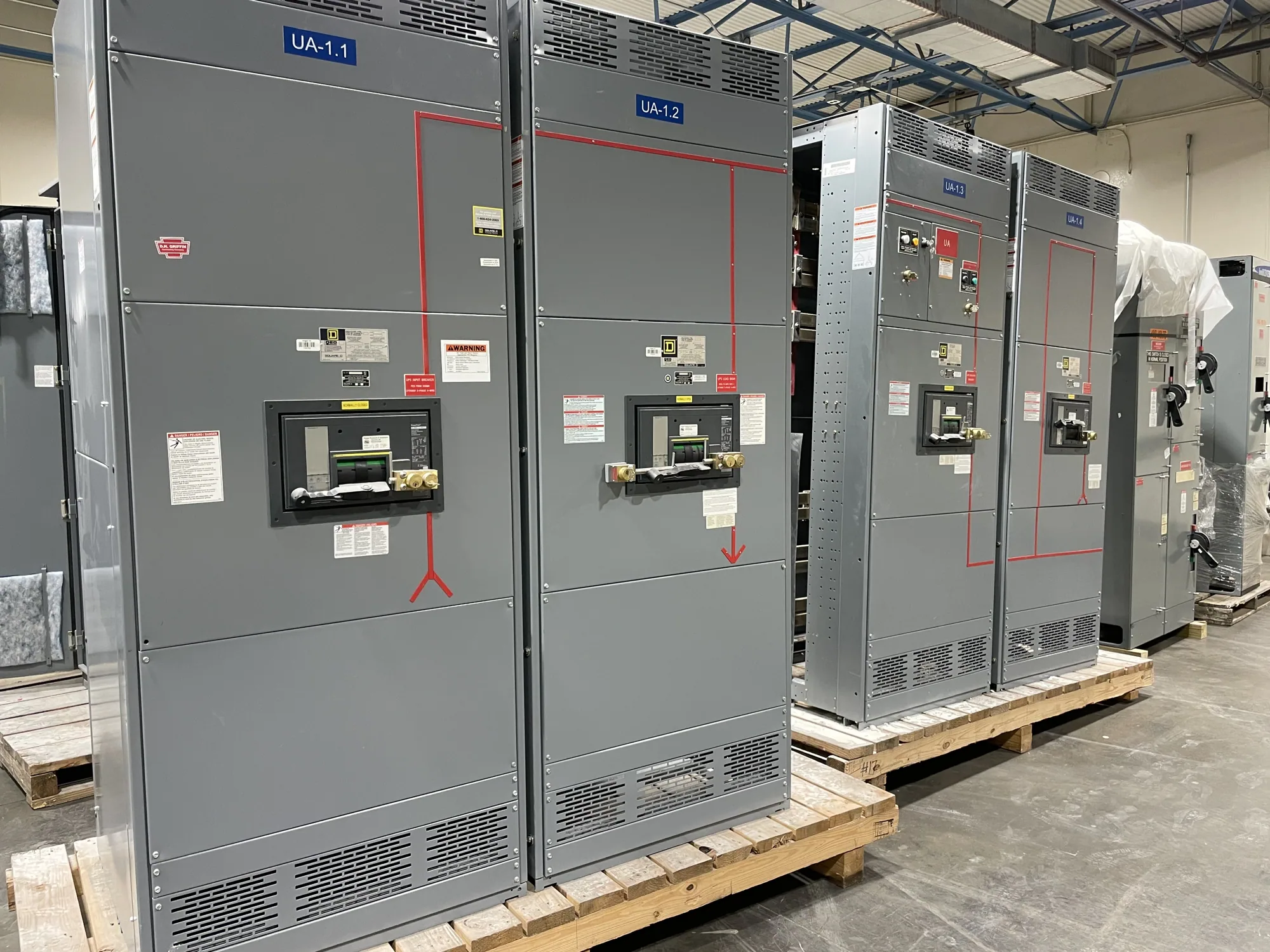
There is no single price for switchgear
The cost of electrical switchgear is shaped by the equipment’s electrical design, the devices and features included, the enclosure and construction, project documentation, requested testing, and delivery requirements. A price is meaningful only in relation to a defined scope. Two assemblies described with the same general product name can differ substantially once their ratings, layout, protective devices and project obligations are specified.
For a new-equipment purchase, the most useful comparison is between offers that address the same one-line diagram, specifications, options, exclusions and delivery destination. A lower initial quote may omit items that another supplier includes, while a broad preliminary estimate may need revision after engineering details are resolved. Confirm what each proposal covers before treating the numbers as equivalent.
Electrical ratings and system design
Start with the project’s electrical requirements. The voltage class, continuous current requirements, available fault-current information, bus arrangement and system configuration can affect the design and equipment selection. Low-voltage equipment, such as a 480 V class switchboard, is not interchangeable with medium-voltage switchgear. The responsible project engineer must establish the applicable requirements; the manufacturer needs those inputs to determine whether the requested design is feasible and what it entails.
Configuration also matters. The number and type of sections, incoming and outgoing circuits, bus connections, metering needs, protective functions and provisions for future work all influence the assembly. A project with a straightforward lineup may require a different scope from one with multiple sources or specialized control requirements. Do not assume that adding spare spaces, a transfer arrangement or a particular protective device is a minor change; define the function and ask how it affects the proposal.
Devices, enclosure and installation constraints
Specify the required breakers, switches, metering, control components and accessories rather than relying on a broad label such as “complete gear.” Device selection can affect both equipment cost and the engineering needed to coordinate the assembly. If components are named in a project specification, identify whether substitutions are permitted and who must approve them. Any proposed alternative should be reviewed for suitability against the actual system and project documents.
Enclosure requirements and site conditions can also change scope. Provide the intended indoor or outdoor application, environmental considerations, available room, access route and any known dimensional limits. Construction details, cable entry, working clearances and connection arrangements may require coordination with the building and installation design. The manufacturer should confirm what enclosure and construction options are available for the specified assembly; do not infer a particular rating or environmental capability from appearance alone.
Documentation, testing and standards
Engineering submittals, drawings, approved deviations, operating documents and other project deliverables take defined effort and should be identified in the request for quotation. List the required document types, review milestones and approval process. If the project requires special inspection, witness testing or other verification, describe it precisely so the scope can be evaluated. Requested testing and documentation must be confirmed for the actual design and order rather than assumed to come with every assembly.
State any standards or listing requirements in the project documents and ask the manufacturer to confirm their applicability to the proposed equipment. UL 891 concerns eligible low-voltage switchboards; its applicability and any assembly listing must be verified for the specific design. It should not be treated as a general requirement that applies to all switchgear or to medium-voltage equipment. Ratings, testing and compliance depend on the supplied configuration and require project-specific confirmation.
Schedule and freight affect the delivered scope
Requested delivery timing can influence the available design and production options, but no schedule should be assumed from a general product description. Lead times depend on the order and must be confirmed against its components, engineering status and production requirements. Provide the required on-site date, the date submittals are needed, and any approval or construction milestones. Ask which dates are firm, which depend on customer review, and what information is needed to maintain the agreed schedule.
Freight is another project-specific consideration. Give the destination, receiving constraints, unloading arrangements and any delivery appointment requirements. Nationwide shipping is available, but the shipping plan, cost and delivery date must be confirmed for the order. A quote should make clear whether freight is included, how delivery is defined, and whether the buyer must arrange unloading or coordinate access at the site.
Compare complete proposals, not headline figures
Consider a project that first asks for a basic low-voltage lineup, then adds metering, specified protective devices, a restricted footprint, extra review drawings and a particular delivery window. Each addition can change the engineering, components, documentation or logistics. This illustrates why an early budget figure is not a final price: the relevant question is whether the quoted scope matches the approved design and project requirements.
When reviewing proposals, look for the equipment description, included devices, stated ratings, options, exclusions, drawing and testing scope, freight terms, and assumptions about schedule. Resolve differences before comparing totals. If a requirement is still undecided, identify it as open rather than allowing suppliers to make different assumptions. A qualified engineer should verify the design basis and approve technical choices; the manufacturer should confirm what it can supply to that specification.
Information to include in a pricing request
For a useful request, provide the current one-line diagram, equipment specification, applicable project drawings and known system data. Identify the equipment type and voltage class, required circuit functions, preferred components, enclosure and installation conditions, documentation and testing requirements, destination, and target schedule. Note which requirements are mandatory and where alternatives may be considered. If some information is unavailable, state what is pending and ask what is needed to refine the quote.
South Carolina Switchgear Builders manufactures new switchgear and switchboards to specification, with US-built equipment, all-American components and nationwide shipping. Availability and actual lead time depend on the order and require confirmation. A well-defined request gives the manufacturer a sound basis to identify assumptions, flag missing inputs and prepare a proposal for review. Final pricing and configuration should be checked against the complete project specification before purchase.