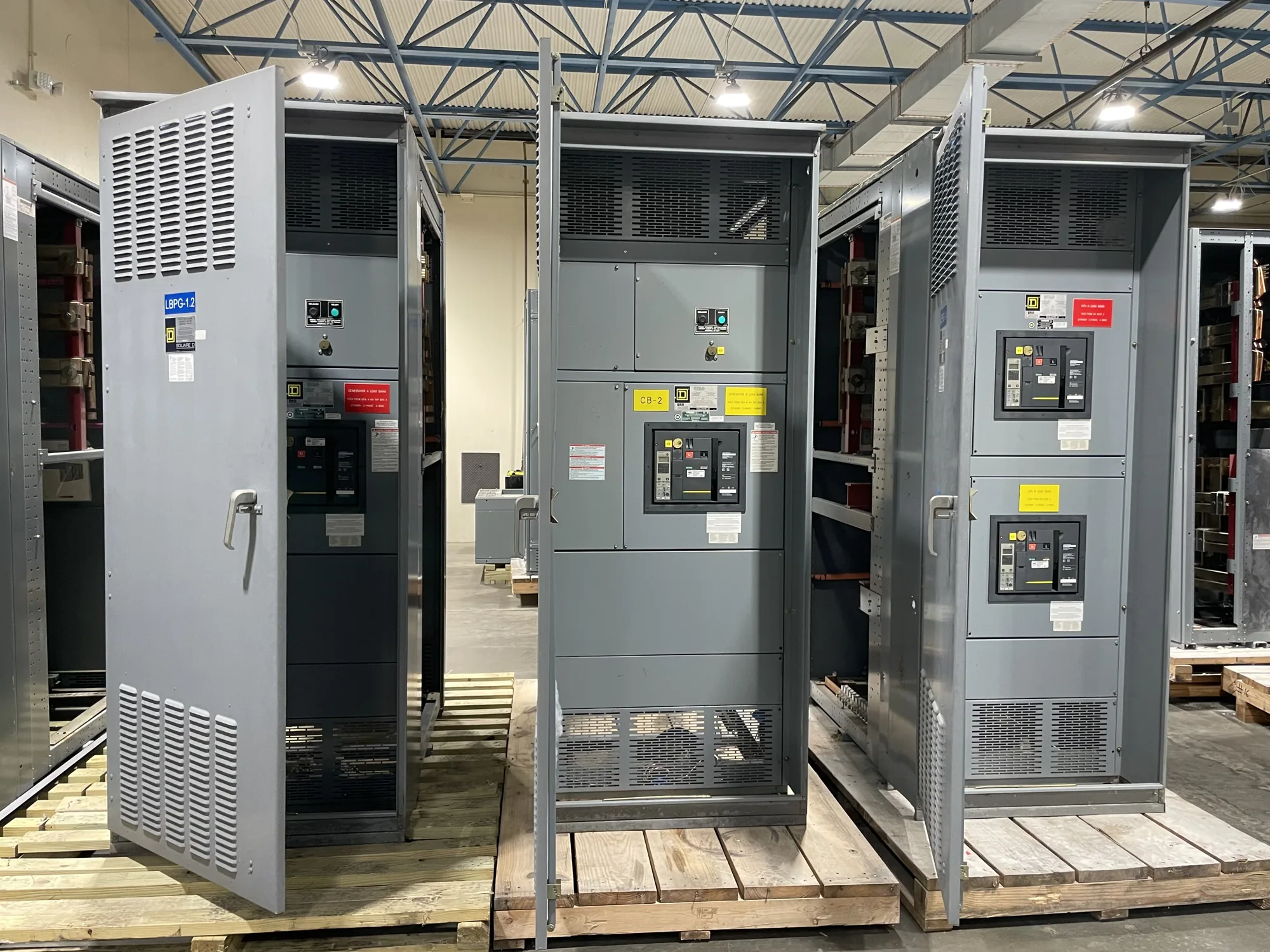
Start with the actual exposure
An outdoor switchgear enclosure should protect its electrical equipment from the environmental conditions it is designed and rated to withstand at the installation site. Depending on the application, those conditions may include rain, windblown dust, water from cleaning or runoff, sunlight, temperature extremes, corrosive substances, and physical access. The enclosure rating and construction must be checked against the project specification; “outdoor” alone does not define protection against every hazard.
Protection also means keeping the equipment suitable for its intended electrical function, while allowing required operation, inspection, and maintenance by qualified personnel. The enclosure is part of a coordinated assembly, not a substitute for sound site planning. Openings, doors, cable entries, ventilation, and accessories can affect how the completed design addresses exposure, so evaluate the specified assembly rather than relying on a generic enclosure description.
Weather, water, and airborne material
Rain and wind-driven precipitation are common considerations, but site water exposure can take other forms. Ask whether the equipment could encounter standing water, drainage overflow, splash, washdown, irrigation, or water from nearby processes. These conditions are not interchangeable. A rating intended for one type of exposure should not be assumed to cover another; the responsible project engineer must identify the credible exposure and verify that the selected enclosure and installation details address it.
Dust, sand, pollen, fibers, and other airborne material may enter or accumulate around equipment depending on the location. Consider nearby roads, construction, agricultural activity, industrial processes, and prevailing wind conditions. Also identify substances that could be corrosive or conductive, including salt-laden air or process contaminants. A general outdoor designation does not establish resistance to a particular chemical, corrosion environment, or concentration. Provide the manufacturer with the known site conditions for review against the proposed construction.
Temperature, sun, and condensation
Ambient temperature, direct sun, and daily temperature changes can influence the enclosure and the equipment inside it. Share expected site temperature ranges and whether the enclosure will receive sustained solar exposure or be shaded. Internal heat from the specified electrical equipment also matters. Ventilation, heaters, or other environmental controls may be considered for a design, but their need and suitability depend on the equipment, site, and project requirements; do not assume a feature is included unless it appears in the confirmed specification.
Moisture can also form through condensation when temperature and humidity conditions change. Ask how the design addresses the project’s stated environment and whether any specified accessories or maintenance provisions are appropriate. A sealed enclosure is not automatically a complete solution to every moisture concern, and adding openings or ventilation can change exposure considerations. Have the project engineer and manufacturer review the full configuration, including accessories and cable-entry details, rather than evaluating the enclosure shell in isolation.
Physical access and installation details
Outdoor locations may expose equipment to accidental impact, vehicle movement, vandalism, or unauthorized access. Identify nearby traffic, loading areas, public access, and any project requirements for barriers or controlled access. The enclosure’s suitability for these conditions must be confirmed from its specified construction; do not infer impact resistance or security performance from an environmental rating alone. The equipment layout should also leave the clearances and working access required by the project design and applicable safety procedures.
Mounting, foundation elevation, drainage, and cable routing can affect real-world protection. Tell the manufacturer whether the installation is pad-mounted or arranged another way, where conduits enter, and whether the site has known flood or runoff concerns. The responsible engineer should coordinate these details with civil and electrical plans. Field modifications can undermine intended enclosure protection, so penetrations, supports, and accessory locations should be identified and reviewed before fabrication.
Use an illustrative scenario carefully
Consider a switchgear lineup planned near a coastal industrial site. The word “outdoor” would not, by itself, resolve exposure to salt-bearing air, windblown rain, process residue, sun, or occasional washdown. The project team should describe those conditions, distinguish routine exposure from credible abnormal events, and ask which construction and rating address the specified environment. This is an example of the questions to raise, not a conclusion that any particular rating or material is sufficient.
A frequent misunderstanding is that a higher or familiar enclosure rating automatically covers every site hazard. Ratings have defined scopes, and they do not necessarily establish corrosion resistance, protection from flooding, thermal suitability, or security. Confirm what the stated rating covers for the actual assembly and what it does not. Any listing, performance claim, and accessory arrangement should be verified against the specific equipment documentation and project specification.
Information to provide before selection
For a useful design review, provide the equipment type and electrical specification, installation location, site exposure description, expected temperature range, water sources, airborne or corrosive contaminants, access and impact concerns, mounting arrangement, cable-entry plan, and any required enclosure rating. Include relevant project drawings and the environmental criteria established by the responsible engineer. If conditions are uncertain, identify the uncertainty instead of treating an assumption as a confirmed requirement.
Ask the manufacturer to confirm the proposed enclosure construction, rating applicability, accessories, and any limits or exclusions against those inputs. Also coordinate the enclosure with equipment dimensions, maintenance access, foundation details, and delivery sequencing. For new custom switchgear, availability and actual lead times depend on the order and must be confirmed. Clear, early information helps the project team resolve environmental questions before the design is finalized and fabrication begins.
Make the rating a project decision
The practical answer is to protect against the exposures that the installation can actually encounter—and to verify that the selected assembly is designed for them. A project-specific review should cover weather and water, airborne material and corrosion, temperature and condensation, physical access, and installation details. No single label can replace that review. Qualified project personnel should confirm the applicable requirements and ensure installation, testing, and maintenance follow the relevant safety procedures.