Document the site and intended use
Water and wastewater facilities should document how outdoor distribution equipment will be used, where it will be installed, and what systems it serves. Identify the facility area, connected loads, operating purpose, and whether the equipment supplies process, pumping, treatment, or building systems. Include the project stage and the person responsible for electrical design so open assumptions can be resolved before equipment is specified.
Mark the proposed location on a site plan and provide dimensions, nearby structures, equipment, and routes for incoming and outgoing conductors. Record the mounting surface, elevation, available footprint, and any constraints on delivery or placement. A clear layout helps the design team assess enclosure arrangement, working access, conduit entry, and coordination with civil and structural work without relying on assumptions from a general facility description.
Describe environmental exposure in specific terms
“Outdoors” does not describe the full environment. Document whether the location is exposed to rain, standing water, washdown, spray, condensation, direct sun, windblown debris, or flooding concerns. Note nearby cooling towers, treatment processes, chemical storage, salt exposure, or other sources of moisture and corrosive contaminants. Where conditions vary by season or operating state, explain when and how exposure occurs.
Identify chemicals by name when known, and describe their concentration, form, and likely path to the equipment. Distinguish routine cleaning from accidental releases or unusual events. Include site observations, available environmental assessments, and relevant operating records, while asking the responsible engineer to determine which conditions govern the design. Do not assume that a generic outdoor enclosure or coating is suitable for every water-treatment environment.
Record ambient temperature ranges, altitude or other site conditions when specified by the project, and whether equipment could experience rapid temperature changes or persistent humidity. Explain drainage patterns and the likelihood of water collecting around the installation. Environmental requirements, enclosure details, materials, and ratings must be evaluated for the actual design; a list of site conditions gives the manufacturer and engineer a sound basis for that review.
Provide electrical requirements and interfaces
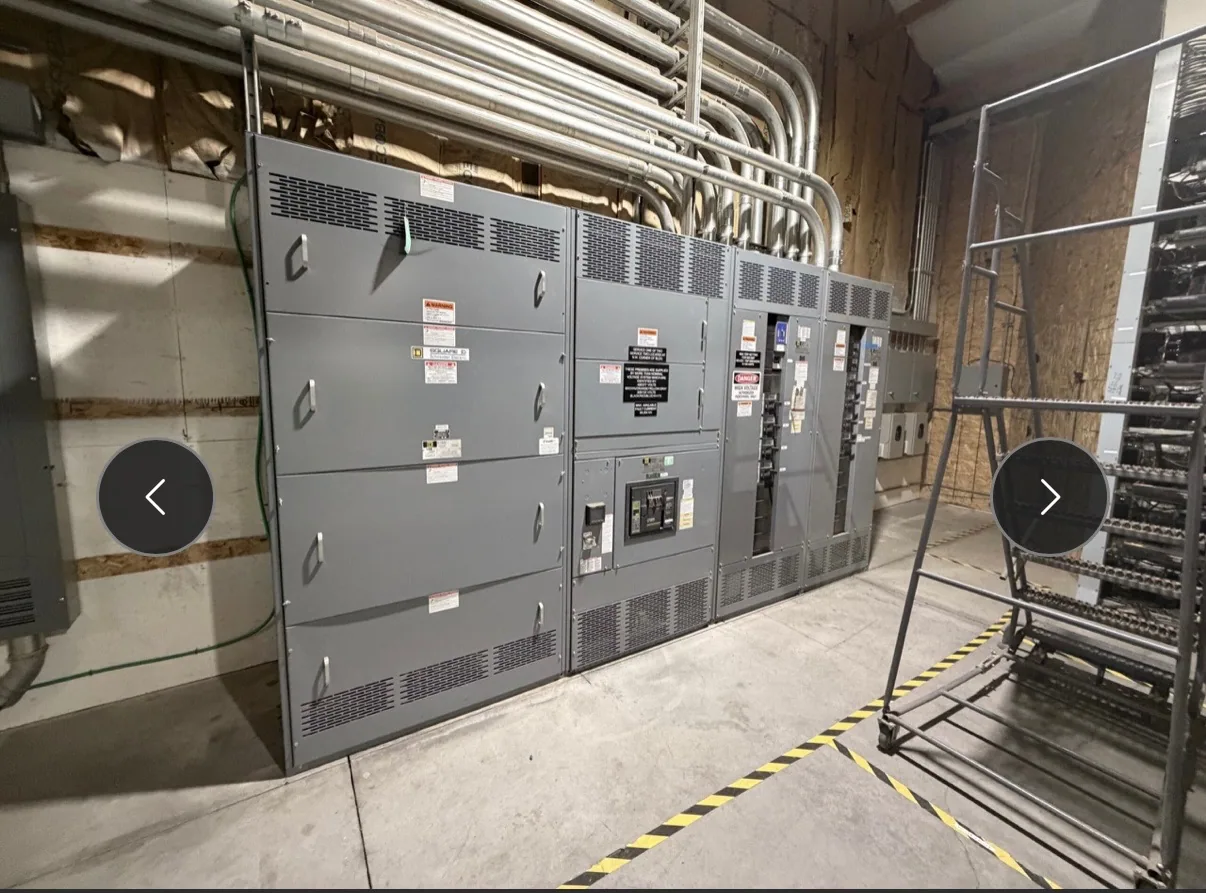
Submit the one-line diagram and identify the intended equipment type, system voltage, phase, frequency, available fault-current information, and grounding arrangement when established by the project engineer. Provide the required bus and feeder configuration, protective-device requirements, load schedules, and any coordination or metering criteria. Mark information that remains preliminary. These details help distinguish a switchboard application from a switchgear application and support a design that matches the specified distribution function.
Document control and communication needs alongside power requirements. List signals exchanged with plant controls, remote monitoring, alarms, interlocks, communications protocols, and control-power expectations, if applicable. Identify the responsible controls integrator and describe what information each party must provide. Control interfaces are project-specific; confirm signal definitions, terminal requirements, and functional responsibilities rather than assuming that a panel or device will communicate with the facility system without engineering coordination.
Plan access, operation, and maintenance
Show the space needed for qualified personnel to approach, operate, inspect, and maintain the equipment under the project’s applicable requirements. Note doors, gates, fences, adjacent piping, vehicle routes, overhead obstructions, and any limits on opening doors or removing components. Describe how equipment will be delivered to its final position and whether future replacement would require a crane, lift, or temporary access arrangement. Have the project team verify clearances and access provisions.
State who will operate and maintain the installation, how often inspection is anticipated, and what site practices affect it, such as scheduled washdown or seasonal shutdown. Ask for the equipment documentation needed by the facility, including approved drawings, wiring information, operating instructions, and maintenance guidance appropriate to the supplied design. Installation, testing, and maintenance should be assigned to qualified personnel following applicable safety procedures; documentation does not substitute for those procedures.
Resolve trade-offs with the project team
Consider a pump station where an outdoor distribution assembly sits near a washdown area and chemical dosing equipment. A site note saying “wet, corrosive location” is too broad to guide a reliable review. The facility should identify washdown frequency and direction, likely splash paths, chemicals and concentrations, drainage, and whether the assembly can be relocated or shielded. The responsible engineer can then assess practical design options against the actual exposure.
Protection choices may affect footprint, access, maintenance, and integration with conduits or controls. A more restrictive enclosure or added environmental protection is not automatically the best answer if it impedes servicing or fails to address the actual exposure. Conversely, a standard outdoor arrangement should not be presumed adequate near chemical processes. Ask the engineer and manufacturer to confirm the proposed configuration, ratings, materials, listing applicability, and other design-dependent details against the project specification.
Build a useful submittal and confirm open items
Before requesting a proposal for new equipment, assemble the site plan, one-line diagram, load and feeder information, environmental conditions, control-interface requirements, access constraints, and project schedule. Identify the governing specification and clearly separate confirmed values from items awaiting engineering review. State the requested equipment scope and any required documentation. Complete information helps a manufacturer develop a design to specification and identify questions early, though availability and actual lead times must be confirmed for the order.
Ask: What environmental conditions govern enclosure selection? Are chemical exposure and washdown paths understood? Which control signals and communication responsibilities belong to each party? Can qualified personnel safely access the assembly for operation and maintenance? Which project ratings, standards, tests, and listing requirements apply to this specific design? A manufacturer can review the supplied requirements and flag information that needs confirmation, while the responsible project engineer retains design authority. A documented, coordinated specification gives the facility a clearer basis for evaluating new outdoor distribution equipment before procurement and installation.