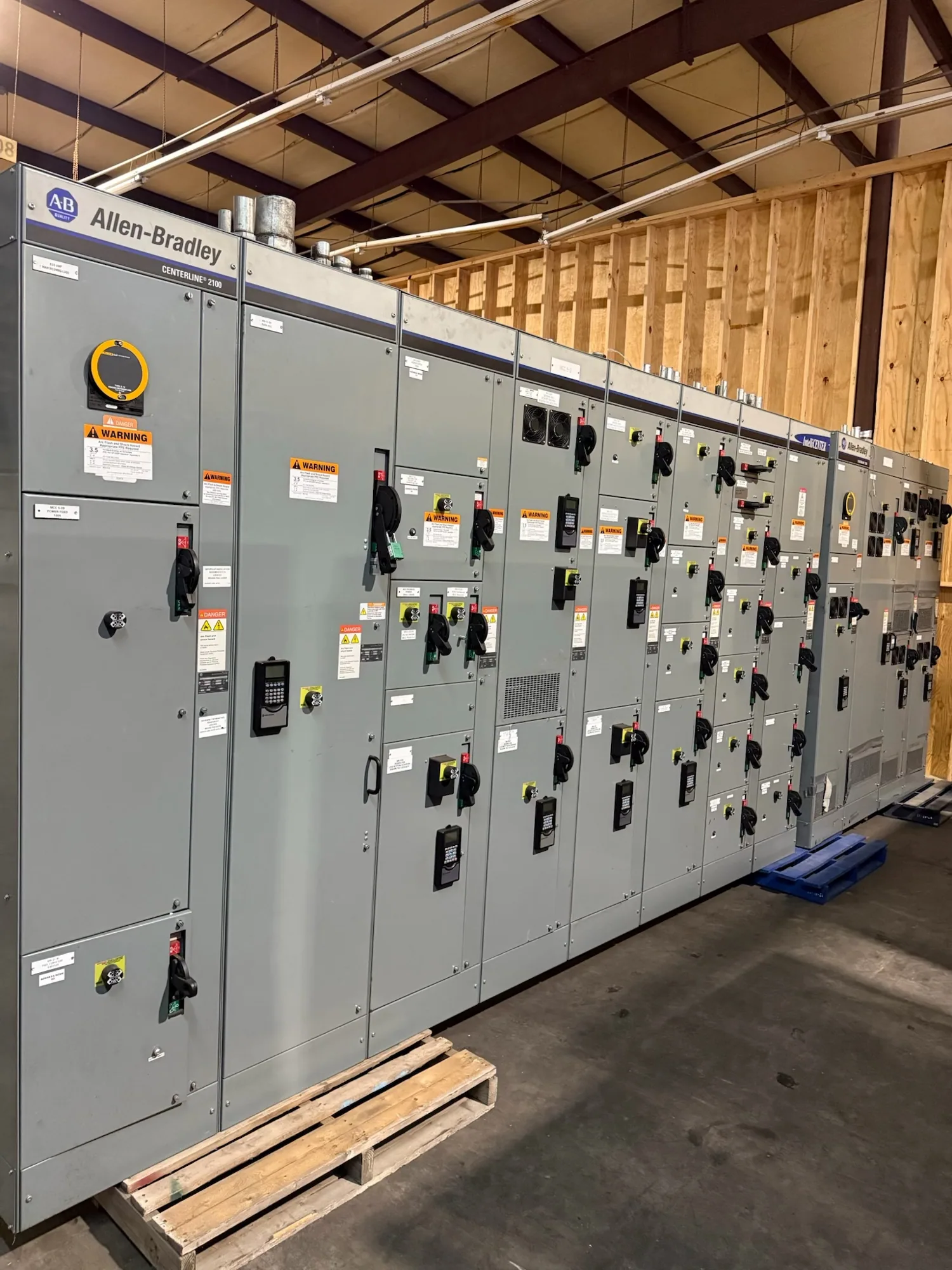
Start before electrical layouts are fixed
A chemical plant should consider area classification during early process and facility planning, before electrical equipment locations and building layouts become difficult to change. The review is especially important when a process may release flammable gases, vapors, combustible dust, or other materials addressed by applicable hazardous-location requirements. A qualified professional evaluates the actual process and site; a switchgear manufacturer cannot determine a plant’s classified boundaries from a general description.
Bring the question forward when planning a new facility, adding a process unit, changing materials, or modifying how a substance is stored, transferred, or handled. Consider it as well when a project relocates ventilation, piping, vessels, loading points, or electrical rooms. The goal is not to label an entire plant by industry alone, but to establish what conditions apply in specific locations and communicate them to the design team.
What classification contributes to equipment planning
Area classification is a technical input to electrical design, not a product selection made in isolation. The responsible engineer or other qualified professional assesses relevant substances, release sources, operating conditions, ventilation, and the applicable code framework. The resulting documents identify classified locations and their boundaries for the project. Equipment selection and placement can then be coordinated with those documented conditions and the specific requirements that apply.
For switchgear planning, the practical question is often whether a proposed electrical room or equipment location is within, adjacent to, or outside a classified area. Relocating equipment may be one design consideration, but it is not a substitute for the required engineering determination. Enclosures, installation details, connected equipment, and the assembly specification may all matter. The project engineer must establish the applicable requirements; the manufacturer can review the supplied specification and confirm what the proposed equipment can be built to address.
Review process and site changes
Revisit the classification basis when process chemistry or operating conditions change, when new equipment creates a different release scenario, or when ventilation and room arrangements are revised. Construction-phase changes also deserve review if they affect the assumptions used for electrical layouts. A previously completed assessment is useful project information, but the responsible professional should determine whether it still represents the actual design and intended operation.
Environmental and site conditions belong in the equipment discussion, but they are not interchangeable with area classification. Temperature, moisture, corrosive exposure, dust, and other location conditions may influence enclosure and material requirements. They do not, by themselves, establish a hazardous-location classification. Provide both the classification documentation and the environmental conditions so the engineer and manufacturer can evaluate the equipment against the complete application rather than infer requirements from a plant’s name or general process type.
Illustrative planning scenario
Suppose a plant plans a new transfer area and places a low-voltage switchboard in a nearby electrical room. Before the room location is finalized, the project team should ask the qualified classification professional to assess the relevant process and proposed layout. The team should coordinate room boundaries, openings, ventilation, and equipment placement with the applicable engineering review. This example does not establish that the room is classified or that a particular separation is adequate.
If the assessment and project requirements support the proposed location, the engineer can document the equipment conditions for procurement. If they do not, the design team can evaluate alternatives before the equipment specification is released. The same reasoning applies when considering medium-voltage switchgear: its voltage class does not determine area classification, and requirements for a particular assembly must be confirmed against the actual design and applicable project criteria.
Common misunderstandings to avoid
Do not assume every chemical plant area is classified, or that a single classification applies across the entire site. The answer depends on the specific process, materials, operating conditions, layout, and governing requirements. Nor should a buyer select equipment by relying on a room label, a neighboring installation, or a broad description such as “chemical service.” Those clues may help frame questions, but they cannot replace a qualified, project-specific determination.
Also distinguish classification from equipment listing, testing, ratings, and code compliance. They are related procurement considerations, but none should be inferred from another. The project team should identify what documentation is required and verify whether the proposed configuration meets it. Any listing or standard applicability must be confirmed for the specific equipment and assembly; not every product or switchgear design carries the same status.
Questions to resolve before requesting equipment
Before seeking a manufacturer quotation, gather the current one-line diagram, system voltage and available electrical data, project specifications, equipment location, and environmental conditions. Include the area classification documents and any stated boundaries, as well as the required function, incoming and outgoing connections, metering, protection, and operating needs. Identify whether the request concerns a 480 V class switchboard or 5 kV or 15 kV class medium-voltage switchgear; do not use voltage alone to imply a classification.
Ask the project engineer which requirements govern the proposed location, what procurement documents must accompany the equipment, and whether planned expansion or later process changes affect the design basis. Ask the manufacturer to review the actual specification, clarify available custom configurations, and confirm listing, testing, ratings, standards, availability, and delivery timing for the proposed design. South Carolina Switchgear Builders manufactures new, US-built equipment with all-American components and ships nationwide; configuration and lead time depend on the order and require confirmation.
Coordinate the decision with the project team
Area classification is most useful when it reaches the electrical designer, facility planner, procurement team, and equipment manufacturer before layouts and purchase documents are locked. Assign responsibility for maintaining current classification records and communicating design changes. Installation, testing, and maintenance should be planned by qualified personnel following applicable safety procedures. With a documented basis and complete specification, the team can evaluate placement and equipment requirements without treating an assumption as an engineering decision.