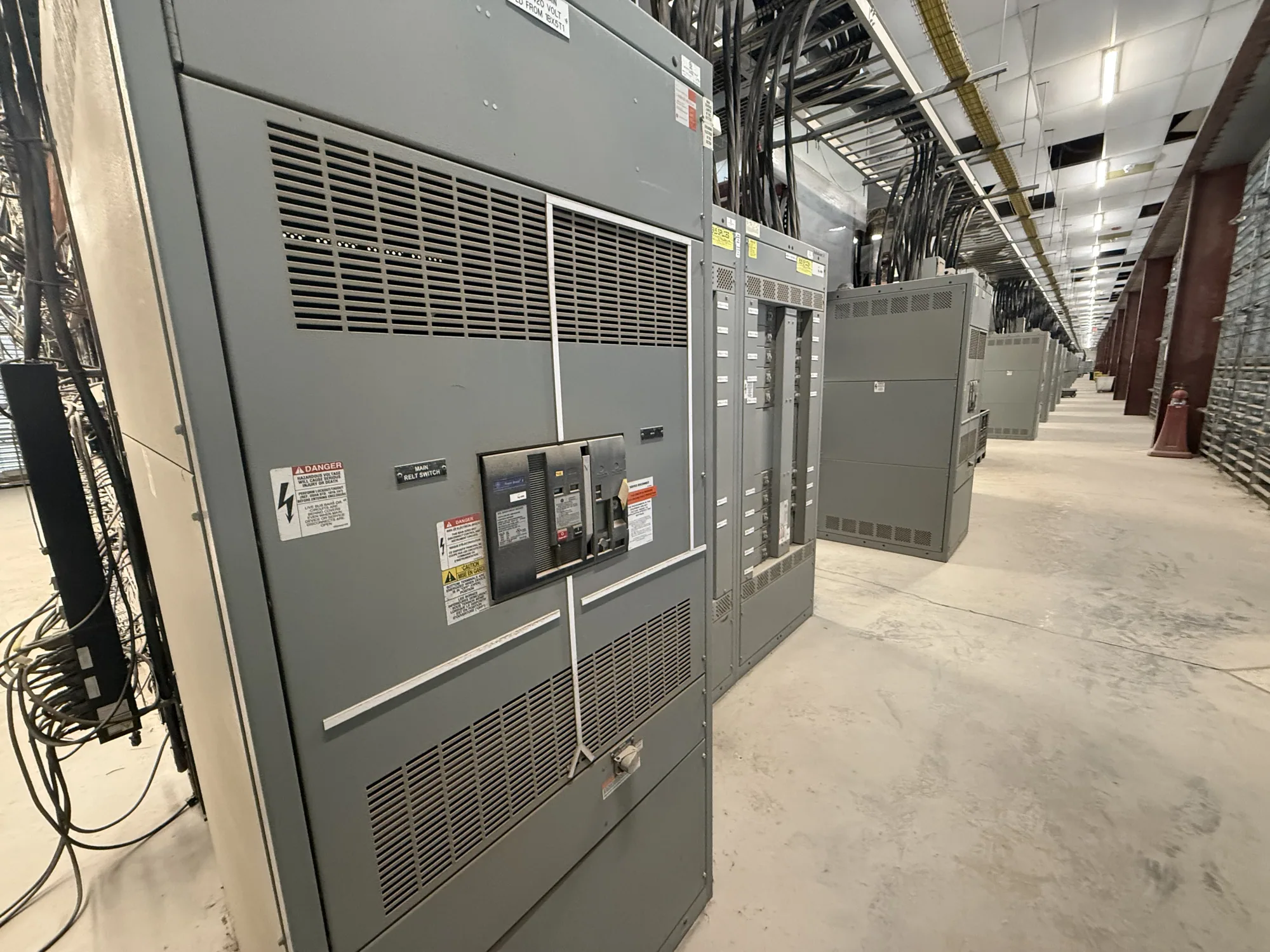
There is no single standards list for every switchgear assembly
The standards that apply to electrical switchgear depend on what the equipment is, how it is designed, and where and how it will be used. A low-voltage switchboard is not interchangeable with medium-voltage switchgear, and standards applicable to one component do not automatically establish compliance of a complete assembly. Project specifications, the authority having jurisdiction, and the adopted code editions also matter.
For a purchase or design review, treat standards as requirements to verify—not a generic label to assume. The project engineer and manufacturer should identify the standards and editions applicable to the specified equipment, then confirm how the proposed assembly addresses them. Without the equipment category, ratings, construction details, and project context, a definitive standards list would be misleading.
Equipment category changes the standards question
Start by distinguishing low-voltage switchgear or switchboards from medium-voltage equipment. For example, 480 V class equipment is low voltage, while 5 kV and 15 kV class equipment are medium voltage. These categories involve different equipment designs and may fall under different standards. Do not transfer a switchboard requirement to medium-voltage switchgear merely because both distribute electrical power.
UL 891 applies to eligible low-voltage switchboards; applicability and whether a particular assembly is listed must be verified for that design. It should not be presented as a blanket requirement for every switchgear product, nor applied to medium-voltage switchgear. Other standards may address particular equipment types, components, performance, or installation conditions. The responsible engineer should determine which are relevant to the specified product.
Project, jurisdiction, and edition affect applicability
Applicable requirements may come from project specifications, adopted electrical codes, jurisdictional rules, and owner or facility criteria. These sources can differ by project and location. The authority having jurisdiction interprets and enforces adopted requirements within its scope, while the project engineer translates design and site needs into equipment specifications. A manufacturer can review the requested configuration, but should not replace those project-specific determinations.
Standard editions matter as well. A specification may cite an edition, while a code or jurisdiction may adopt a different edition or amendment. Ask which edition governs and whether the project documents establish a hierarchy when requirements differ. Do not assume that the newest edition automatically applies, or that a past project’s approved equipment establishes what is acceptable for a new installation.
Consider an illustrative equipment selection
Suppose a project calls for a 480 V class low-voltage assembly. The team should first confirm whether the requested product is a switchboard or another assembly type, then identify its intended function, ratings, construction, and any required listing. If UL 891 is specified or proposed, confirm that it applies to the actual switchboard design and verify the assembly’s listing details rather than relying on a marking found on an individual component.
For a 5 kV or 15 kV class application, the team must instead assess medium-voltage switchgear requirements relevant to that equipment and project. The low-voltage example does not determine those requirements. In either case, the engineer and manufacturer should resolve the specified standards, editions, ratings, and documentation before finalizing the design. This illustrates a review process, not a claim that a particular standard applies to every installation in that voltage class.
Separate component markings from assembly evidence
A marking on a breaker, instrument, or other component does not by itself certify the complete switchgear assembly. Assembly construction, component use, and the listing or evaluation scope must be considered together. Ask what the marking covers, which equipment it identifies, and whether documentation applies to the finished assembly in its specified configuration. A component approval should not be described as proof that every assembled product meets every project requirement.
Likewise, avoid treating “built to a standard” as sufficient evidence without clarifying the standard, edition, scope, and verification basis. The applicable evidence may depend on the specified design and procurement documents. Request written confirmation of relevant listing or testing details where required, and have the responsible engineer assess whether that evidence meets the project and jurisdictional requirements.
Information to settle before requesting a quotation
Give the manufacturer the equipment category, voltage class, intended application, required ratings, project location, and governing specification documents. Identify every cited standard and edition, any required listing, and the party responsible for approving deviations or substitutions. If the documents conflict or use broad wording such as “switchgear,” ask the engineer to clarify the intended equipment type and standard scope before the quotation is finalized.
Also ask who will confirm code adoption and jurisdictional requirements, what assembly documentation will be supplied, and which design-dependent details need approval. A focused request for quotation helps the manufacturer identify questions early and helps the project team compare proposals on a consistent basis. Listing, testing, ratings, and standards should be confirmed against the actual supplied equipment, not inferred from a general product description.
Confirm the applicable requirements with the project team
For a practical decision, prepare a standards matrix listing each cited requirement, its edition, the equipment or feature it covers, and the party responsible for verification. Have the project engineer resolve jurisdictional and design questions, then ask the manufacturer to confirm how the proposed assembly matches the clarified specification. This keeps the review tied to the project rather than an assumed universal checklist.
Before release, reconcile the final equipment description, drawings, requested evidence, and purchase documents. If a requirement is unclear, obtain a written interpretation from the responsible project authority rather than assuming that a component label or familiar standard settles the question. This coordination gives the buyer a clearer basis for selecting new equipment and for confirming that the final configuration addresses the requirements identified for the installation.