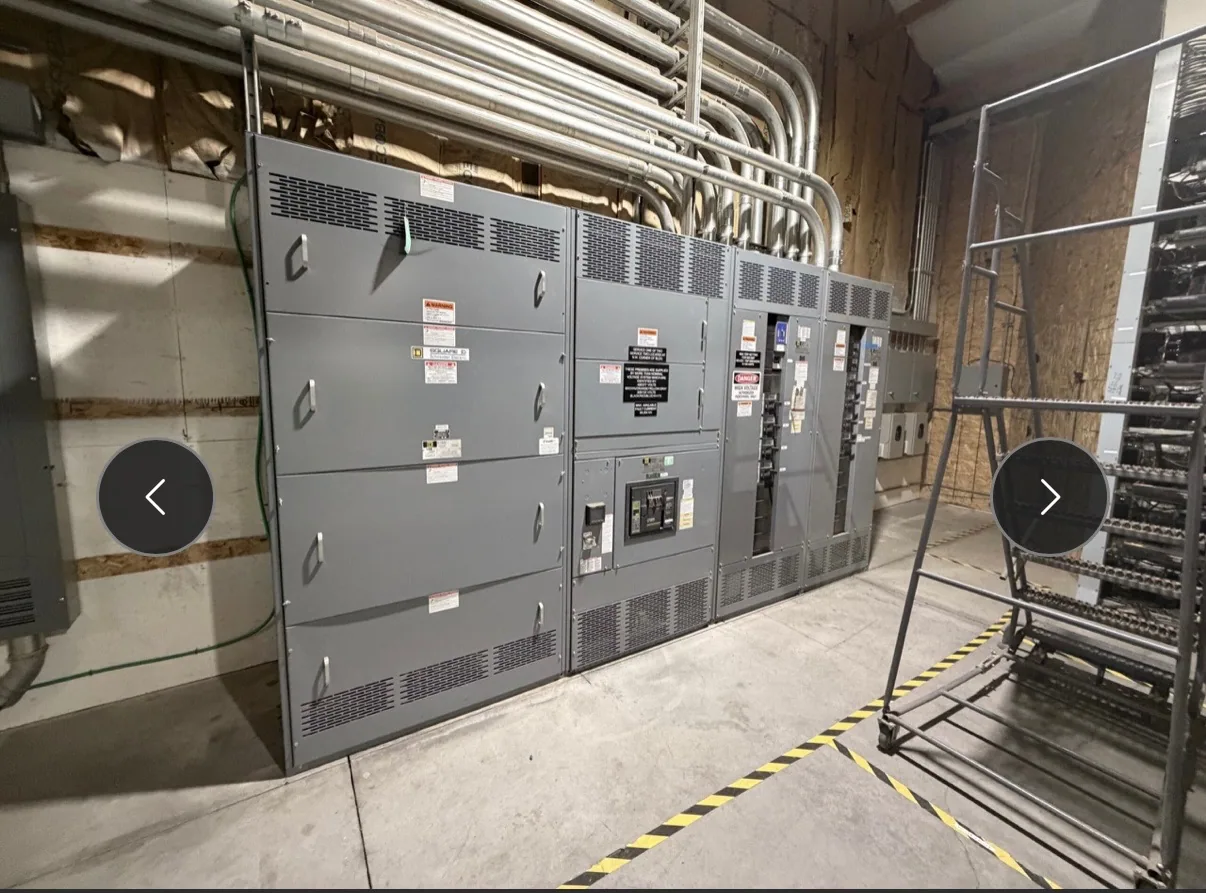
What an arc chute is
An arc chute is a component within certain electrical switching devices, designed to help manage an electrical arc when the device opens contacts or interrupts current. Depending on the device design, the chute may guide, divide, cool, or otherwise control the arc as part of the interruption process. Its construction and operation are specific to the switching device; the term does not describe a complete switchboard or switchgear assembly.
Arc chutes are associated with equipment such as some low-voltage circuit breakers and switches. They are not universal components, and not every device interrupts current in the same way. When reviewing equipment documents, identify the actual device and manufacturer documentation rather than assuming that a component described generically as an arc chute has a particular capability or rating.
Why the component matters—and what it cannot tell you
Managing the arc formed during switching is part of how a suitable device performs its intended interruption function. An arc chute may contribute to that device-level process, but it does not independently establish the interrupting rating, system suitability, or safety of the complete installation. Those questions depend on the specified device, assembly, available fault current, system conditions, and the project’s engineering review.
Arc-flash risk is a separate system-level concern. A component’s presence does not determine incident energy or make equipment safe to approach, open, operate, or maintain. A qualified engineer evaluates the applicable system information and study assumptions; qualified personnel follow the project’s safety procedures. Do not infer a safe work method from a component name or a general product description.
How it fits into low-voltage switchgear
Consider a conceptual project requiring new low-voltage switchgear for a facility distribution system. The buyer provides the system voltage class, distribution arrangement, expected loads, available fault-current information, and operating requirements for engineering review. The manufacturer and project team then confirm the proposed assembly and switching devices against the actual specification. If a device uses an arc chute, that fact is one detail in its construction—not a substitute for verifying the device and assembly requirements.
Design choices can affect how equipment is arranged, operated, and maintained. The responsible engineer may need to consider protective-device coordination, access, maintenance approach, and the intended installation environment. The buyer should also identify any project requirements for enclosure construction, controls, metering, or incoming and outgoing connections. Each detail must be confirmed for the specific design; a glossary definition cannot establish a product rating or determine whether a configuration is appropriate.
Arc chutes, arc-flash studies, and work practices
An arc chute is not an arc-flash mitigation system or a replacement for an arc-flash study. Study results rely on project-specific inputs and assumptions, including the electrical system configuration and protective-device information. If proposed equipment or settings change, the responsible engineer should determine whether the analysis needs review. Do not use the phrase “arc chute” as evidence of reduced incident energy or as a basis for changing work practices.
Arc-flash safety requires attention to the complete installation and the tasks being considered. Equipment selection, protection, labeling, operating procedures, and qualified-personnel practices are related but distinct matters. For a new switchgear order, discuss the project’s safety and coordination requirements with the engineer and supplier early enough to resolve design questions. Installation, testing, inspection, and maintenance should be performed only by qualified personnel following applicable procedures.
Common misunderstandings and related terms
“Arc chute” does not mean that an enclosure contains or eliminates every hazard, nor does it indicate that a device can interrupt any fault current. It also should not be confused with the enclosure itself, an arc-resistant construction claim, or an arc-flash calculation. Ask which switching device the term refers to, what documentation applies, and which project-specific ratings and performance requirements have been verified.
Related vocabulary can help organize a specification review. A switchboard and low-voltage switchgear are distinct equipment categories, so confirm the product type rather than using the terms interchangeably. An enclosure description addresses a different aspect of equipment construction. Arc-flash safety guidance addresses hazard evaluation and work practices, not the definition of an internal switching component.
Questions to resolve for a new equipment project
- Which switching device is specified, and does its manufacturer documentation identify an arc chute?
- What system voltage, available fault-current information, and operating conditions should the engineer use to evaluate the proposed equipment?
- Which device and assembly ratings, construction details, and project standards must be confirmed for this design?
- Are arc-flash study assumptions, protective-device coordination, access, and maintenance requirements being addressed by the responsible project team?
- What drawings, connection details, enclosure requirements, and delivery constraints should be included in the equipment request?
Provide the supplier with the project specification, one-line diagram, relevant study information, and any required equipment schedules. Identify open engineering decisions instead of assuming that a general description settles them. South Carolina Switchgear Builders manufactures new equipment to specification, including low-voltage switchgear, and ships nationwide. Configuration, availability, applicable listings, testing, ratings, and delivery timing depend on the order and must be confirmed against the actual design.