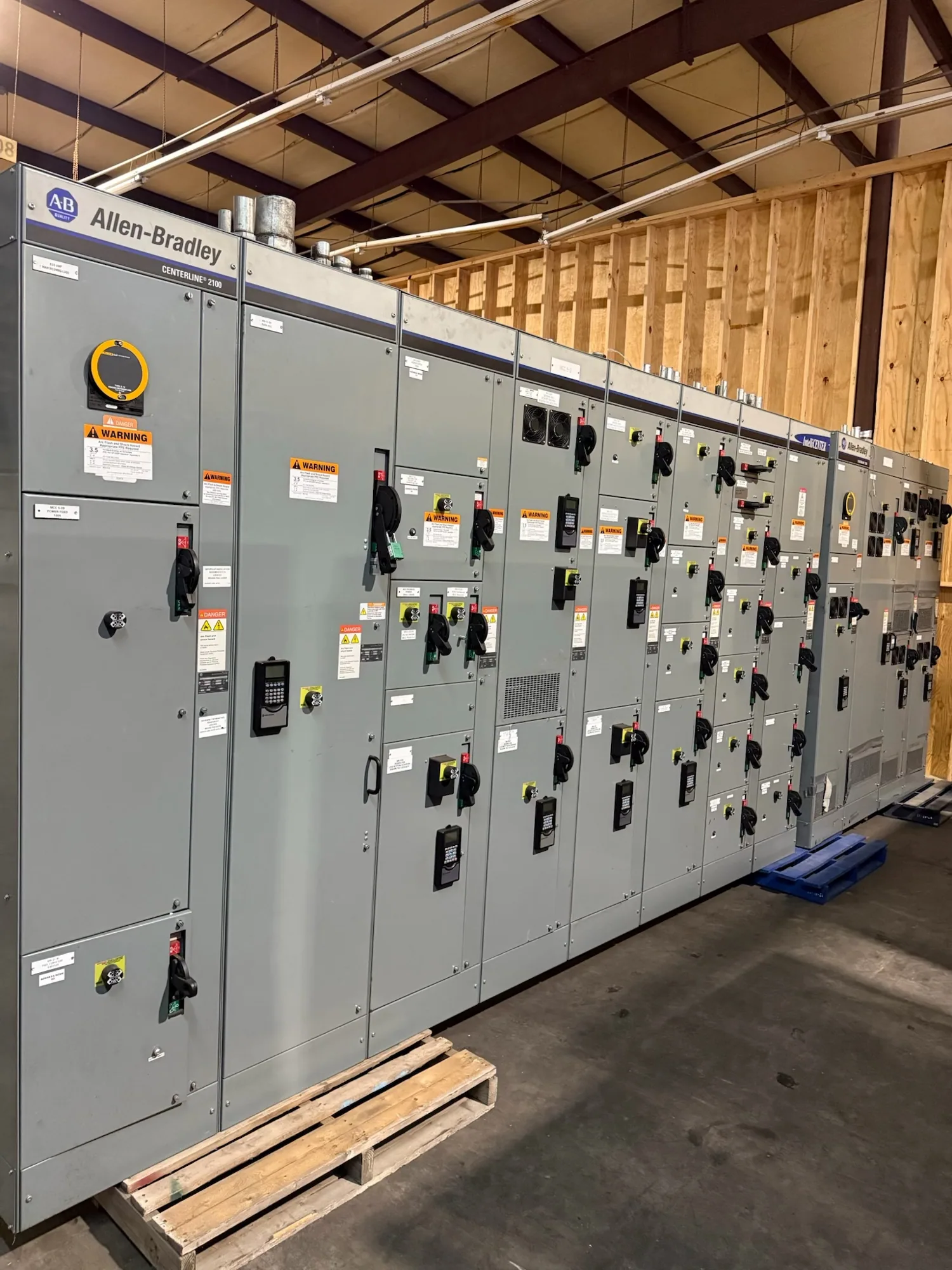
What “enclosure type” means
In electrical distribution, enclosure type is a documented classification describing the environmental protection an equipment enclosure is designed to provide under defined conditions. The classification helps project teams assess whether a housing is appropriate for its location and exposure. It does not, by itself, state the equipment’s voltage, current, interrupting capability, construction, or suitability for every installation.
People may use “enclosure type” as shorthand for a NEMA enclosure rating or another specified enclosure classification. Because terminology and requirements depend on the project and applicable standards, identify the exact designation in the equipment specification rather than relying on a general phrase. The project engineer should confirm which classification applies and how it is to be documented for the selected assembly.
Why the enclosure matters
The enclosure forms the boundary between electrical components and their surroundings. Its design can affect exposure to dust, moisture, corrosion, physical contact, and access for operation or maintenance, depending on the classification and construction. A location described simply as “indoors” or “outdoors” may not capture conditions such as washdown, condensation, airborne contaminants, or direct weather exposure.
Selection is therefore a site-and-equipment question, not a choice made from a label alone. Consider where the equipment will be installed, what can contact it, how operators reach controls, and whether the environment may change during the equipment’s service life. The responsible engineer should determine which exposures matter and verify that the proposed enclosure classification and assembly design address them.
How it applies to switchboards
For a new electrical switchboard, enclosure type is one part of the specification alongside electrical characteristics, physical arrangement, and installation requirements. A low-voltage switchboard might be located in a controlled electrical room, while another project may place equipment where moisture or contaminants require different design consideration. These are illustrative conditions, not a basis for assigning a rating without reviewing the actual site.
Ask the supplier to identify the enclosure classification for the specific proposed assembly and to explain any relevant limitations or options. Confirm that doors, openings, ventilation provisions, cable entry, and the installation arrangement are consistent with the specified classification. A change to the enclosure can affect dimensions, access, heat management, and coordination with adjacent equipment, so it should be reviewed as part of the full design.
Distinguish enclosure type from other ratings
An enclosure classification is not an electrical rating. It does not establish voltage class, continuous current, short-circuit performance, or the protective-device arrangement. It also does not automatically establish that an assembly is listed or compliant with a particular standard. For eligible low-voltage switchboards, UL 891 may be relevant, but applicability and assembly listing must be verified for the actual design. Do not apply that standard to medium-voltage switchgear.
Likewise, enclosure type is not the same as an equipment’s location, room classification, or service environment. Related terms can appear together in specifications, but each describes a different requirement. A NEMA enclosure rating is a specific way of identifying environmental protection; the phrase “enclosure type” may be less precise unless the document names the rating system and designation. Resolve that ambiguity before quotation and design approval.
A conceptual selection example
Suppose a project calls for a new switchboard in a building service area and notes only “suitable enclosure.” That wording leaves important questions unanswered: Is the space conditioned? Could water reach the equipment? Are cleaning methods or airborne materials relevant? Who needs access, and how will cables enter? These assumptions must be checked with the project team; none establishes a particular classification on its own.
The engineer can document the actual environmental conditions and required classification, then ask the manufacturer to confirm whether the proposed switchboard design meets that specification. If the site conditions are uncertain, clarifying them is safer than selecting an enclosure based on a neighboring installation or an informal label. Changes in location or exposure after design review should prompt a fresh check of the equipment specification.
Information to confirm before ordering
Provide the equipment type and voltage class, installation location, known environmental exposures, required enclosure designation, and any project-specific access or cable-entry constraints. Include drawings or dimensional limits when available, along with the intended mounting and surrounding equipment arrangement. The responsible engineer should also identify applicable project standards and documentation requirements rather than assuming a classification implies compliance.
Ask the manufacturer to confirm the enclosure type for the proposed configuration, what information is needed to evaluate unusual exposure, and whether a design change affects dimensions or other specified characteristics. Confirm availability and delivery timing for the actual order; configurations and lead times depend on the specification. South Carolina Switchgear Builders manufactures new switchboards and switchgear to specification, with US-built equipment, all-American components, and nationwide shipping. Final configuration and project requirements should be reviewed before release for production.