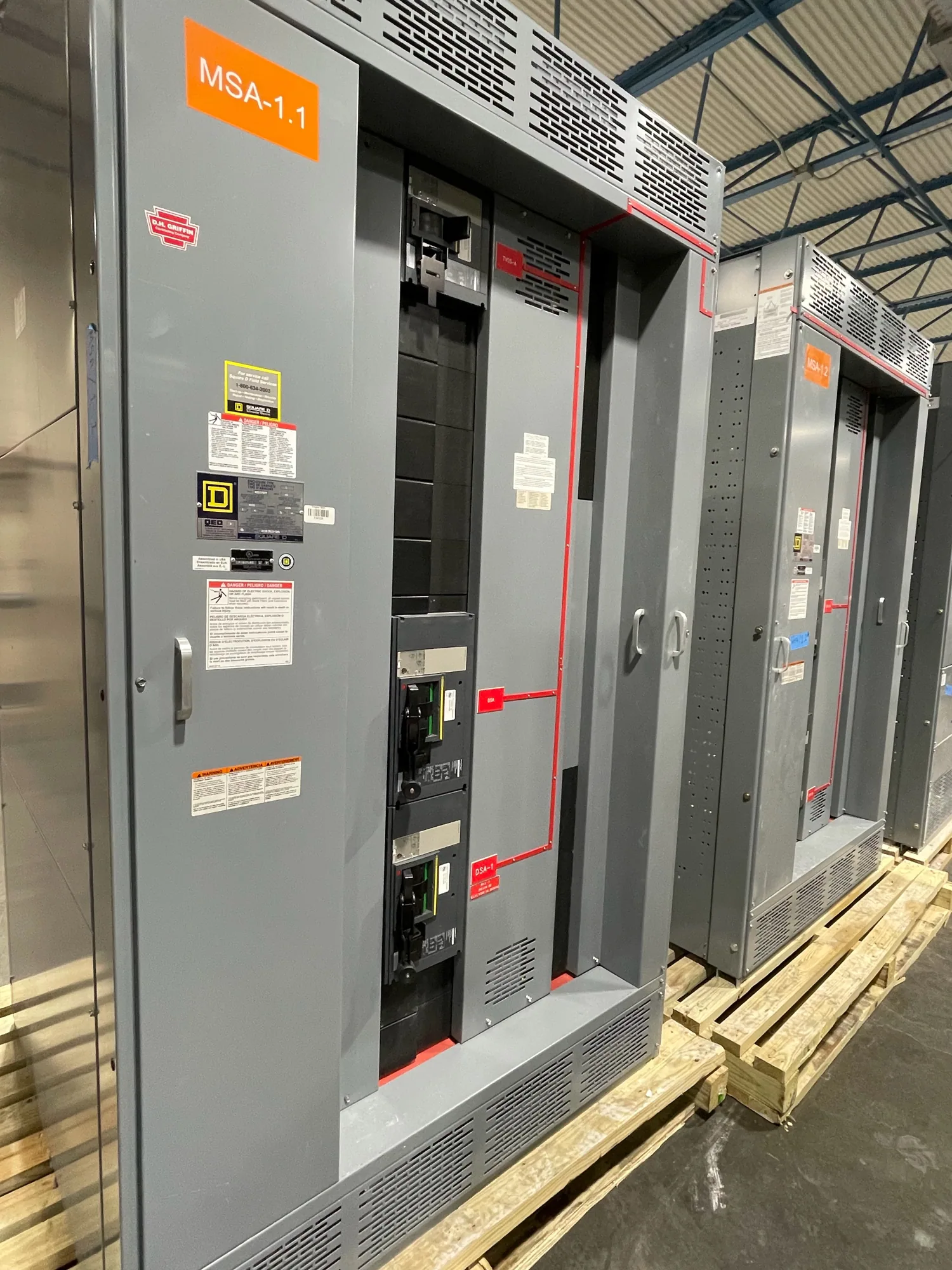
What arc flash means
An arc flash is an electrical event in which current travels through an unintended conductive path, often through ionized air, releasing intense heat and energy. Depending on the event, it may also produce light, pressure, sound, and molten material. It is a hazard associated with electrical equipment and systems, not a normal operating condition or a product feature that can be described by voltage alone.
The phrase can also be used informally to refer to the danger posed by such an event. In engineering and safety discussions, it helps to be precise: an arc flash is the event or hazard; an arc-flash risk assessment and incident-energy analysis are processes used to evaluate exposure under defined system and task conditions. A glossary definition does not replace those project-specific evaluations.
Why the term matters in project planning
Arc-flash considerations can affect equipment selection, system design, labels, operating procedures, and maintenance planning. The hazard assessment depends on the electrical system and the circumstances being evaluated, including available fault current, protective-device characteristics and settings, equipment configuration, and the working distance and task assumptions used by the responsible engineer. Conditions can change when the system or its settings change.
For a new low-voltage switchgear project, the equipment specification is one part of the information needed to coordinate the design. A supplier can build to an agreed configuration, but equipment selection by itself does not establish incident energy or determine safe work practices. The project engineer must evaluate how the proposed assembly fits the overall distribution system and verify applicable ratings, protection, and design details against the project requirements.
Incident energy and assessment context
Incident energy is a calculated quantity associated with the thermal energy that may reach a person at a stated working distance during a modeled arc-flash event. It is not synonymous with arc flash, and it is not a fixed property of a switchboard or switchgear lineup. Results rely on the study model, system data, selected protective-device settings, and stated assumptions. The responsible engineering professional determines the appropriate method and documents its limits.
That distinction matters when reviewing proposed equipment. A change in protective-device type, settings, system arrangement, or equipment design may affect study inputs and conclusions. The engineer should identify which information must be confirmed before finalizing the assessment, and who will provide or verify it. Buyers should avoid treating a general product description, nominal voltage class, or a single label value as a substitute for a current, project-specific assessment.
Illustrative low-voltage project example
Consider a conceptual project specifying new 480 V class low-voltage switchgear for a facility distribution system. That voltage class identifies the equipment context; it does not, by itself, establish an arc-flash hazard level. The project engineer would need relevant system and protective-device information, along with the intended equipment arrangement and operating conditions, to evaluate the modeled hazard. No incident-energy value can be responsibly inferred from the voltage class alone.
Suppose the design team is comparing two protective-device approaches or considering a change to the lineup arrangement. Those options may have different implications for system coordination, operation, and assessment assumptions. The engineer should evaluate the complete design rather than selecting an option solely to pursue a presumed arc-flash outcome. Equipment performance, continuity of service, selectivity, maintenance needs, and project constraints may all matter, and the appropriate tradeoffs are specific to the installation.
Common misunderstandings and related terms
An arc flash is not the same as an electric shock hazard, although both may be relevant to electrical work. It is also not interchangeable with an arc blast, which describes pressure and mechanical effects that may accompany an electrical arc. Nor should arc-flash labels be interpreted as a guarantee that a task is safe: labels communicate assessment information under stated assumptions, while qualified personnel must follow applicable safety procedures.
“Arc-flash safety” refers broadly to assessment, risk controls, work planning, and procedures intended to address the hazard. “Incident energy” names one technical concept used in some assessments. Keeping these terms distinct makes conversations among the owner, engineer, equipment supplier, and qualified installation or maintenance personnel clearer. Reassessment may be necessary when system conditions, equipment, settings, or relevant work practices change.
Information to coordinate for new equipment
Before requesting a switchgear proposal, gather the required voltage class, project specifications, one-line diagram, available system data, protective-device requirements, preferred arrangement, and any defined interface or space constraints. Identify what is preliminary and what the engineer has approved. Ask which equipment ratings and design details the supplier needs to confirm, and how proposed changes will be communicated to the engineer responsible for system studies and protection coordination.
Also clarify responsibility for the arc-flash assessment, equipment data needed to complete it, review of device settings, and coordination of final documentation. Availability and actual lead times depend on the order and must be confirmed. A manufacturer can supply new equipment custom to specification, but project-specific configurations, ratings, testing, listing applicability, and delivery details require confirmation for the actual design. Installation, testing, and maintenance belong to qualified personnel following applicable safety procedures.
From definition to specification
This glossary entry defines arc flash and explains why the term appears in distribution-system planning; it is not a substitute for a design specification or an engineering study. When preparing a purchase specification for new low-voltage switchgear, provide the project engineer’s requirements and ask the equipment supplier to identify information that remains to be resolved. Confirm how the final equipment data will be incorporated into project documentation and assessment work.
Clear roles and complete system information help prevent a vocabulary term from being mistaken for a design conclusion. The engineer evaluates the hazard and applicable controls; the manufacturer confirms what can be supplied to the approved specification; and qualified personnel handle installation and work practices. Treating each responsibility distinctly supports a more coordinated project without implying that any equipment configuration alone eliminates arc-flash risk.