Meaning and scope
Incident energy is the thermal energy per unit area that could be received at a specified working distance from an electrical arc under defined conditions. In practice, it is typically calculated as part of an arc-flash hazard assessment; measurement may also be used in a controlled test context. The result is tied to the system model, equipment configuration, operating conditions, and assumptions used in the assessment.
People may see incident energy expressed in calories per square centimeter. The number is not a prediction that an arc will occur, nor does it describe every possible event. It represents an assessed hazard for a particular location and scenario. A result only has meaning alongside its working distance, inputs, methodology, and the boundaries of the study.
Why the value matters
An arc-flash assessment helps qualified electrical personnel understand hazards and plan work practices. Incident energy can inform equipment labels and decisions about task planning, approach controls, and protective measures, as determined by the responsible employer and safety professionals. It should not be treated as a complete safety instruction by itself: workers must follow applicable procedures and use qualified judgment for the actual task and conditions.
The calculated value can change when protective-device clearing time, available fault current, conductor configuration, enclosure characteristics, or working distance changes. A study also depends on accurate system data and the selected analytical method. If an input is incomplete or the modeled arrangement differs from the installed equipment, the reported result may not represent the condition workers encounter. Reassessment may be appropriate after material system changes.
Connection to low-voltage switchgear
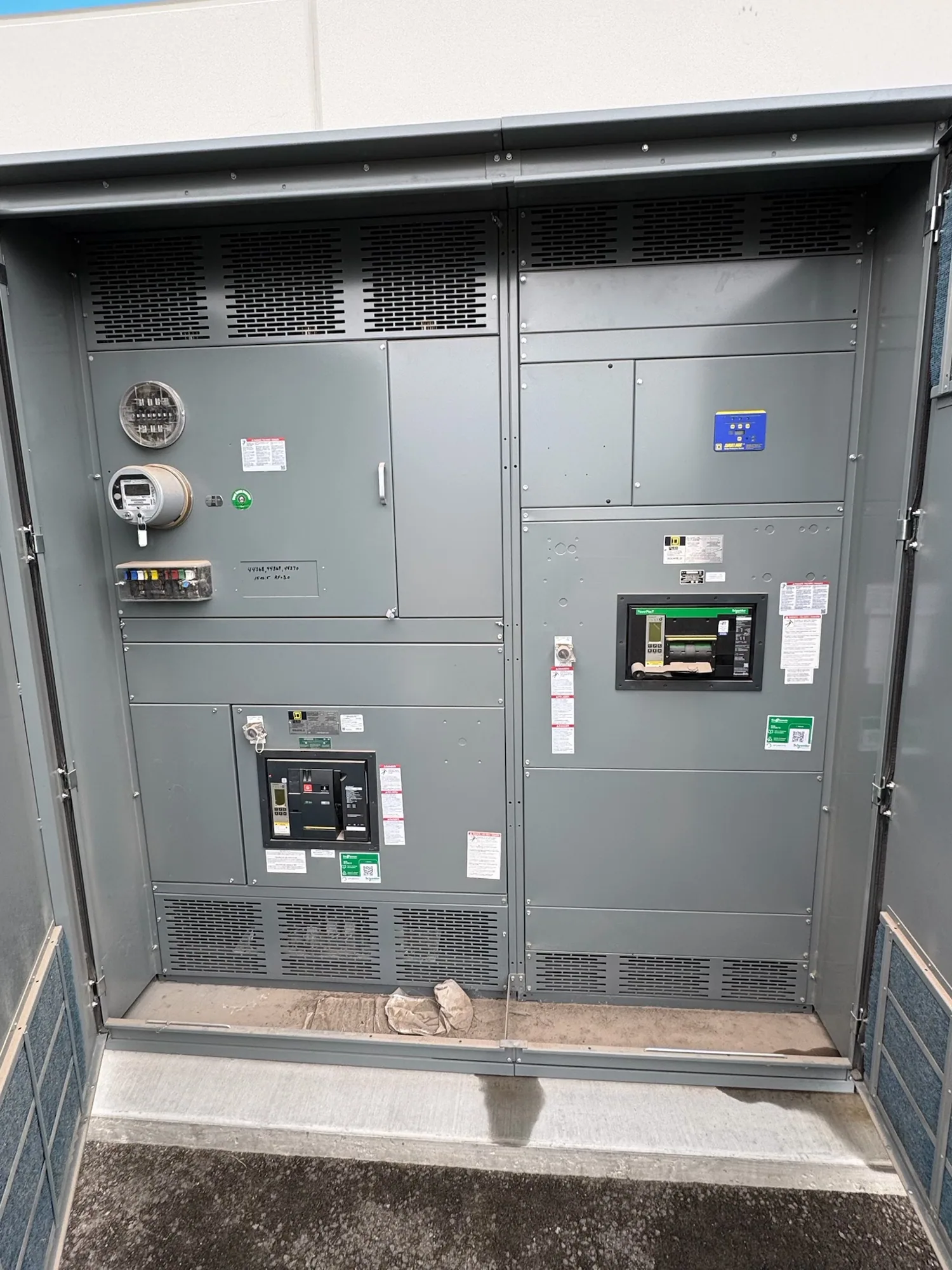
For a new low-voltage switchgear or switchboard project, incident energy is one consideration within a larger electrical design and safety process. It is not a rating that a manufacturer can assign in isolation from the installation. The project engineer needs to account for the equipment's intended application and the connected system, while the study's responsible professional evaluates the relevant operating scenarios and protective-device coordination.
Equipment design choices may affect the inputs available to an assessment, but no single feature guarantees a particular incident-energy result. The engineer may compare protective-device options, system arrangements, or other design measures against project requirements and operational constraints. Confirm how proposed configurations relate to the study before procurement; do not assume that a product description or nominal voltage establishes a hazard value.
A conceptual example and common errors
Consider a hypothetical facility planning a new 480 V class switchboard. Before a project-specific study, no incident-energy value can responsibly be assigned from that voltage alone. The engineer would need relevant system information, protective-device data, equipment details, and a defined working distance. These are conceptual assumptions only, not a study result or a claim about any particular assembly or installation.
A frequent misunderstanding is to treat incident energy as interchangeable with available fault current. Fault current is one factor in an assessment, but protective-device operating time and other conditions also matter. Another error is to read a label as a universal statement about all tasks or configurations. The result applies to its stated scenario and assumptions; it does not authorize energized work or replace site-specific safety procedures.
Related terms and equipment features
Arc-flash hazard assessment refers to the broader evaluation process; incident energy is one quantity that process may produce. Arc-resistant rating is a separate equipment-related term and should not be confused with a calculated incident-energy value. A design feature or rating may address particular conditions, but applicability depends on the specific equipment and its documented configuration. Ask the responsible engineer to explain how any proposed feature fits the project assessment.
Likewise, switchgear and switchboards are not interchangeable labels for every product. The equipment type, voltage class, construction, and applicable listing or test basis must be confirmed for the actual design. For eligible low-voltage switchboards, UL 891 may be relevant, but applicability and assembly listing require verification. It does not apply as a blanket statement to all switchgear, and it should not be used to infer incident-energy performance.
Questions for an equipment project
- Who is responsible for the arc-flash assessment, and what system data and study assumptions will that person need?
- Which operating configurations and working distances are within the assessment's scope?
- What switchgear or switchboard type, voltage class, protective devices, and options should the equipment specification identify?
- How will the project team coordinate equipment submittals and confirmed device information with the study and installation schedule?
- What changes after installation would require review of the assessment or associated labels?
When requesting new equipment, provide the project voltage class, application, required configuration, available system information, and the responsible engineer's specification. The manufacturer can review the requested equipment scope and clarify which design details need confirmation. Availability and lead time depend on the order and must be confirmed; the equipment details should be coordinated with the project engineer rather than used as a substitute for the hazard assessment.
Using the result responsibly
Incident energy is most useful when its context stays attached: location, working distance, modeled conditions, and study basis. Treat it as an engineering assessment quantity, not as a general product attribute. Equipment selection, installation, testing, and maintenance should be coordinated by qualified personnel under applicable safety procedures. With accurate project information and clear responsibility for the study, teams can connect new equipment decisions to a more complete, site-specific safety plan.