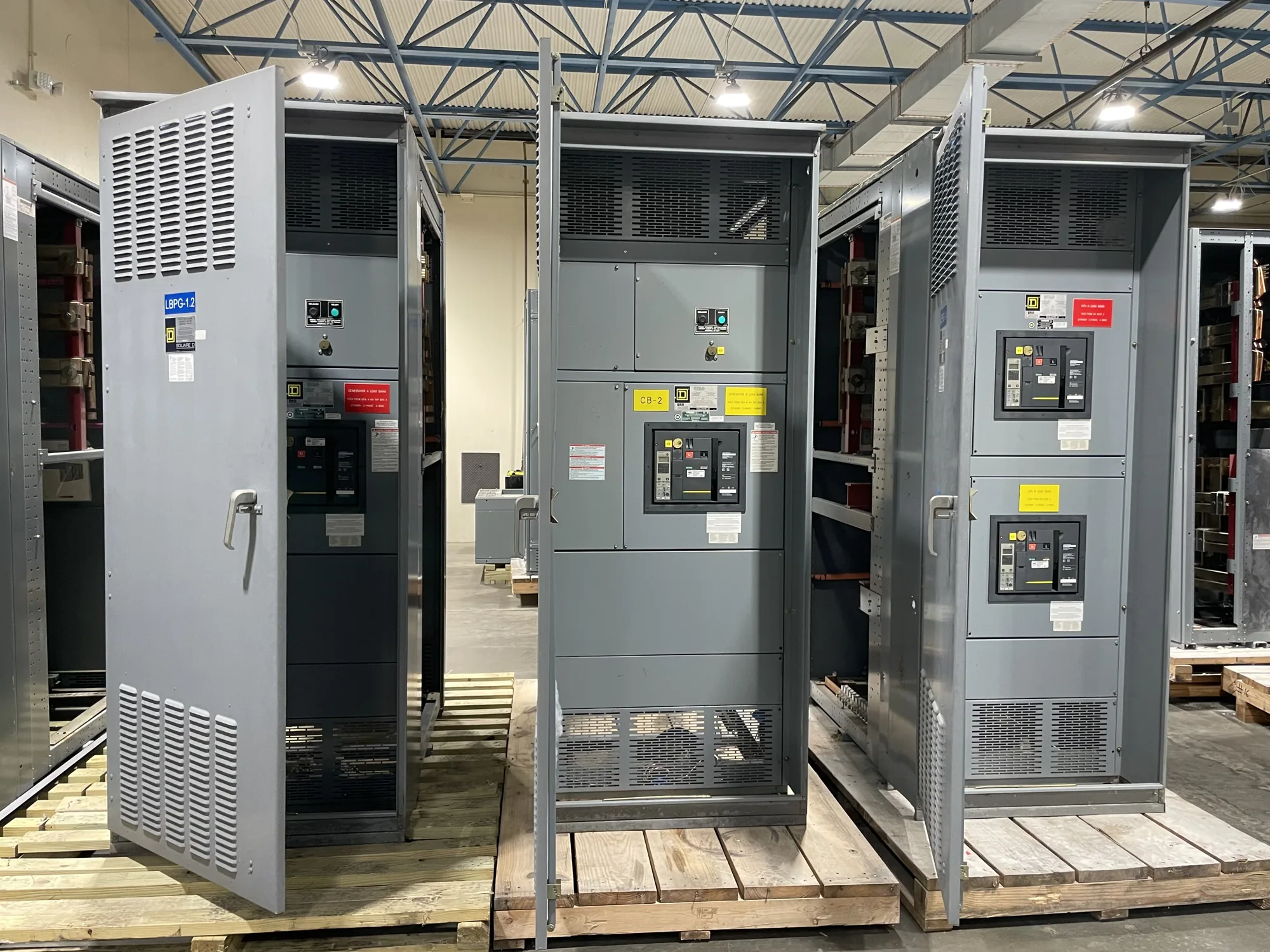
What an arc-resistant rating means
An arc-resistant rating is a documented classification indicating that electrical equipment was evaluated against an applicable test standard for specified conditions associated with an internal arcing fault. The classification belongs to a defined equipment design and configuration—not to the word “switchgear” in general, and not automatically to every lineup that resembles a tested design.
For a buyer, the useful question is not simply whether equipment is called arc resistant. Ask what standard and test basis apply, which equipment configuration was evaluated, and whether the proposed assembly and installation match the documented scope. The responsible engineer and manufacturer should confirm these details against the project specification and actual equipment.
What the classification does—and does not—tell you
A documented classification can help describe how a particular assembly is intended to manage effects of an internal arc under its stated test conditions. Its significance depends on the standard, equipment construction, installation arrangement, and any stated limitations. A label alone does not establish that a project’s complete electrical system is safe or that every operating condition is covered.
Arc-resistant construction is not the same as an arc-flash risk assessment. An arc-flash study evaluates the electrical system and operating scenarios to inform protective measures and work planning. Equipment features may be one part of a broader risk-reduction approach, but they do not replace the study, qualified-person procedures, appropriate protective equipment, or applicable safety rules. No classification makes energized work inherently safe.
Configuration and installation matter
The tested equipment arrangement may specify such details as lineup construction, compartments, doors, covers, pressure-relief paths, and the intended direction for managing fault effects. Installation conditions can also matter. The project team should verify required clearances, room arrangement, access, ventilation or exhaust provisions, and any other conditions stated for the particular design rather than assuming a rating transfers to a different layout.
Changes made during engineering, procurement, installation, or later modification can affect whether the installed equipment remains within the documented scope. A different enclosure arrangement, adjoining section, cable entry, or room condition may need review. Have the manufacturer and responsible engineer identify configuration limits and confirm any proposed deviation before treating the classification as applicable.
Applying the term to low-voltage switchgear
Consider a conceptual project that specifies new 480 V class low-voltage switchgear for an industrial facility. That voltage class is low voltage, but the voltage alone does not establish whether an arc-resistant option is available, appropriate, or covered by a particular test. The buyer should first define the electrical requirements, system operating conditions, space constraints, and project safety objectives with the responsible engineer.
Next, the team can ask the manufacturer whether the proposed design has documentation for the requested classification and whether the project’s lineup, installation orientation, and other specified conditions match it. This example assumes no particular rating, test result, or equipment feature; those details must be confirmed for the actual design. If the documented configuration cannot fit the room or project requirements, the engineer can compare alternative design and risk-reduction approaches.
Common misunderstandings and trade-offs
“Arc resistant” should not be read as “arc proof,” nor does it mean that an internal arc cannot occur. It also does not provide a universal incident-energy value, guarantee protection in every direction, or describe the performance of an entire electrical room. The exact meaning comes from the applicable standard and the classification’s documented limits, so avoid comparing claims that use different bases as though they were equivalent.
Design choices can involve space, access, equipment arrangement, installation coordination, and project cost. A configuration intended to manage arc effects may require provisions that affect room planning or equipment placement. Balance those implications against the project’s engineering objectives; do not select an option solely from a product label or assume it removes the need for system analysis and safe work practices.
Questions to resolve before ordering
- Which standard and test basis support the stated classification, and what documents identify its scope?
- Does the documented configuration match the proposed lineup, installation arrangement, and project drawings?
- What room clearances, access, exhaust paths, or other installation conditions must the project provide?
- How does the classification relate to the project’s arc-flash study and operating procedures, without replacing either?
- What ratings, options, listing applicability, testing, and delivery schedule are required and confirmed for this specific assembly?
Provide the supplier with the one-line diagram, equipment schedule, available fault and system information, room layout, cable-entry preferences, and project requirements. The responsible engineer should confirm design criteria and safety implications; the manufacturer should confirm what can be supplied and what documentation applies. Availability and lead time depend on the order and require confirmation.
From definition to project specification
For new equipment, South Carolina Switchgear Builders manufactures US-built switchgear and switchboards with all-American components, custom to specification, and ships nationwide. Discuss the project documents and requested classification with the manufacturer early enough to coordinate design and installation details. Any claimed rating, applicable listing, testing, and delivery date must be verified for the specific equipment supplied.
Keep the glossary distinction clear: an arc-resistant rating is a documented classification tied to a defined test basis and configuration; specifying suitable equipment is a project process involving engineering, safety analysis, and installation coordination. When those elements are checked together, buyers can make a more informed equipment decision without treating a label as a complete safety plan.