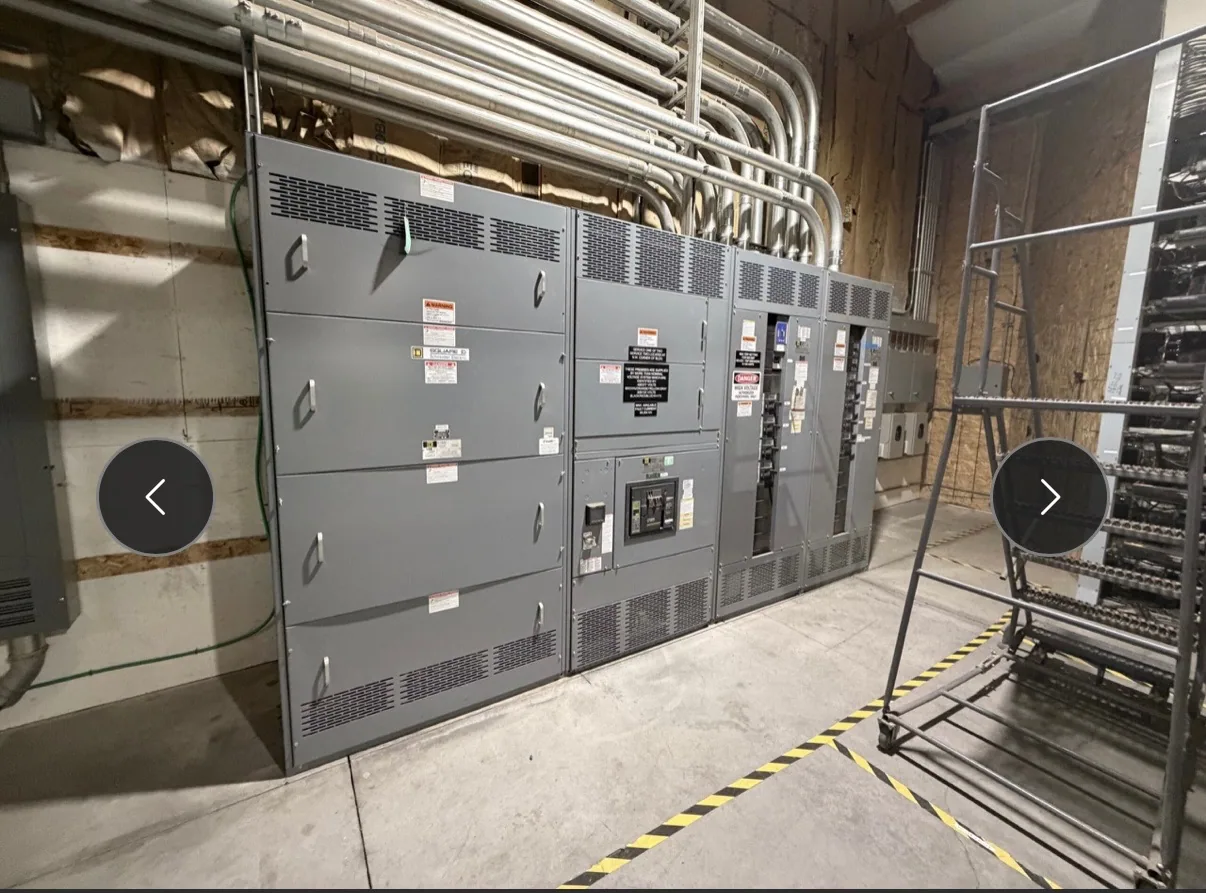
What a branch circuit means
A branch circuit is the portion of an electrical system that extends from the final overcurrent protective device to the outlet or outlets, or other utilization equipment, it serves. The exact formal definition depends on the electrical code edition and context adopted for the project. In practical terms, it is the downstream circuit associated with serving particular loads, rather than the upstream conductors that deliver power to a distribution point.
The term describes an electrical relationship, not a specific type of panel or switchgear. A branch circuit may serve lighting, receptacles, equipment, or another load, subject to the design and applicable requirements. Its conductors and protective device must be considered together; naming a circuit alone does not establish conductor size, breaker rating, voltage, or permitted loading. Those details require project-specific engineering and code review.
Branch circuits and feeders are different
A feeder generally carries power from a service or another source to downstream distribution equipment, while branch circuits extend from final overcurrent protection toward the loads. The distinction matters when interpreting one-line diagrams, equipment schedules, and scope boundaries. A switchboard or low-voltage switchgear lineup may distribute power to downstream panels or equipment, but that does not mean every outgoing feeder from the lineup is itself a branch circuit.
For example, a distribution assembly could supply a feeder to a panelboard, where individual protective devices serve branch circuits. In another arrangement, an assembly may contain devices that supply loads directly. Whether a particular outgoing circuit qualifies as a feeder or branch circuit depends on its function and the applicable code definition—not simply on the equipment label or physical location of the breaker.
Why the definition matters in equipment planning
Accurate circuit terminology helps the project team communicate what new distribution equipment must accommodate. A load schedule should identify the loads, their supply arrangement, and the intended relationship between upstream feeders and downstream branch circuits. The responsible engineer can use that information to establish the design basis, protective-device requirements, conductor assumptions, and coordination with other distribution equipment.
For a low-voltage switchgear or switchboard project, clarify whether the assembly serves downstream distribution equipment, directly supplies loads, or performs both roles. Specify the intended outgoing circuits and their functions rather than relying on a generic count of “circuits.” The equipment manufacturer needs the project specification and design inputs to confirm a suitable configuration. Applicable standards and any assembly listing must be verified for the actual design; UL 891 applies to eligible low-voltage switchboards, not to medium-voltage switchgear generally.
Illustrative example and common misunderstandings
Consider a conceptual project in which a low-voltage distribution assembly supplies a downstream panel, and that panel serves lighting and receptacle loads. Under the assumed arrangement, the conductors from the assembly to the panel are treated as a feeder, while the final protected circuits from the panel to the served outlets are branch circuits. This example explains terminology only; it does not establish ratings, conductor sizes, protection, or code compliance.
A frequent misunderstanding is to call every breaker output a branch circuit. A protective device can supply a feeder, another distribution assembly, or a load, depending on the design and applicable definitions. Another mistake is treating “branch circuit” as a synonym for a branch breaker, a panelboard, or an individual load. Ask the project engineer to classify each circuit and document the intended source, destination, and function.
Codes, standards, and project-specific review
Electrical code requirements depend on the adopted code edition, amendments, occupancy, installation conditions, and the authority having jurisdiction. Equipment standards address the equipment itself and should not be substituted for installation-code analysis. Utility requirements may also affect service and distribution interfaces, but the project team must confirm which requirements apply. Do not assume one glossary definition resolves conductor protection, grounding, load calculations, or installation details.
Before procurement, have qualified project professionals reconcile the one-line diagram, load schedule, specifications, and code basis. Confirm voltage class and intended system arrangement rather than inferring them from the phrase “branch circuit.” If a design uses 480 V class equipment, it is low voltage; other equipment classes must be identified from the actual project specification. Ratings, testing, listing, and standards applicability depend on the supplied design and require confirmation.
Questions to resolve before specifying equipment
- Which adopted code edition and project amendments govern, and who will confirm the applicable definitions?
- Which outgoing circuits are feeders, and which are branch circuits under the actual system arrangement?
- What loads will each circuit serve, and where does final overcurrent protection occur?
- What voltage class, configuration, ratings, and protective-device details does the engineer specify?
- Does the equipment scope include downstream distribution, direct load connections, or both?
- What standards, listing, testing, and documentation must be confirmed for the specific assembly?
Coordinate the term with the complete specification
Use “branch circuit” precisely in drawings and conversations, then provide the equipment supplier with the project documents that define the complete distribution system. A circuit count without its function and destination can leave important configuration questions unresolved. Review the load schedule, one-line diagram, and equipment specification together, and ask the responsible engineer to settle any classification or protection questions before the assembly is finalized.
South Carolina Switchgear Builders manufactures new, custom-to-specification equipment in the United States using all-American components and ships nationwide. Availability and actual lead times depend on the order and must be confirmed. Share the approved design basis, required equipment scope, and project coordination needs so the manufacturer can review the requested configuration. Installation, testing, and maintenance should be performed by qualified personnel following applicable safety procedures.