What an electrical load schedule records
An electrical load schedule is an organized accounting of electrical loads connected to, or planned for, a distribution system. Depending on the project, it may identify equipment or load groups, their locations, voltage and phase, connected load, expected operating demand, and assumptions used to estimate current. It gives the design team a structured basis for discussing what the system must serve.
The schedule is not simply a list of circuit breakers, nor is it automatically a final equipment-sizing document. It records design inputs and calculations whose scope depends on the project. An engineer may use it alongside one-line diagrams, equipment data, operating scenarios, and applicable code and project requirements. The engineer responsible for the design determines which calculation methods and standards apply.
Why schedules matter to equipment selection
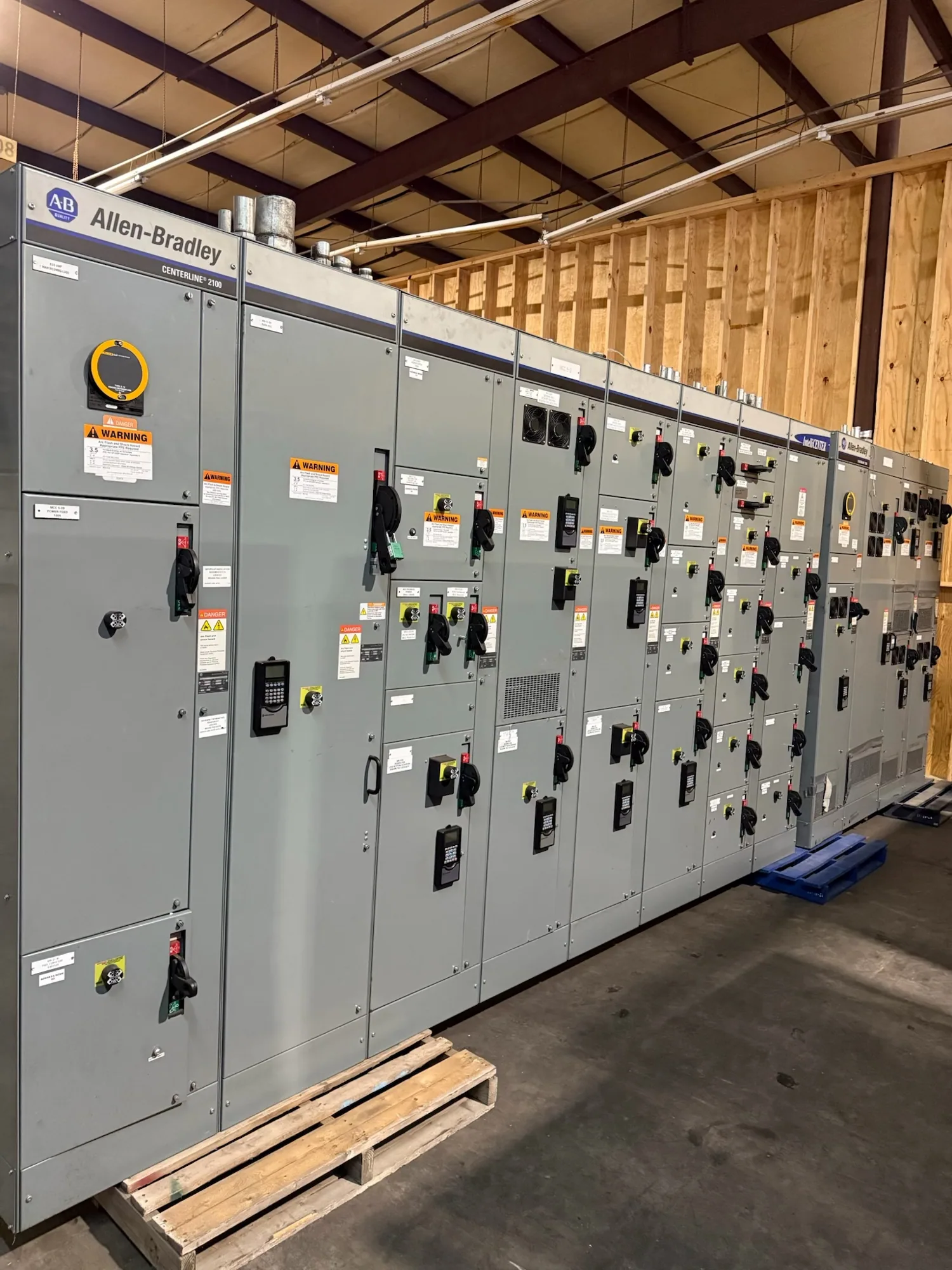
For a low-voltage switchgear project, the schedule can help the design team assess expected loading on incoming and feeder devices and on the bus. Those elements have specific current ratings, and the selected values must suit the system design and conditions. A schedule provides context for those choices; it does not, on its own, prove that a particular rating is adequate or establish a universal margin.
Connected load and expected operating demand are not necessarily the same. A building may contain equipment that can operate at full output independently, loads that run intermittently, or systems with coordinated operating sequences. The engineer must determine which loads and assumptions belong in each calculation, including any demand factors or diversity assumptions permitted by the project basis. Leaving these assumptions implicit can make a total look precise while obscuring what it represents.
Environmental and installation conditions also matter. Ambient temperature, enclosure arrangement, ventilation, conductor details, and other design conditions may affect equipment application or require review of ratings. Whether a specific condition calls for adjustment depends on the equipment design and applicable requirements. The schedule should not be treated as a substitute for reviewing the complete specification with the equipment supplier and responsible engineer.
Worked conceptual example and common confusion
Consider a hypothetical facility with several motor loads, lighting, and a future process line. Its schedule might list each load group, identify which equipment is expected to run together, and show estimated demand under a stated operating scenario. If the future line is excluded from the initial demand calculation, that exclusion should be explicit. The example provides no numerical ratings because actual values require project data and engineering review.
A frequent misunderstanding is to add every nameplate value and call the result the required switchgear rating. Nameplate information is important, but the schedule's purpose and calculation method determine how values are used. Another mistake is to treat the scheduled demand as a continuous-current rating. Continuous current is an equipment specification with its own conditions and meaning; it should be checked against the actual design, not inferred from a schedule total.
Likewise, a load schedule does not establish interrupting capability, short-circuit withstand, protective-device coordination, or the suitability of an assembly for a specific application. These are related engineering considerations, but they require other inputs and reviews. A well-prepared schedule contributes to those decisions without replacing the one-line diagram, fault-current information, protection study, or equipment specification.
Information to confirm before requesting equipment
Before seeking a manufacturer quotation for new switchgear, provide the latest load schedule and identify its revision, authoring basis, and unresolved assumptions. Include the service and system information available to the design team, the one-line diagram, intended equipment arrangement, and project-specific requirements. Flag known future loads, planned phases, and any operating conditions that materially change which loads run together.
Ask the responsible engineer to confirm the calculated demand, the loads treated as continuous, and the basis for selecting bus and device current ratings. Clarify whether environmental or installation conditions affect the specified equipment. The supplier needs defined requirements to evaluate a configuration; missing or changing inputs can affect design, availability, and delivery planning. Actual lead times and dates must be confirmed for the particular order.
Coordinating schedule revisions and equipment details
Load information can change as equipment selections develop. Establish which schedule revision governs the quotation and design review, and communicate changes through the project team rather than relying on an old spreadsheet or informal note. Revisions may affect feeder quantities, device arrangements, space planning, or other details, but the impact must be assessed against the full project specification.
For a custom-to-specification order, discuss how the approved schedule relates to the drawings and submittal package, and how discrepancies will be resolved before release for manufacture. Confirm applicable listing, testing, ratings, and delivery requirements for the specific proposed assembly; none should be assumed from the schedule alone. South Carolina Switchgear Builders manufactures new equipment in the United States, uses all-American components, and ships nationwide. Availability and lead times depend on the order and require confirmation.
Questions that make the schedule more useful
Ask: What loads are included, and what is intentionally excluded? Which operating scenarios determine expected demand? Are future loads identified separately? What assumptions govern demand calculations and continuous-current treatment? Have the responsible engineer and equipment supplier reviewed the same schedule revision? These questions help distinguish verified design inputs from estimates that still need resolution.
When the answers are documented, the schedule becomes a clearer communication tool for engineering and procurement. It supports informed discussion of low-voltage switchgear requirements while keeping the boundaries clear: the schedule describes loads and assumptions, and the final equipment configuration depends on the complete, project-specific design review.