What a factory acceptance test means
A factory acceptance test, commonly shortened to FAT, is a project-defined verification performed at a factory or another location agreed upon by the customer and supplier. It checks specified features of new equipment against the approved documents and purchase requirements before shipment or another agreed milestone. The term describes an agreed scope of inspection or testing; it does not, by itself, prescribe one universal procedure or guarantee that every possible function has been examined.
For electrical distribution equipment, the FAT may involve document review, visual inspection, demonstrations, or tests selected for the particular design. The approved contract documents and test plan establish what is included, what acceptance means, who witnesses the work, and how discrepancies are handled. Applicable standards and project specifications may inform that plan, but requirements must be confirmed for the actual equipment and assembly. A FAT is not a substitute for installation checks or commissioning at the project site.
Define the scope before the equipment is built
The useful question is not simply whether a FAT is offered, but what the FAT is meant to verify. Scope might address construction against approved drawings, identification, arrangement of components, wiring checks, or specified functional demonstrations. Which items are appropriate depends on the equipment design, procurement documents, and agreed test procedures. Customers should ask for a written scope that identifies each activity and its acceptance criteria rather than relying on the term FAT alone.
Timing matters because testability can depend on decisions made during engineering. The project team should establish when drawings and test procedures will be reviewed, how comments are resolved, and whether the customer or a representative will witness selected activities. Any witness arrangements, records, or hold points should be agreed in the purchase documents. Availability and actual lead times depend on the order, so the schedule for document review, FAT, corrections, and shipment should be confirmed rather than assumed.
Instrumentation and communications need explicit criteria
When equipment includes metering, indication, alarms, or communications, identify the intended signals and interfaces in the specification. Clarify which values or status points are required, how they are represented, and whether the FAT should demonstrate them locally, through a communication interface, or both. The design documents should define the relevant devices, protocols, network connections, and expected behavior. A broad request to “test communications” leaves important questions unanswered.
Network access and cybersecurity boundaries also need project-specific definition. Confirm which ports or interfaces are part of the equipment scope, what external devices or systems are needed for a demonstration, and who supplies that test environment. Do not assume a FAT covers the customer’s wider network, cybersecurity review, or integration with systems that are not available at the agreed location. See the instrumentation and communications specification guidance for topics to resolve during equipment planning.
Example: service-entrance switchgear
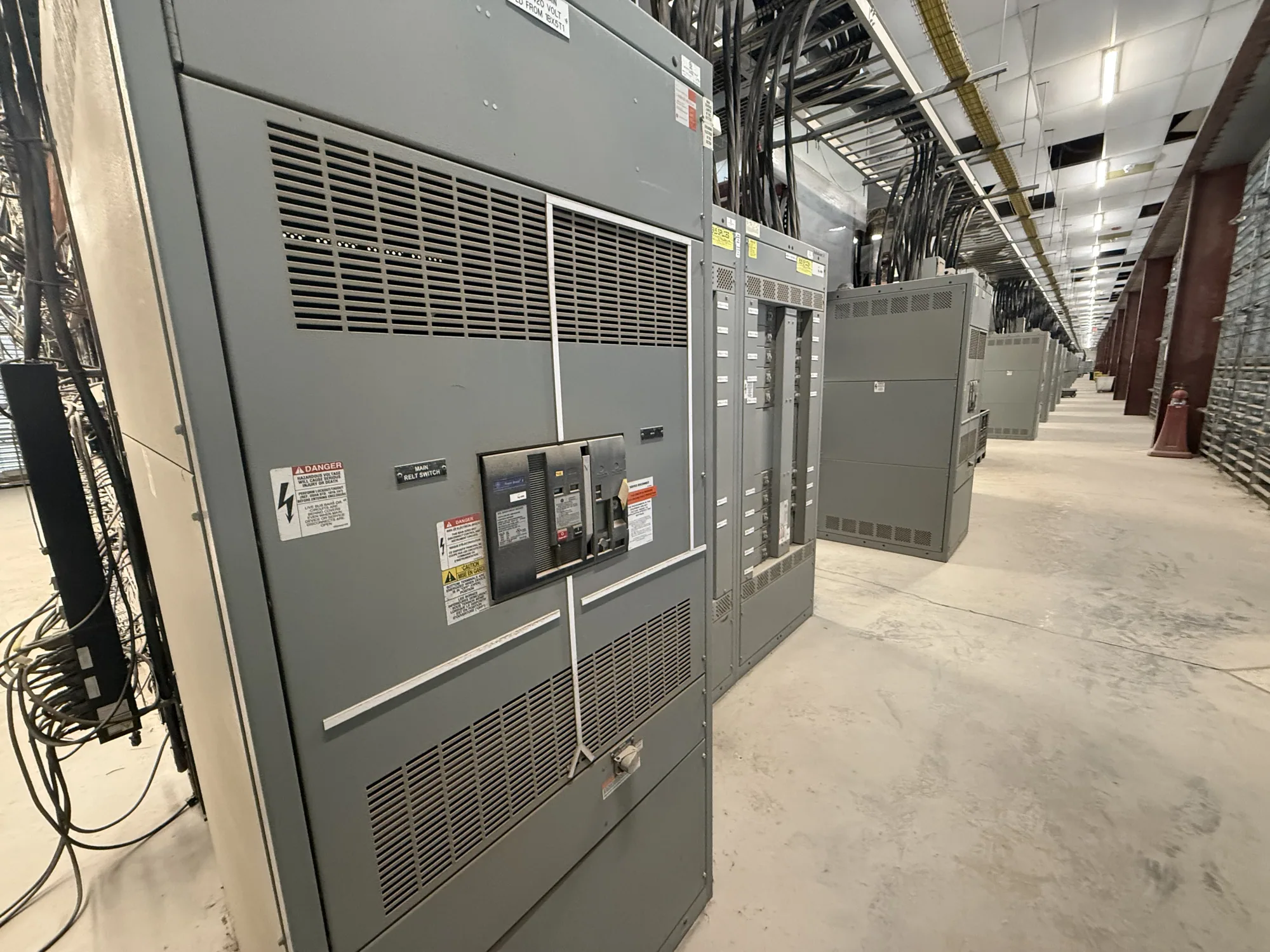
Consider a conceptual service-entrance switchgear order. Assume the project team wants to review the arrangement, confirm specified labels and instruments, and demonstrate selected indication points before shipment. Those are example goals, not a universal FAT package. The team would identify the applicable drawings, the exact points to demonstrate, the equipment and test setup required, and how results or exceptions will be recorded. No voltage, rating, or test result can be inferred from this example.
In this scenario, a visual review cannot prove every operational condition, and a demonstration of selected signals does not establish that an external system will communicate correctly after installation. The agreed plan should distinguish inspection, electrical tests, functional demonstrations, and later field activities. Project-specific testing, listing, ratings, and applicable standards require confirmation against the actual specification and supplied assembly. A FAT should not be treated as blanket certification or as proof of performance beyond its defined scope.
Common misunderstandings and useful distinctions
FAT is sometimes confused with factory routine testing, third-party inspection, or site acceptance testing. These terms can describe different activities, and their meaning depends on the contract and project documents. Ask which party performs each activity, where it takes place, what procedure governs it, and what record is delivered. Also clarify whether customer witnessing is required or optional. A witness observes agreed work; witnessing alone does not expand the test scope.
Shop drawings serve a related but different purpose: they communicate the proposed equipment arrangement and details for review. Approval of drawings does not automatically define a FAT, and a FAT does not replace drawing review. Similarly, a service-entrance switchgear specification describes equipment requirements, while the FAT plan describes how selected requirements will be checked. Keeping these documents aligned helps prevent disagreement about what was ordered and what was demonstrated.
Questions to resolve with the project team
- Which documents and revisions define the equipment and FAT acceptance criteria?
- What inspections, tests, or demonstrations are included, and what is expressly outside scope?
- Which metering, status, alarm, or communication points must be verified, and how?
- Who provides test instruments, network equipment, software, or other demonstration inputs?
- Who attends, how are comments and deficiencies recorded, and who approves resolution?
- What reports or records will be provided, and how do FAT findings affect shipment timing?
Share the project specification, approved or review-stage drawings, desired verification points, and witness expectations with the equipment supplier early enough to coordinate the plan. Confirm any required procedures, acceptance thresholds, schedule, and documentation in writing. South Carolina Switchgear Builders manufactures new equipment to specification, with availability and delivery timing confirmed for each order. A clearly bounded FAT gives the customer and supplier a practical basis for reviewing the equipment before the project moves to shipment and site installation.