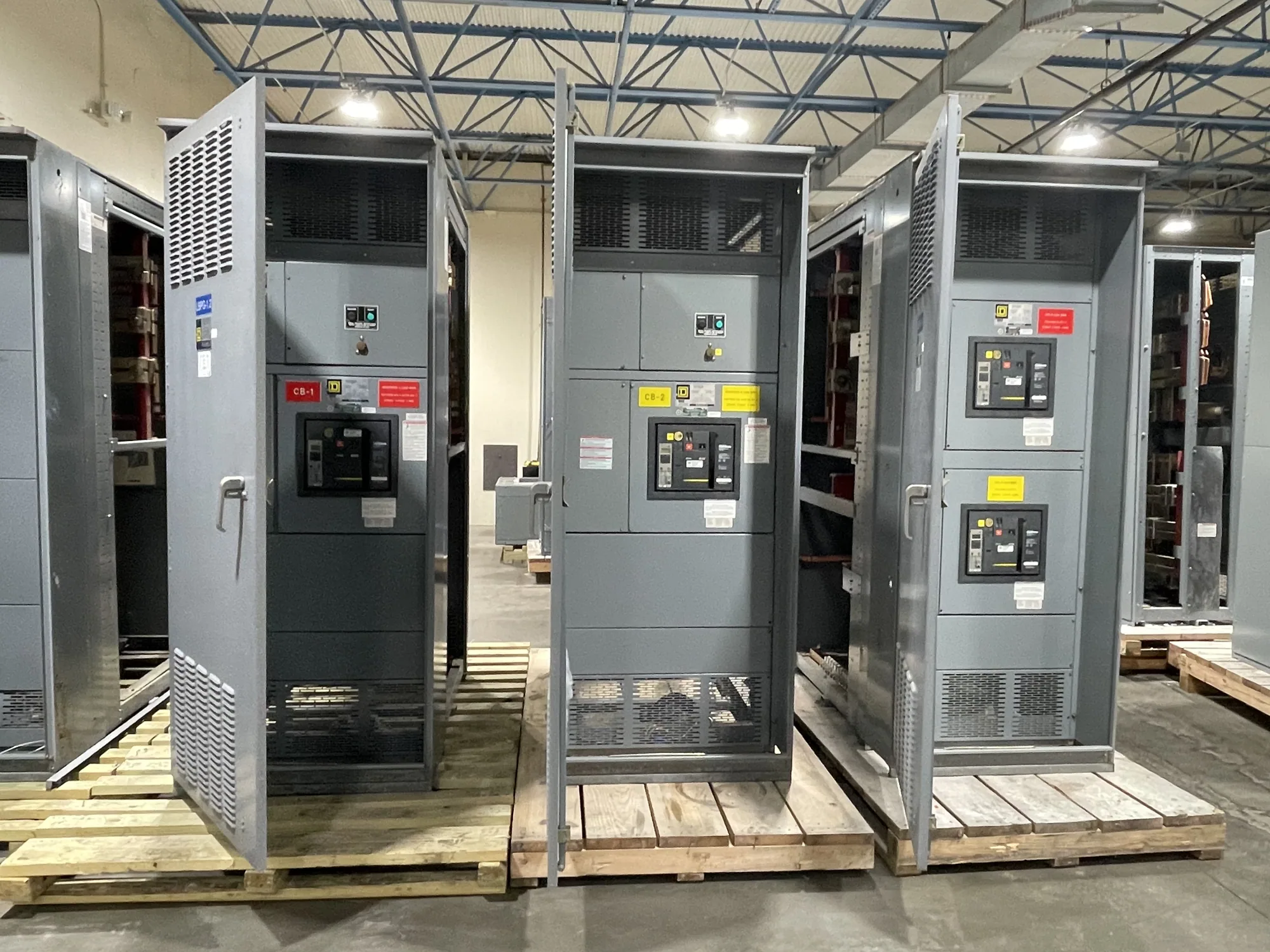
Meaning of corrosion resistance
Corrosion resistance is the ability of a material, coating, plating, or complete assembly to withstand deterioration from its surrounding environment over a defined period or under specified conditions. In electrical distribution, the term matters because corrosion can affect enclosures, fasteners, bus supports, terminals, hinges, and other components. It is not a single universal rating, nor does the phrase alone guarantee a particular service life.
A useful statement of corrosion resistance identifies the exposure being addressed and the equipment features intended to address it. The responsible project engineer and equipment supplier should confirm material and finish selections against documented site conditions and the actual equipment specification. Applicable standards or tests may help characterize performance when specified, but their relevance and scope need confirmation for the particular design and assembly.
Why the site environment matters
Corrosion risk depends on the combination of conditions at the installation site. Humidity, condensation, salt-laden air, industrial contaminants, cleaning chemicals, standing water, and temperature cycles can affect materials and finishes differently. Outdoor exposure and indoor locations are not automatically equivalent: an indoor electrical room can still experience moisture or airborne contaminants, while a properly controlled space may reduce exposure. Describe actual conditions rather than relying on a broad label such as “coastal” or “industrial.”
Temperature and altitude are also important equipment-design inputs, though they are not themselves definitions of corrosion resistance. They can affect equipment application and may coincide with humidity, condensation, or environmental exposure. Space and maintenance access matter because inspection, cleaning, and replacement of affected components depend on how the equipment is installed. These factors should be evaluated together, not treated as substitutes for specifying materials and finishes.
Applying the term to medium-voltage switchgear
Consider a conceptual project for new medium-voltage switchgear in an indoor room near a salt-exposed environment. The example assumes only that salt-laden air may reach the room; it does not establish a voltage rating, enclosure construction, material selection, listing, or required corrosion test. The project team would first determine whether the room is sealed, ventilated, air-conditioned, or subject to door opening and moisture intrusion, then document the credible exposure for the equipment location.
With that information, the buyer can ask the manufacturer to identify proposed enclosure materials and finishes, and to clarify whether exposed hardware or internal components require separate consideration. The team should also discuss condensation control, access for inspection, and any cleaning practices that could affect finishes. A corrosion-resistant exterior alone does not establish that every internal part is protected, while selecting a particular finish without describing the environment may not solve the real exposure.
Materials, finishes, and meaningful trade-offs
Material and finish choices involve more than appearance. A coating may protect a surface where intact, but edges, joints, fastener interfaces, and later handling can require attention. Different metals can respond differently in the same environment, and contact between dissimilar materials may need engineering review. The suitability of a proposed approach depends on equipment construction, exposure, operating conditions, and the manufacturer’s design; no material or finish should be assumed appropriate for every project.
There can also be trade-offs involving cost, availability, maintainability, and the performance of the complete assembly. More protective treatment may be unnecessary for a controlled room, while a generic standard finish may not address a documented aggressive exposure. Specify the concern and ask what the proposed construction covers, what it does not cover, and whether any inspection or maintenance assumptions apply. Availability and actual lead times depend on the order and must be confirmed.
Common misunderstandings and related terms
Corrosion resistance is not the same as waterproofing, weatherproofing, or resistance to every chemical. It does not by itself define an enclosure rating, electrical rating, or compliance status. Nor does the word “corrosion-resistant” establish a guaranteed number of years. Any claim about a test, standard, or expected service life needs to be tied to the specified material, finish, exposure, and equipment design.
For medium-voltage switchgear, corrosion considerations are one part of the broader equipment specification, alongside electrical application, installation environment, and access. Service entrance describes an electrical-system location and function, not a corrosion protection method. Keep those terms distinct when preparing project documents so environmental requirements are not confused with equipment purpose or electrical characteristics.
Questions to resolve before ordering
- What conditions will the equipment experience, including humidity, condensation, salt, chemicals, water exposure, and temperature variation?
- Is the switchgear indoors or outdoors, and how are ventilation, room controls, drainage, and moisture intrusion addressed?
- Which enclosure materials, finishes, hardware, and internal components are included in the proposed corrosion-resistance approach?
- Are specific tests, standards, documentation, inspection practices, or maintenance assumptions required, and do they apply to this exact design?
- What space and access are available for qualified personnel to inspect and maintain the equipment?
Provide the supplier with the project location, installation setting, known contaminants, environmental records where available, and the applicable equipment specification. Ask the responsible engineer to resolve uncertain exposures and confirm the final requirements in writing. South Carolina Switchgear Builders manufactures new switchgear and switchboards to specification, with US-built equipment and nationwide shipping; configuration, applicable documentation, availability, and delivery timing must be confirmed for each order. Defining the exposure clearly gives the project team a practical basis for evaluating corrosion resistance alongside the rest of the electrical design.