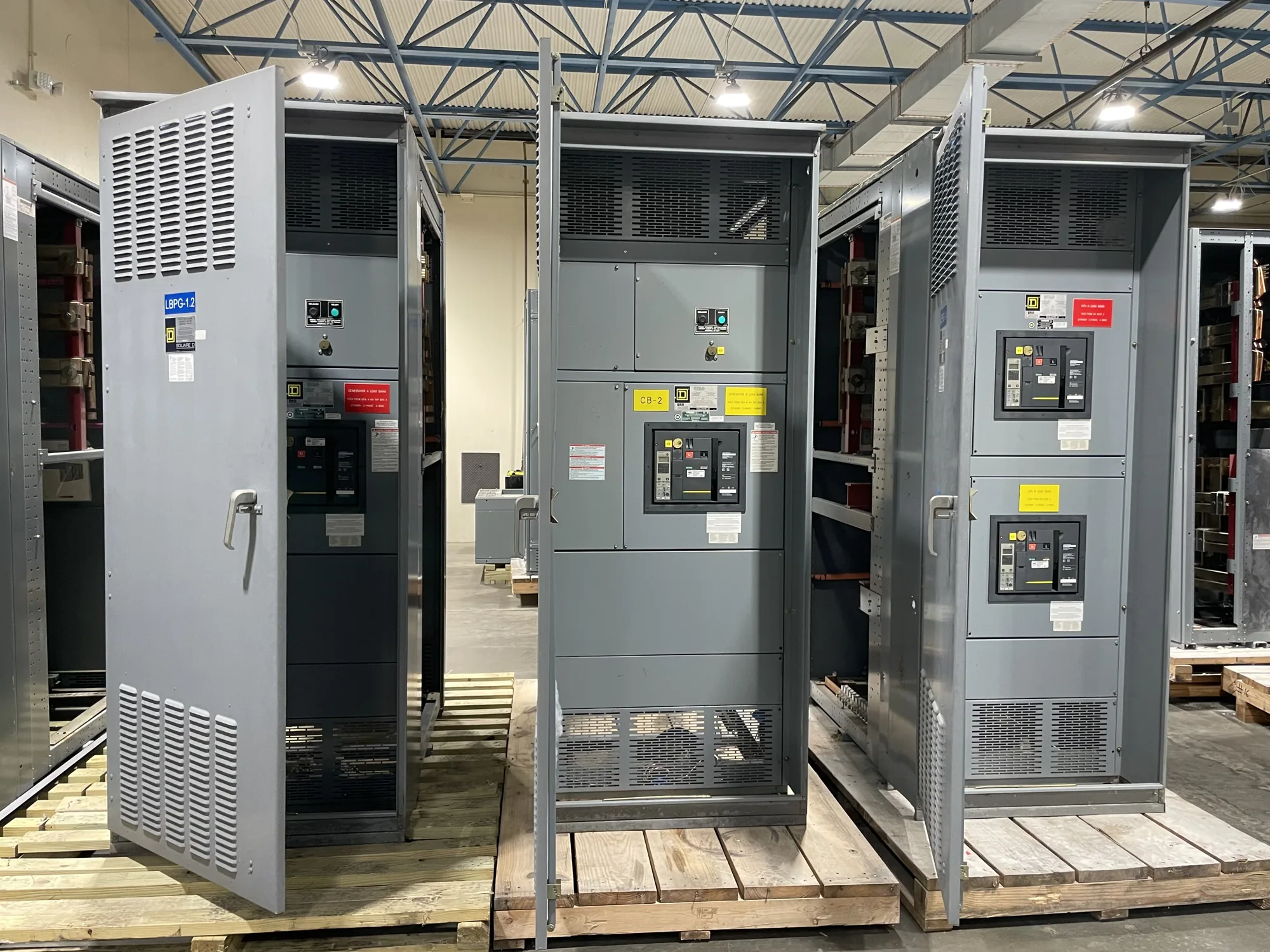
What electrical derating means
Derating is the adjustment of an equipment rating or allowable operating limit to account for specified conditions. In electrical distribution, those conditions may include the equipment’s operating environment, configuration, installation, or the requirements identified by its manufacturer or applicable design criteria. The term describes a change in the rating considered acceptable for a particular application; it is not a rating by itself.
The basis matters. A derating factor or revised limit should come from the applicable equipment documentation, engineering analysis, or project requirement—not an assumed rule applied to every assembly. The responsible engineer should identify what condition prompts the adjustment, which component or rating it affects, and how the resulting limit is used in the design.
Why ratings and operating conditions matter
Electrical equipment is selected by comparing expected operating conditions and loads with the ratings of the relevant components and assembly. Continuous current rating, for example, concerns current carried under specified conditions over time. Derating may affect how a rating is applied when documented conditions differ from the basis on which that rating was established. It does not automatically mean that every component in an assembly receives the same adjustment.
Temperature is one condition that may need review, but it should not be treated as a stand-alone formula. The equipment design, component instructions, enclosure, installation arrangement, and project requirements may all be relevant. Confirm the specific conditions and limits with the design documents and supplier. Do not infer an allowable current from a general temperature statement or apply an unrelated component’s adjustment to the complete assembly.
Applying the concept to low-voltage switchgear
Consider a conceptual project specifying new low-voltage switchgear for a building distribution system. The engineer begins with the expected load and its operating profile, then reviews the required assembly and component ratings. If the project conditions call for a rating adjustment, the engineer documents its basis and checks whether the selected equipment can meet the resulting design requirement. This example is illustrative; it assigns no rating or adjustment factor.
Review the assembly as a coordinated system. Bus ratings, protective-device ratings, connection details, and enclosure conditions are not interchangeable values. A device’s rating does not by itself establish the allowable current of the complete switchgear assembly, and a bus rating alone does not establish suitability for every installation condition. The applicable equipment documentation and project specification should resolve how each rating is defined and applied.
Common misunderstandings and related terms
Derating is often confused with load calculation, oversizing, or a change in the equipment’s nameplate rating. These are not necessarily the same. A project may require equipment selected with adequate capacity without formally applying a derating factor; conversely, a specified adjustment may reduce the allowable operating limit used in a design comparison. Keep the original rating, the adjustment basis, and the resulting design limit distinct in calculations and submittals.
Continuous current rating is a related term, not a synonym for derating. Protective devices and protective relays are also related but serve different roles in system design and operation. A relay’s settings or function do not, on their own, establish a switchgear bus rating or remove the need to account for specified operating conditions. The project engineer should coordinate load assumptions, protection, and equipment selection.
Questions to resolve before ordering
- Which condition requires a rating adjustment, and what document or engineering basis defines it?
- Does the adjustment apply to a component, the assembly, or a specific operating limit?
- What continuous load and operating profile should the equipment support?
- Which enclosure, installation, and ambient conditions must the supplier evaluate?
- How will ratings and any required adjustment appear in the equipment specification and submittal?
Provide the manufacturer with the one-line diagram, load information, required voltage class, protective-device details, installation conditions, and applicable project specifications. Identify assumptions that remain subject to engineering review. For new custom equipment, configuration, ratings, listing applicability, testing, availability, and delivery timing must be confirmed against the actual design and order. South Carolina Switchgear Builders manufactures new equipment to specification, with nationwide shipping; availability and lead times depend on the order.
From definition to equipment specification
This glossary entry explains the meaning of derating; it does not replace a project-specific calculation or equipment specification. When preparing a purchase specification, record the required ratings, operating conditions, and any adjustment with its source, then ask the responsible engineer and manufacturer to confirm how those requirements apply to the proposed assembly. Clear documentation helps prevent a component-level assumption from being mistaken for an assembly requirement.
For a new low-voltage switchgear project, use the term as a prompt to verify—not guess at—the allowable operating limits. Confirm the final design against the equipment documentation and project requirements before procurement and installation. Installation, testing, and maintenance should be performed by qualified personnel under applicable safety procedures.