What a motor starter means
A motor starter is an assembly or arrangement of electrical devices used to start and control a motor and provide protection as designed. Depending on the application, it may include a switching device, overload protection, control components, and associated wiring. The exact combination varies; the term alone does not specify a complete design, rating, or protective function.
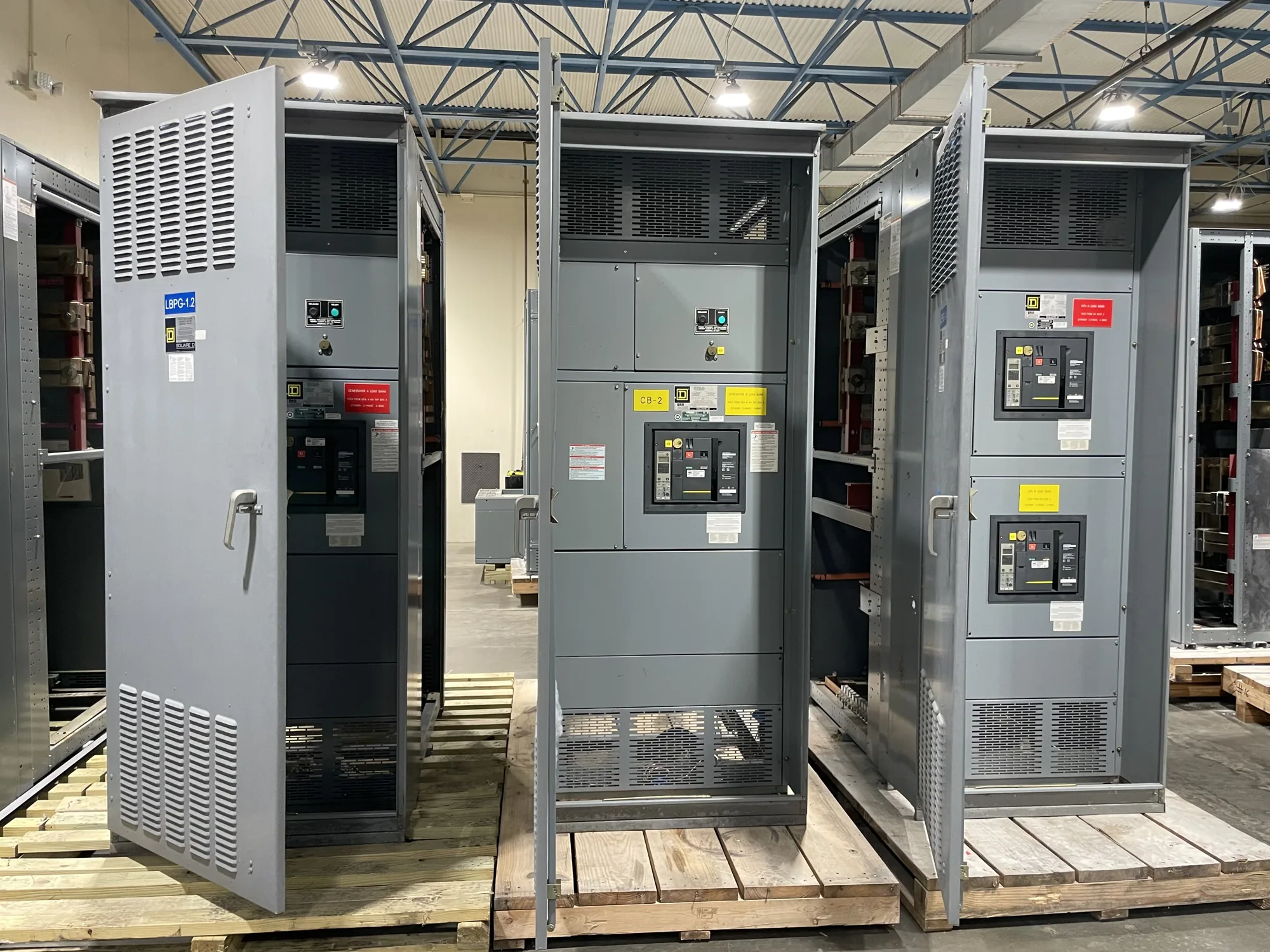
In electrical distribution, starters may be incorporated into equipment that supplies power to motor loads. A low-voltage switchgear or switchboard project may include feeder provisions or motor-control arrangements, depending on its scope. These terms are related but not interchangeable: a motor starter serves a motor circuit, while switchgear or a switchboard distributes and controls power across a broader system.
Starter, controller, and drive: useful distinctions
A starter is commonly discussed in terms of how a motor is switched on and protected. A motor controller is the equipment or arrangement responsible for controlling motor operation; in some contexts, the words overlap. The project documents should identify the intended functions rather than rely on a label, particularly when a design includes interlocks, remote commands, or multiple operating modes.
A variable-frequency drive (VFD) controls motor speed by varying the electrical supply frequency and voltage as designed. A starter may instead connect a motor to its supply using a specified starting method, without providing continuous speed adjustment. A VFD installation can include switching and protective components, but a drive should not automatically be treated as a substitute for every starter function. Confirm the control and protection scheme with the responsible engineer.
How motor data affects equipment selection
Motor nameplate and application data help establish the circuit requirements. Relevant information can include motor voltage, phase, full-load current, starting method, duty, operating environment, and the load's starting and running behavior. The design team uses those details to evaluate the starter and its components alongside feeder conductors, protective devices, and the upstream distribution equipment. A starter name or horsepower description alone is not enough to establish compatibility.
Continuous-current ratings matter at more than one point in the system. The motor circuit's expected current must be considered with the ratings of the starter components, feeder, bus, and associated equipment, as applicable to the design. These ratings describe different parts of an electrical assembly and should not be treated as interchangeable. The specified operating conditions may also affect selection; ask the engineer to assess ambient temperature, enclosure conditions, grouping, and any applicable derating.
Illustrative low-voltage distribution example
Consider a project that plans to distribute power to several motors from new low-voltage equipment. This example assumes only that the loads are motors; it does not imply a particular voltage, current, starting method, rating, or equipment configuration. The engineer first needs the motor and application data, then determines how each load is controlled and protected and how its feeder connects to the distribution assembly.
That review can reveal practical tradeoffs. A starting method may affect the electrical system during startup, while a drive may be appropriate where speed control is required. Space, heat, operating sequence, maintenance access, and coordination with upstream protection may also shape the arrangement. The buyer should have the project engineer confirm these factors against the actual design rather than infer a solution from the phrase “motor starter.”
Common misunderstandings to avoid
A starter does not, by its name alone, guarantee protection against every fault or operating condition. Protection functions depend on the selected devices, settings, coordination, and application. Likewise, continuous current rating is not the same as starting current, motor horsepower, or a complete assembly rating. Ask which component or assembly a stated rating applies to and what conditions govern its use.
Another frequent misunderstanding is to treat low-voltage switchgear, switchboards, motor-control equipment, and starters as synonyms. They describe different equipment or functions, even when combined within one project. The project specification should make clear what equipment is being supplied, which motor circuits are included, and how responsibility is divided among the equipment manufacturer, engineer, installer, and other parties.
Questions to resolve before ordering
- What are the motor nameplate details, load characteristics, and intended starting and operating modes?
- Which control and protection functions are required, and who is responsible for defining them?
- How do feeder, device, and bus current ratings relate to the actual load and stated operating conditions?
- What enclosure, environmental, space, and connection requirements apply to the installation?
- How should the starter or motor-control arrangement interface with the new distribution equipment and project control system?
- Which project-specific ratings, standards, listing, tests, and delivery requirements must be confirmed for the proposed assembly?
From definition to project specification
For a new equipment inquiry, provide the one-line diagram if available, motor schedules, load data, control narrative, site conditions, and the required equipment scope. Identify uncertainties instead of assuming a standard arrangement. The manufacturer and project engineer can then review how the requested motor circuits fit the proposed distribution equipment and what details must be resolved before configuration is finalized.
This glossary definition explains the term; it is not a substitute for a project specification or engineering review. Actual configurations, ratings, availability, delivery timing, and applicable standards must be confirmed for the equipment being supplied. Installation, testing, and maintenance should be performed by qualified personnel following applicable safety procedures. Clear motor data and a defined control scope give the project team a sound basis for selecting new equipment.