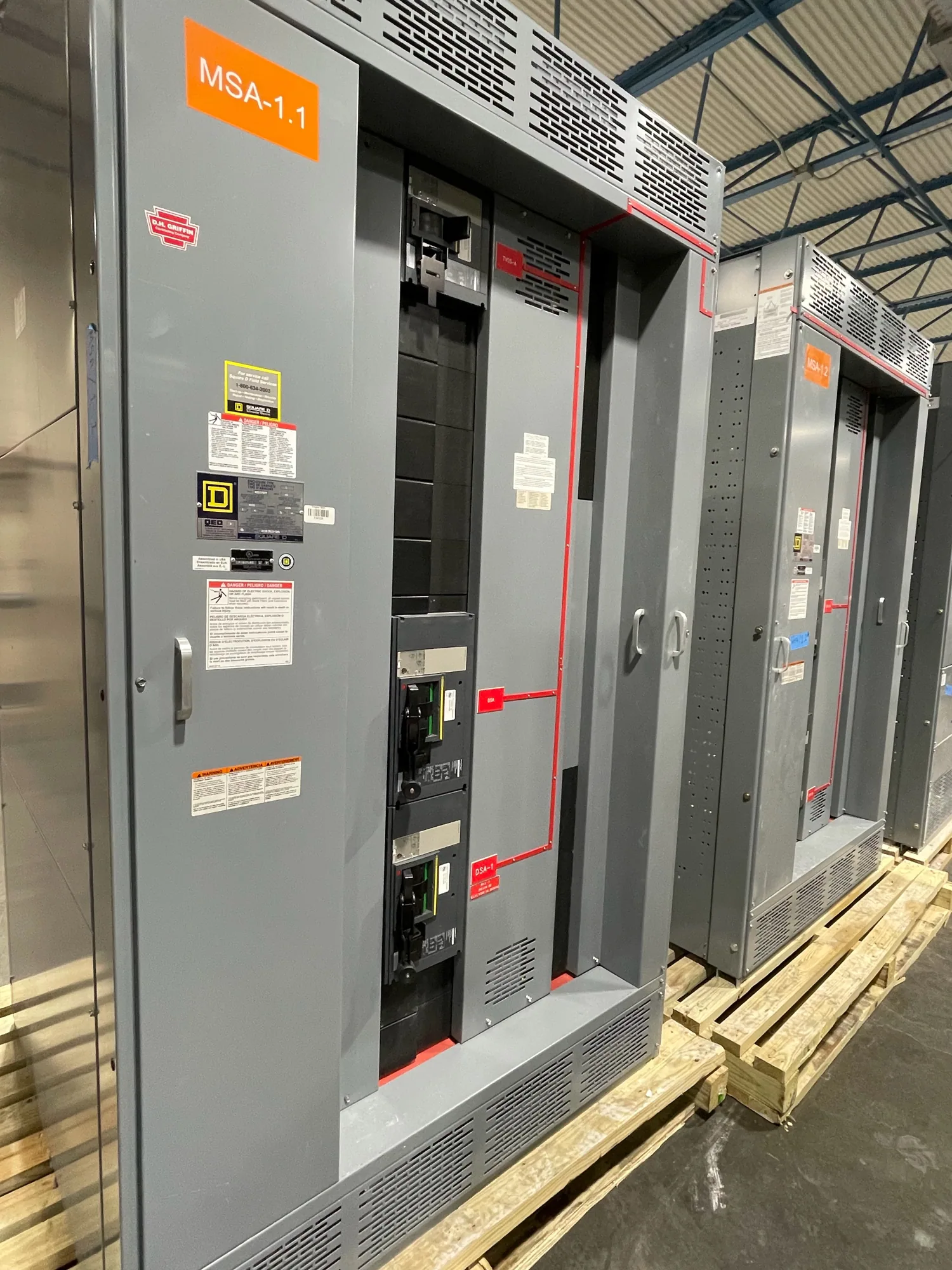
What insulation level means
Insulation level is the insulation capability assigned to electrical equipment under an applicable rating standard. It describes the electrical stresses the insulation system is designed to withstand, using the criteria and test methods associated with that standard and equipment type. The term helps engineers assess whether insulation is appropriate for the intended system; it does not, by itself, state the equipment’s operating voltage or prove that a particular assembly is suitable.
Insulation separates conductors from one another and from grounded or accessible parts. Its performance matters during normal operation and when electrical stress rises because of switching or other system conditions. The specific withstand requirements, test basis, and terminology depend on the product class and governing standard. For a real project, the responsible engineer should identify the applicable standard and confirm the manufacturer’s documentation for the exact equipment configuration.
How it relates to voltage ratings
A system’s nominal voltage is not the same thing as an equipment voltage rating, and neither term alone completely describes insulation capability. Equipment documentation may identify a rated voltage or maximum voltage, along with insulation-related withstand values defined by the applicable standard. Those values must be read together, not treated as interchangeable labels. The engineer must confirm that the equipment rating and insulation design suit the system conditions and intended application.
System grounding, configuration, and exposure to switching or transient stresses can affect the insulation requirements selected for a design. Environmental conditions and installation details may also matter, depending on equipment and standard. A voltage figure copied from a single-line drawing is therefore not enough to establish suitability. The project team should reconcile the system data, equipment schedule, and proposed manufacturer documentation before approving a design.
Low-voltage switchgear context
In a 480 V class low-voltage switchgear project, insulation level is one part of the equipment’s electrical design, not a substitute for the full rating schedule. The buyer and engineer should verify the specified system voltage, equipment ratings, fault-current and protective-device requirements, configuration, and applicable construction standard as separate items. Each requirement answers a different question; a suitable insulation capability does not establish interrupting performance, continuous-current capacity, or assembly listing.
For low-voltage switchboards, UL 891 may apply to eligible designs, but applicability and the listing of a particular assembly must be confirmed for that design. Do not assume that a term used for one equipment class or standard transfers unchanged to another. A project involving medium-voltage switchgear has a different equipment context, and its insulation terminology and requirements must be evaluated under the standards applicable to that equipment—not inferred from a low-voltage example.
Conceptual example and common misunderstandings
Consider a project team planning new 480 V class switchgear. The stated 480 V identifies the project’s low-voltage class, but it does not independently define every required insulation characteristic. The engineer still needs to establish system conditions and applicable equipment requirements, then evaluate the manufacturer’s proposed ratings and documentation. This is a conceptual example only; it does not specify a complete design or assign any particular withstand value.
A frequent misunderstanding is to treat insulation level as a synonym for nominal voltage, or as a single universal number that can be compared without regard to equipment type and standard. Another is to assume that higher insulation capability automatically makes equipment appropriate for a project. Selection must consider the complete specification, including operating and fault duties, protective coordination, physical arrangement, and environmental conditions where relevant. Qualified project professionals should resolve these requirements from the actual system design.
Information to provide when specifying equipment
When requesting a manufacturer proposal, provide the system one-line diagram and clearly identified nominal voltage, grounding method, and system configuration. Include the equipment class, intended application, required ratings, fault-current information, protection scheme, and any applicable project or owner standards. Identify installation conditions that could affect the design, such as indoor or outdoor use and relevant environmental constraints. If details are preliminary, label them as assumptions so they are not mistaken for approved requirements.
Ask the project engineer which standard governs the equipment and what insulation-related values or documentation the specification requires. Ask the supplier to identify the proposed equipment ratings and explain how they correspond to the provided system data. Confirm whether the requested construction, testing, and listing requirements apply to the specific assembly. Those questions support a useful technical review without treating a glossary definition as a substitute for the project’s formal equipment specification.
Reviewing the requirement with the project team
Before equipment is released for manufacture, compare the approved submittal with the project’s one-line diagram, schedules, and specification. Resolve conflicts in voltage terminology, ratings, or standard references in writing, with the engineer responsible for the design. For custom equipment, complete and consistent source information helps the manufacturer assess the requested configuration. Availability and actual lead times depend on the order and should be confirmed during project coordination.
Insulation level is best understood as a standards-based description of insulation capability within a larger equipment rating and system-design review. It does not stand alone as proof of compatibility. Engineers and buyers who verify the applicable standard, system conditions, and equipment documentation can make the term useful in procurement decisions while keeping voltage rating, current rating, and other performance requirements distinct.