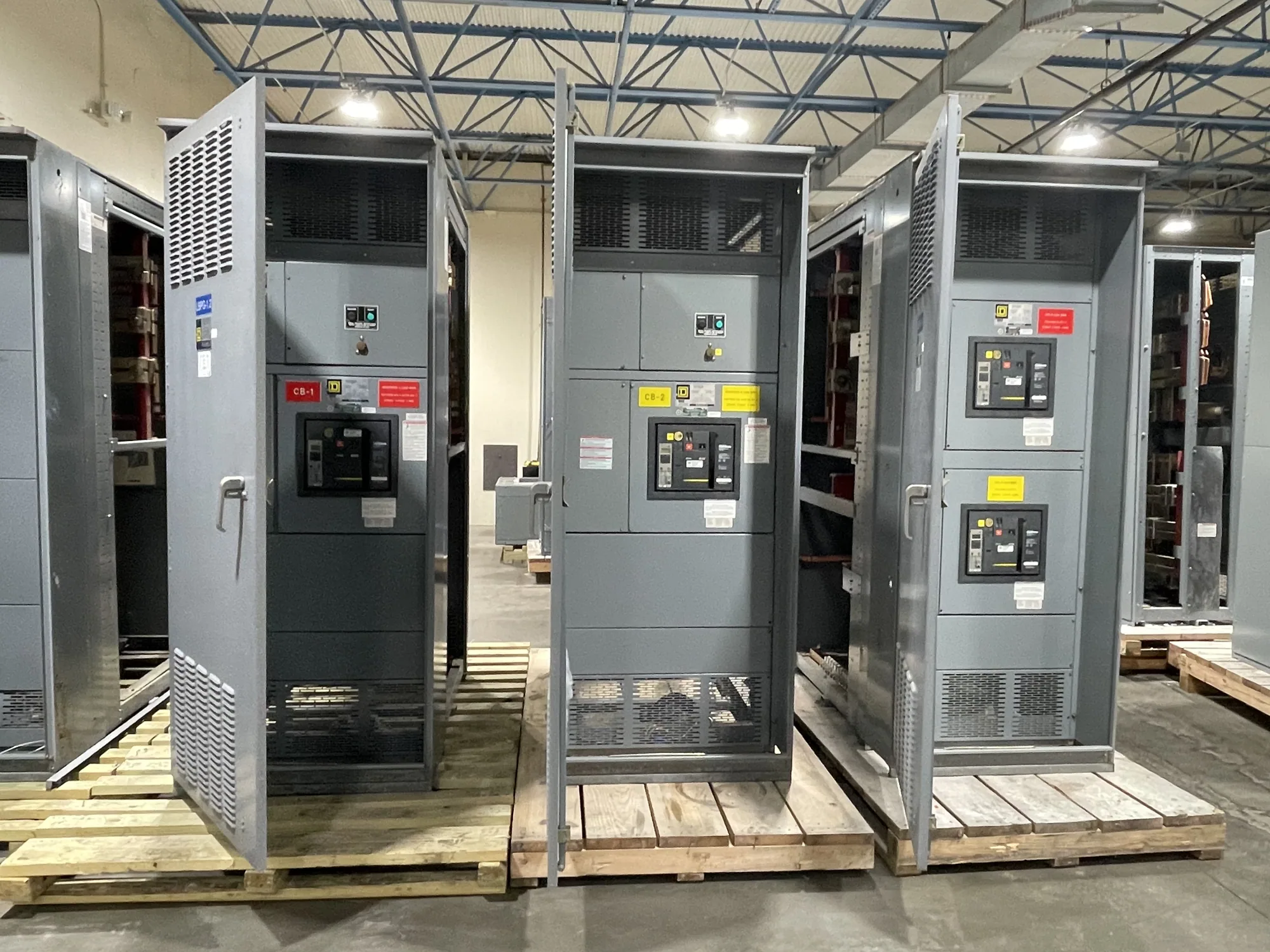
What a coordination study evaluates
A protective device coordination study is an engineering analysis of protective-device response and settings across an electrical distribution system. It considers how devices such as circuit breakers, fuses, and relays are expected to operate for specified fault conditions, and whether their time-current behavior supports the project’s intended protection strategy. The study is specific to the system configuration and equipment data supplied for analysis.
Rather than describing a piece of switchgear, the term names an engineering deliverable or analysis process. A study may use time-current curves to compare upstream and downstream devices, identify overlaps or gaps, and assess whether a fault can be isolated with the intended selectivity. The responsible engineer determines the study’s scope, assumptions, criteria, and required documentation.
Why device coordination matters
Protective devices serve different parts of a distribution system, from branch circuits to main feeders and service equipment. Coordination examines their relative operating behavior so that a fault in one area may be cleared by the device assigned to protect that area, where the design and device characteristics permit. The goal is not simply to make every device operate as quickly as possible; settings must also address equipment protection and the project’s other requirements.
Selective coordination is a related design objective: under specified conditions, the protective device nearest a fault operates while upstream devices remain closed. Whether that objective is required, and over what range of fault current, depends on the application and governing project criteria. A coordination study can help evaluate the objective, but it does not by itself guarantee selectivity or establish that a particular installation meets every applicable requirement.
How the analysis informs low-voltage switchgear
For a new low-voltage switchgear project, coordination information can influence the protective devices and settings specified for the assembly and connected distribution system. Engineers need to consider the intended system arrangement, device characteristics, available fault-current information, and downstream equipment. A switchgear supplier needs a sufficiently defined specification to configure equipment for the project; the engineering study remains dependent on complete, project-specific system data.
Low-voltage switchgear is one part of the electrical system being analyzed, not a substitute for the analysis itself. The study may include devices outside the switchgear lineup, such as upstream or downstream protective equipment, when those devices affect coordination. Equipment configuration, ratings, device options, and any applicable listing or standards must be confirmed for the actual design rather than inferred from the term “coordination study.”
Conceptual example and common misunderstandings
Consider an illustrative system with a feeder breaker in a switchgear lineup and a downstream branch-circuit protective device. Assume the engineer is evaluating a fault on that branch and has reliable device curves and system data. The study compares the devices’ time-current response to see whether the downstream device is expected to clear the fault before the feeder breaker operates. No particular rating or outcome can be assumed without the actual data.
A curve comparison is not a promise that a device will always trip in a particular sequence under every possible condition. Device tolerances, settings, fault-current values, system changes, and the study’s defined limits all matter. Nor is a coordination study interchangeable with a short-circuit study: short-circuit analysis evaluates fault-current conditions, while coordination analysis evaluates protective-device response using relevant system and device information. The studies may inform one another.
Information engineers need to define scope
Useful inputs include a current one-line diagram, system voltage and configuration, utility or source information as established for the project, transformer data where applicable, conductor details, and available fault-current study results. Provide manufacturer and model information for existing or specified protective devices, including trip-unit or relay functions and settings when known. Flag proposed changes, operating configurations, and loads or circuits with specific coordination requirements.
Ask the responsible engineer which devices and operating modes are included, what fault-current range and selectivity criteria will be evaluated, and whether recommendations for settings or equipment changes are part of the deliverable. Clarify how missing data will be handled and which assumptions require confirmation. If the project scope changes, determine whether the analysis and equipment specification need revision before procurement or installation proceeds.
Using the study during equipment planning
For a new switchgear order, share the study scope and relevant conclusions with the equipment manufacturer early enough to resolve device and configuration questions. South Carolina Switchgear Builders manufactures new equipment to specification, is US-built with all-American components, and ships nationwide. Availability and actual lead times depend on the order and must be confirmed; the project team should coordinate submittal review, required device data, and delivery expectations directly.
Use the study as a coordinated engineering input, not as a replacement for equipment documentation, installation planning, or field procedures. Qualified personnel must handle installation, testing, and maintenance under applicable safety procedures. For a fuller treatment of how to specify selective coordination, consult the project’s corresponding specification guidance and have the engineer of record confirm how its criteria apply to the actual distribution design.