What “shipping split” means
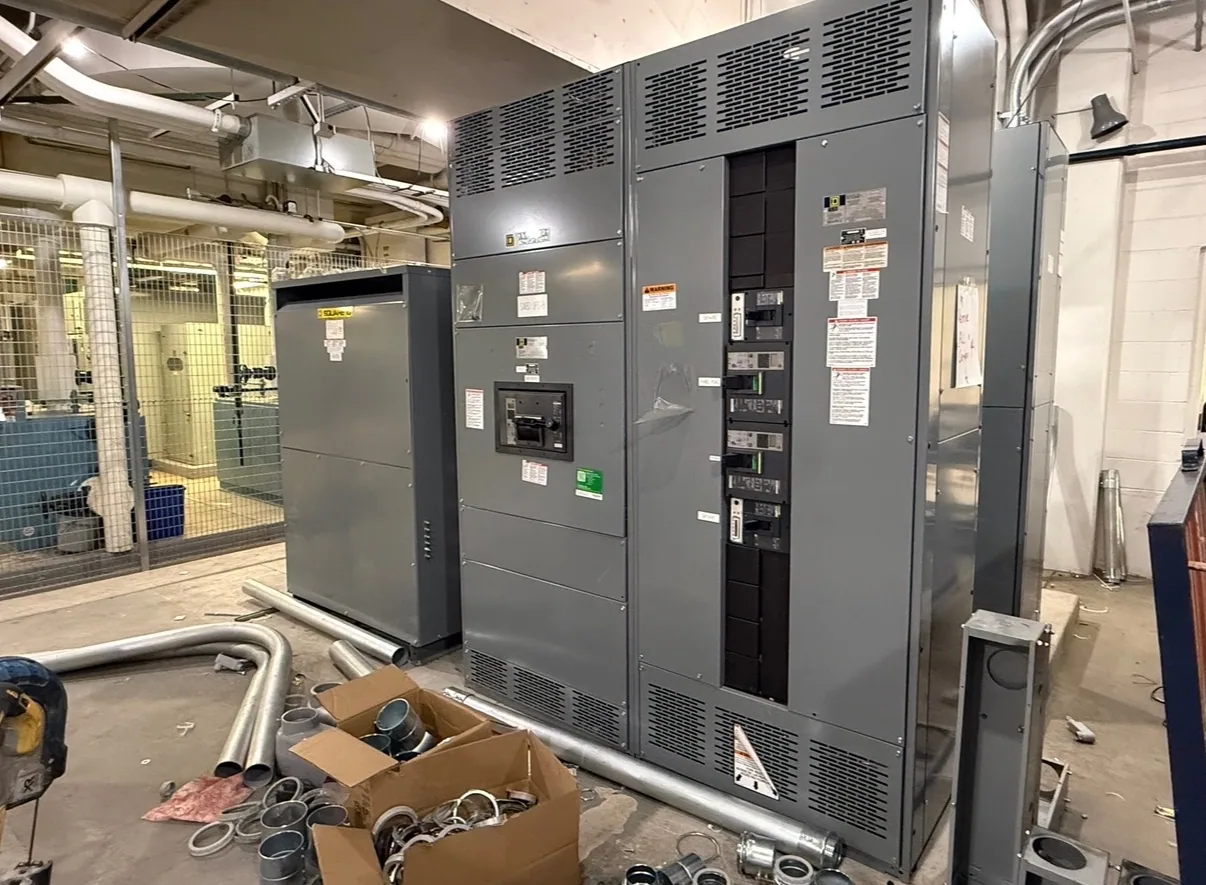
A shipping split is a planned division of an electrical equipment lineup into separate sections so the sections can be transported and handled within project constraints. The term describes the physical segmentation of the lineup for shipment; it does not, by itself, describe an electrical division, a protection scheme, or a change in the equipment’s intended function. After delivery, the sections are positioned and joined as specified for the equipment design.
For a new switchgear or switchboard project, the split is a coordination decision between equipment design, transportation, building access, and installation. It can determine how the lineup passes through doors, corridors, freight elevators, loading areas, or other constrained routes. It also affects the work required to reassemble sections at the destination. A shipping split should therefore be defined early enough to inform both equipment drawings and the site’s delivery and installation plan.
Why the split matters to site planning
A lineup that fits the electrical room may still be difficult to deliver there. Buyers and project teams should compare section dimensions and handling requirements with the complete route from the delivery point to the final location. Consider doorway and corridor clearances, turns, overhead obstructions, floor capacity, lifting access, and the equipment needed for movement. Confirm which party is responsible for receiving, unloading, moving, and setting each section.
Site conditions can influence enclosure and installation decisions, but they should not be confused with the shipping split itself. Temperature, humidity, salt exposure, altitude, water exposure, and maintenance clearances may affect the equipment specification or installation arrangement. Provide the responsible engineer and supplier with actual project conditions and applicable design criteria. Do not assume that dividing a lineup into smaller sections resolves an environmental concern or makes a route suitable for transport.
Medium-voltage example and design tradeoffs
Consider a conceptual medium-voltage switchgear lineup planned for an electrical room with a restricted entrance. Assume the project team determines that the complete lineup cannot pass through the available route as one shipment. The equipment supplier and project engineer can evaluate dividing the lineup into transportable sections, then coordinate the section boundaries with the specified arrangement and the work required at the site. No section size or electrical rating can be inferred without the actual design.
A split that improves handling may require more field coordination than shipping a lineup in fewer, larger sections. Conversely, larger sections can create transport, lifting, or access challenges. The chosen arrangement must preserve the equipment design and account for connections and assembly details established for that specific lineup. Confirm the required field work, joining instructions, access for qualified installation personnel, and any inspection or testing responsibilities before approving the arrangement.
Information to provide before design is finalized
Share the equipment type, intended application, required lineup arrangement, and project drawings available at the time of inquiry. Provide the delivery location’s access dimensions, route constraints, unloading resources, lifting limitations, floor information, and planned equipment-room location. Identify schedule milestones and any restrictions on delivery timing, staging, or storage. If the route or building details are still being developed, state what remains uncertain rather than treating preliminary dimensions as verified.
Ask the supplier to identify proposed shipping sections on the equipment layout and clarify the basis for the division. Confirm section dimensions and weights when available, handling points, shipment configuration, and the scope of field assembly. Establish who will review the route, receive the shipment, provide lifting equipment, and perform installation. Availability and actual lead times depend on the order and must be confirmed; coordinate the required shipping arrangement with the project schedule rather than relying on an assumed delivery window.
Common misunderstandings and related terms
A shipping split does not mean that the lineup is electrically split into independent systems, nor does the phrase specify a particular number of sections. It is also not a substitute for confirming shipping dimensions, handling methods, site access, or field assembly requirements. The split is specific to the equipment and project: two lineups serving similar applications may need different shipment arrangements because their configurations and delivery routes differ.
For medium-voltage switchgear, the equipment’s voltage class and configuration remain matters of the project specification; the shipping division does not determine them. Likewise, protective-device coordination is a separate engineering study, not a shipping arrangement. Environmental and site conditions are another related but distinct specification topic. Keeping these concepts separate helps the team avoid treating a transport decision as proof of electrical suitability, environmental capability, or completed coordination.
Project review before shipment
Before approving drawings, ask: Does every proposed section fit the verified delivery route? Are receiving, unloading, staging, and movement responsibilities assigned? Is the planned field assembly practical for the site and the qualified personnel performing the work? Have environmental conditions, maintenance access, and room layout been reviewed independently of transport constraints? Are dimensions, weights, shipment details, and required delivery dates confirmed for this order?
Resolve open questions with the project engineer and equipment supplier before the lineup is released for manufacture or shipment. A clear shipping split connects the equipment design to the realities of transport and installation without changing the electrical intent of the lineup. When the split, access plan, responsibilities, and site conditions are coordinated, the project team can plan delivery and installation around the actual equipment configuration rather than assumptions.